Meghan Markle’s journey from American actress to British royalty has been anything but smooth. Since joining the royal family, she has faced relentless scrutiny and attacks, which have not only impacted her mental health but also highlighted broader societal issues. Her story is one of resilience, resistance, and an enduring question: Why does Meghan Markle evoke such polarized reactions?
A Historic Move into the Royal Family
Meghan’s transition into the British royal family was monumental. As a biracial Black woman, her presence in one of the world’s oldest and whitest institutions signified a major cultural shift. For many, especially Black communities in Britain and America, her marriage to Prince Harry symbolized a crack in the glass ceiling of an institution steeped in white superiority and exclusivity.
However, her identity as a biracial woman also placed her under an unforgiving spotlight. Meghan herself admitted that race wasn’t a focal point in her life growing up in America, as she didn’t experience overt racism in her formative years. But all of that changed when she entered the royal family. Her Blackness became a central issue for critics who were not prepared to see her as an equal within a historically white space.
Thinly Veiled Excuses for Criticism
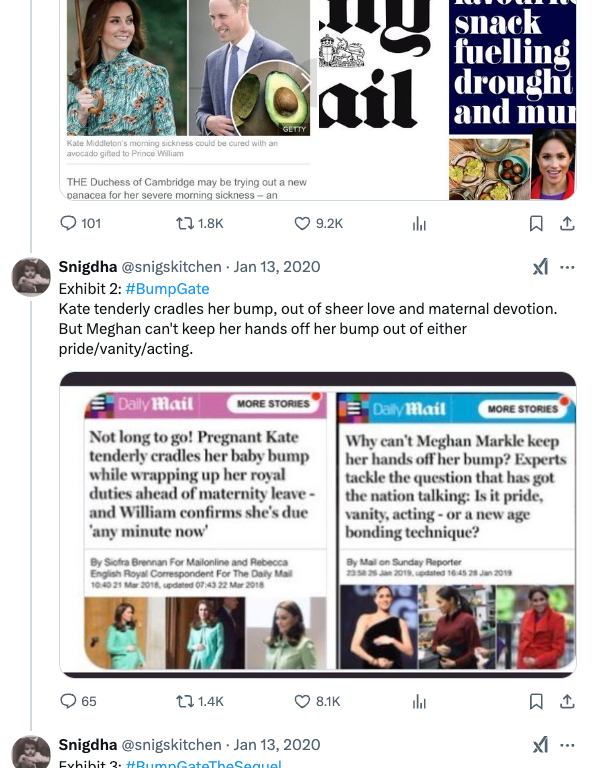
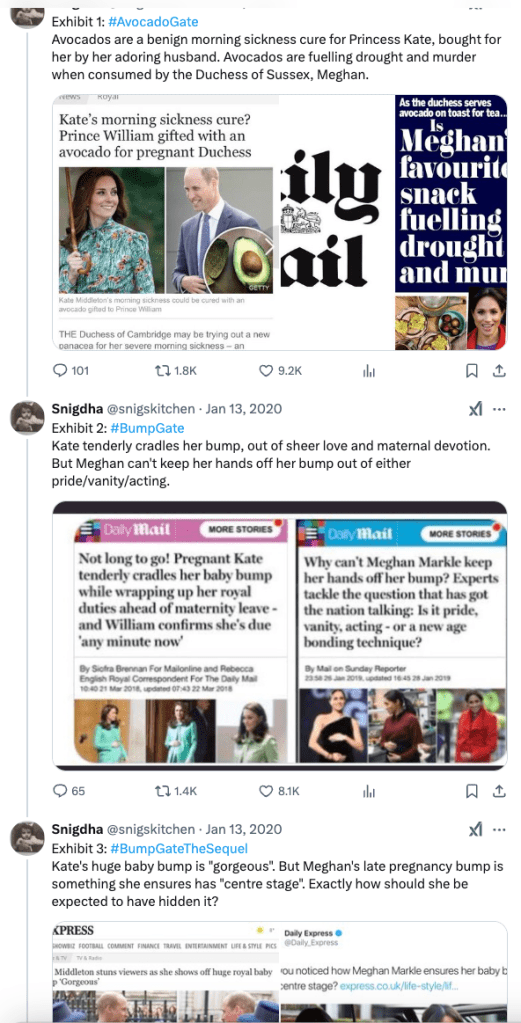
The criticism Meghan has faced often comes disguised in trivial grievances. She has been lambasted for holding her husband’s hand at royal events, crying at somber ceremonies, or breaking royal fashion rules. These complaints, however, appear to be more about finding socially acceptable reasons to criticize her rather than addressing the real issue at hand—her race and refusal to conform to traditional expectations.
Many argue that Meghan’s detractors resent her for defying the unspoken rules of British aristocracy. Her existence challenges the long-standing racial and social exclusivity of the monarchy, and for some, that is deeply uncomfortable.
The Unspoken Resentment: Meghan’s “Soft Life”
Underlying much of the criticism is a belief that Meghan doesn’t “deserve” the life of privilege and protection that comes with her royal status. Historically, Black women have been denied the luxury of a “soft life,” often expected to endure hardship without complaint. Meghan disrupts this narrative by unapologetically living a life of comfort and privilege, which some critics find intolerable.
This resentment isn’t just about Meghan’s actions but her very existence in a space traditionally reserved for white individuals. Her refusal to conform to the archetype of the “strong Black woman” who shoulders endless burdens only amplifies the animosity.
Comparisons to Princess Diana
A significant portion of the criticism Meghan faces stems from her connection to Princess Diana, Harry’s late mother and one of the most beloved royals in history. Diana was celebrated for her grace, compassion, and humanity, often portrayed as the perfect embodiment of feminine virtue. Meghan, in contrast, is vilified for prioritizing her mental health and leaving the royal family to protect herself and her family from relentless abuse.
The comparisons between Meghan and Diana also reveal a racial double standard. While Diana’s vulnerability and humanity were venerated, Meghan’s similar qualities are dismissed or weaponized against her. Meghan’s Blackness ensures she will never be seen as equally graceful or deserving in the eyes of those who idealize whiteness.
Silence from the Royal Family
One of the most telling aspects of Meghan’s story is the royal family’s lack of public support in the face of racism and abuse. When Prince William condemned racist abuse against Black soccer players, his words were seen as important and timely. However, his silence on the attacks against Meghan spoke volumes. The royal family’s refusal to defend Meghan has been interpreted as tacit approval of the criticism, further fueling the media frenzy.
Meanwhile, other scandals involving members of the royal family, such as Prince Andrew’s association with Jeffrey Epstein, have been largely downplayed. Meghan has become a convenient scapegoat, diverting attention from the institution’s more egregious issues.
Meghan Matters
Despite the relentless criticism, Meghan is celebrated by many, particularly within Black communities, for what she represents. Her presence in the royal family was a groundbreaking moment, challenging the narrative of white superiority and offering representation for those who have long been excluded from such spaces.
For young Black girls, Meghan’s story is a source of inspiration. Her courage to walk away from a toxic environment and live unapologetically in her truth resonates deeply. She embodies resistance against systems of exclusion and a reminder that change, though challenging, is possible.
A Symbol of Progress and Polarization
Meghan Markle’s story is about more than just a woman who married into royalty. It’s about the intersection of race, privilege, and tradition in a modern world. To her critics, she represents a threat to the status quo. To her supporters, she is a symbol of strength, progress, and the audacity to demand better.
In the end, Meghan Markle matters because she challenges deeply ingrained systems of power and privilege. Whether loved or hated, her impact cannot be ignored. She stands as a reminder that even the most exclusive institutions must confront the realities of a changing world.
 celebchai.com
One thought on “Meghan Markle: A Symbol of Progress or a Threat to Tradition?”