
Meghan Markle and the Royal Family: A Modern Controversy Rooted in Race, Class, and Power
Few figures in modern public life have been as polarizing as Meghan Markle. From the moment she entered the British royal family, she has faced intense scrutiny, wildly varying narratives, and an ongoing media firestorm that continues to shape public perception. But when we break it all down, the controversy surrounding Meghan Markle isn’t really about her as an individual—it’s about race, class, social hierarchy, and power in an institution that has long thrived on tradition and exclusivity.
The hostility towards Meghan can be traced to several key factors:
- She married into the British monarchy and bypassed its rigid class structure
- She was perceived as superior in intelligence, charisma, and work ethic to other royals, despite not having the birthright to be “better” than them
- She refused to conform to the traditional role expected of royal women and challenged the institution
- She is a biracial American woman, and for many, that alone was reason enough to reject her presence in the royal family
Meghan’s critics have tried to shape the narrative around her in multiple ways, attacking everything from her marriage to Prince Harry to her work ethic, personal relationships, and even her fashion choices. But when examined closely, much of the criticism is deeply rooted in racial, cultural, and gender biases that have long plagued powerful institutions.
A Royal Fairytale—or a Nightmare?
Meghan Markle was everything the British royal family was not. She was:
- A self-made woman, having built her career in Hollywood without family connections.
- Financially independent, reportedly wealthier than Prince Harry when they met.
- A vocal advocate for women’s rights, humanitarian work, and racial equality.
- An American outsider—meaning she wasn’t raised within the confines of Britain’s rigid class system.
For some, Meghan represented a fresh, modern perspective within a centuries-old institution. But for others, she was an unwelcome disruptor, someone who had not “earned” her place among British royalty.
Her Hollywood background, American confidence, and ability to connect with people were seen as threatening, especially in comparison to the traditional, reserved nature of the royal family. She quickly became the center of attention—appearing on magazine covers, fashion spreads, and global media in a way that overshadowed more senior royals like Prince William and Kate Middleton.
And in a rigid, hierarchical society like Britain, where everything is based on rank and birthright, this was unacceptable.
Weaponizing Meghan’s Image Against Her
The British tabloid press quickly crafted a villain narrative around Meghan, using racial undertones and classic misogynistic tropes to discredit her. They painted her as:
- A “gold digger” who married Prince Harry for status and wealth (despite being financially secure herself).
- A “Mean Girl” and a bully, despite numerous reports stating she was warm and kind to her staff.
- A “social climber”, even though she was already successful in her own right.
- A “promiscuous” woman, simply because she had dated before meeting Prince Harry—something male royals are never criticized for.
These baseless accusations served one purpose—to cast doubt on her character, erode her public support, and make her an object of ridicule.
In contrast, actual scandals within the royal family—such as Prince Andrew’s association with Jeffrey Epstein or King Charles’ extramarital affair with Camilla—were treated with far more discretion and leniency. The hypocrisy was blatant:
- A woman of color marrying into the royal family was seen as a problem.
- A literal association with a convicted sex offender? Swept under the rug.
The Media’s Role in the Smear Campaign
The British tabloid press, which has long had close ties to the royal family, had every incentive to turn Meghan into a villain.
- Scandals drive clicks, and Meghan’s name became a goldmine for tabloid profits.
- Negative press ensured that more traditional members of the royal family remained “safe” from scrutiny.
- The palace itself allegedly worked with the media to spread damaging stories about Meghan to protect other royals.
As Meghan later revealed, she was being actively isolated within the royal institution—a wall was built around her, cutting her off from real-world support. Even while she was suffering, she was being punished for existing.
Meanwhile, the royal correspondents and reporters attacking Meghan were often the same people who desperately wanted access to the royal family. The jealousy was palpable—many of these journalists had spent years trying to cozy up to the monarchy, only to watch an American actress waltz in and take center stage.
This media resentment only fueled the vitriol against her.
Meghan’s Mistake? Marrying Prince Harry
One could argue that Meghan’s biggest mistake was falling in love with Prince Harry.
- He came with baggage—his unresolved trauma from Princess Diana’s death, his complicated family dynamics, and his long-standing frustration with royal life.
- By marrying him, Meghan became a target—not just for the press, but for an institution that has historically protected its own at any cost.
- She underestimated the level of resistance she would face, both within the palace and from the British media.
The reality is, Meghan married down. She had a successful career, wealth, and status before she ever met Harry. Had she married a high-profile Hollywood producer, an entrepreneur, or an A-list actor, she would have continued thriving on her own terms.
Instead, she entered a centuries-old monarchy that was never going to accept her—not because she wasn’t worthy, but because she was simply different.
And difference is a threat to institutions built on rigid tradition.
The Backlash Against Meghan’s Success
Despite the relentless attacks, Meghan has continued to build a career outside the royal family. She and Harry have:
- Signed major deals with Netflix and Spotify
- Launched their own foundation, Archewell
- Continued philanthropic work, particularly around mental health and gender equality
- Explored new media ventures, including Meghan’s upcoming cooking show
However, every new project she announces is met with a flood of criticism—not based on its quality or content, but simply because it involves Meghan Markle.
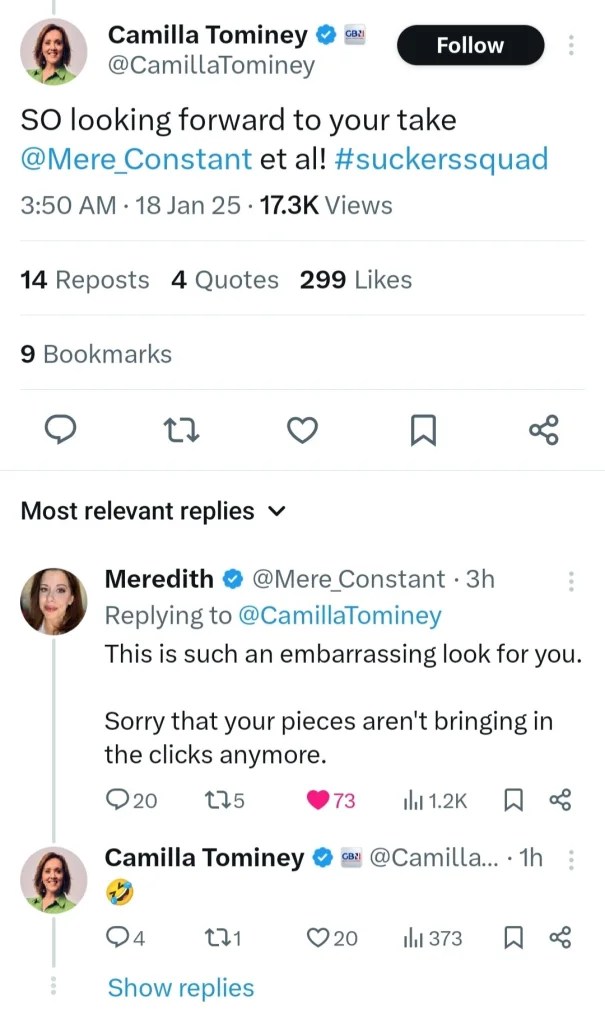
A prime example is the launch of her cooking show, which immediately became a target for mass trolling and media smear campaigns. The show hadn’t even aired, yet thousands of people were mobilized online to attack it, leave negative comments, and attempt to sabotage its success.
Why? Because her existence continues to enrage the people who want to see her fail.
Final Thoughts: The Royal Family’s Hypocrisy and Meghan’s Strength
At the end of the day, the British royal family is no stranger to scandal—but they have an entire system dedicated to covering up their misdeeds. Meanwhile, Meghan, a private citizen before she married Harry, was subjected to a level of media abuse that no other royal spouse has endured.
The royal family itself has a credibility issue—they have been caught manipulating the press, covering up misconduct, and even using fake photos to shape narratives.
Meanwhile, Meghan and Harry continue to get work and make progress toward their goals. Despite the relentless smear campaigns, they are still thriving, still building their careers, and still unapologetically themselves.
The people who claim that “the truth will come out” about Meghan never specify what “truth” they’re referring to. Meghan seems like a kind, driven person who married for love—but unfortunately, she married into an institution that was never going to accept her.
And since she and Harry are too far down the line of succession to actually matter—seriously, why does anyone care so much?
Perhaps it’s time for the world to move on.
 celebchai.com