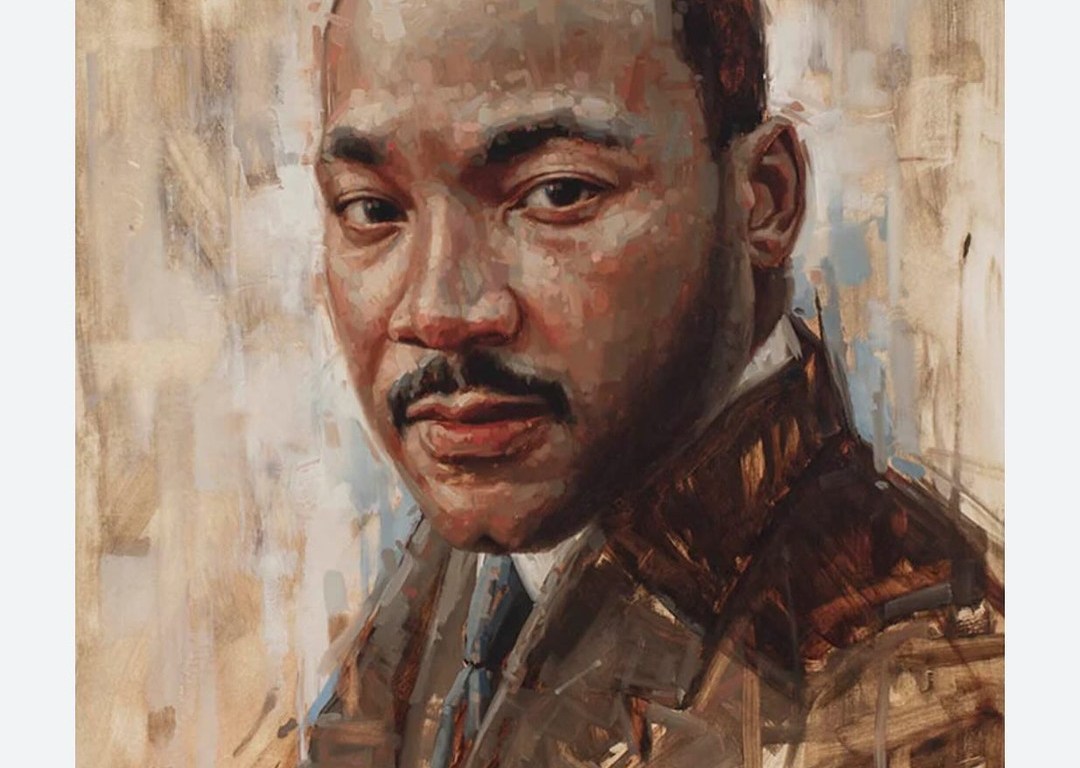
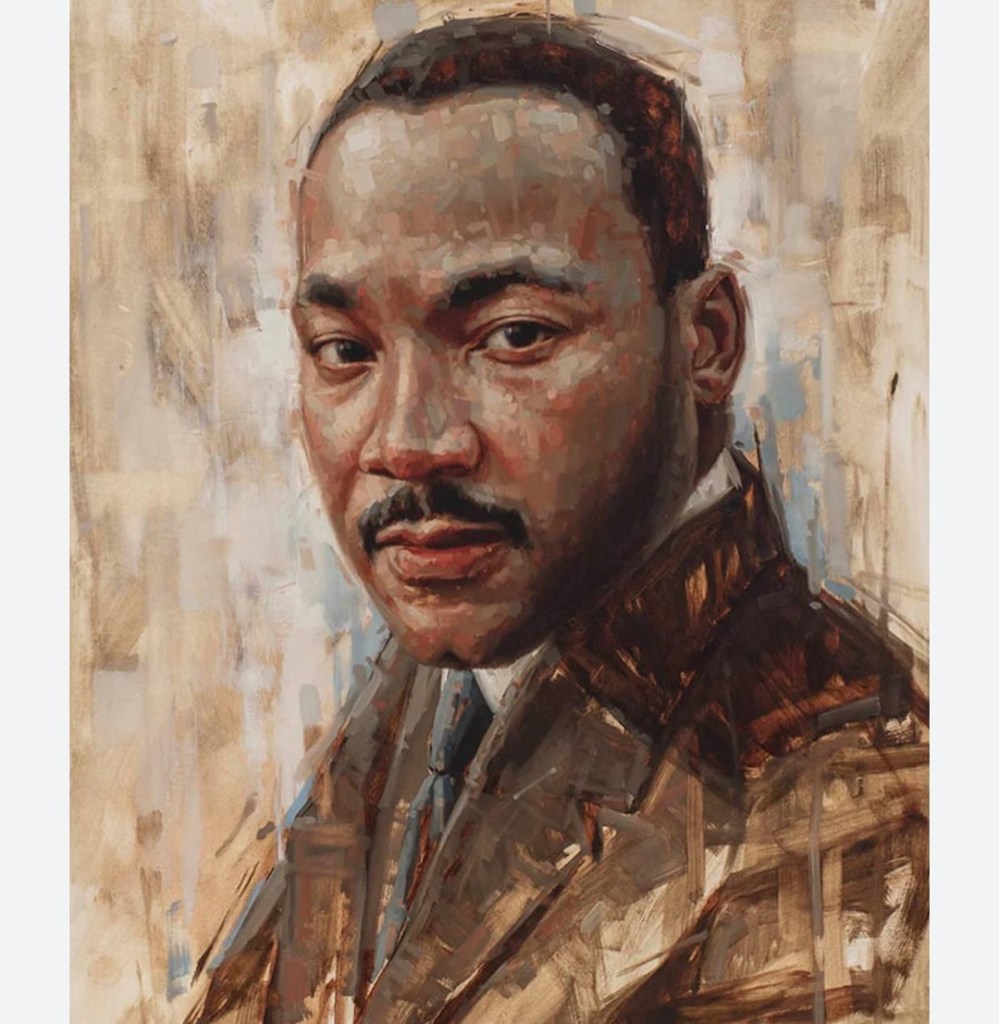
Martin Luther King Jr.: A Legacy of Justice, Equality, and Nonviolence
Dr. Martin Luther King Jr. (1929–1968) was a Baptist minister, civil rights leader, and Nobel Peace Prize laureate whose vision of racial justice and nonviolent resistance transformed America. He played a pivotal role in ending segregation and advancing civil rights through peaceful protest, inspiring millions around the world.
Early Life and Education
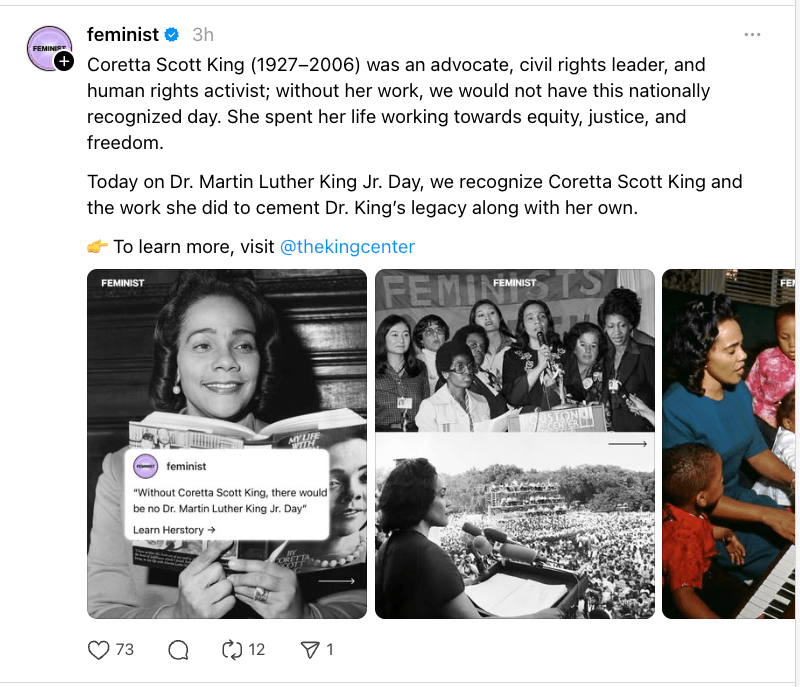
Born on January 15, 1929, in Atlanta, Georgia, King grew up in the segregated South, where racial discrimination was deeply ingrained in society. Despite these challenges, he excelled academically, earning degrees from Morehouse College, Crozer Theological Seminary, and a Ph.D. in Systematic Theology from Boston University. It was during his time in Boston that he met and married Coretta Scott King, who would become a key figure in the civil rights movement.
The Civil Rights Movement and Nonviolent Resistance
Dr. King emerged as a national leader in 1955 when he led the Montgomery Bus Boycott following the arrest of Rosa Parks. His commitment to Gandhian nonviolent resistance became the hallmark of his activism. Through marches, speeches, and sit-ins, he advocated for racial integration, voting rights, and economic justice.
Some of his most significant contributions include:
- 1963 March on Washington – Delivered his iconic “I Have a Dream” speech, envisioning a future of racial harmony.
- Civil Rights Act of 1964 – His activism was instrumental in pushing for legislation banning discrimination based on race, color, religion, or national origin.
- Voting Rights Act of 1965 – Advocated for voting rights, leading to legislation that prohibited racial discrimination in voting.
- Poor People’s Campaign – Shifted his focus to economic justice, aiming to end poverty in America.
Key Quotes from Martin Luther King Jr.
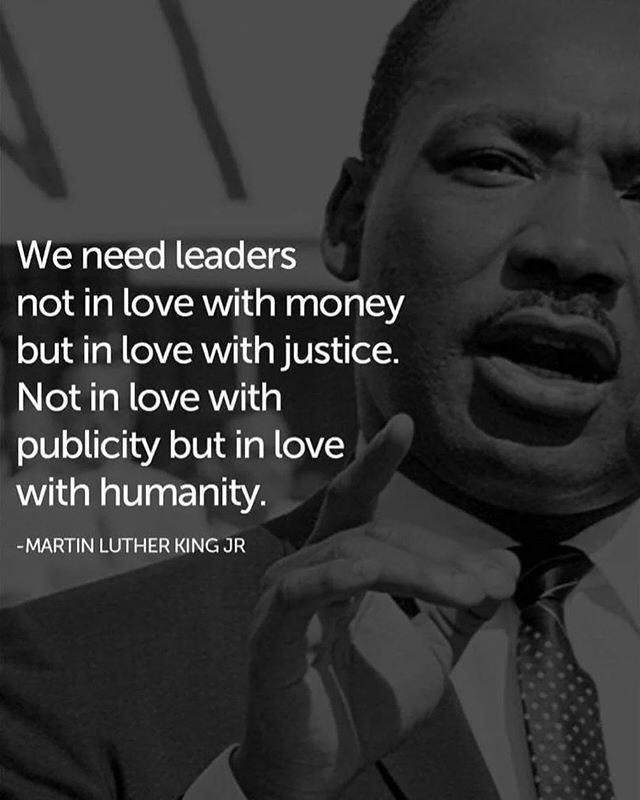
Dr. King’s words continue to resonate and inspire movements for justice and equality worldwide. Here are some of his most powerful quotes:
- “I have a dream that one day this nation will rise up and live out the true meaning of its creed: ‘We hold these truths to be self-evident, that all men are created equal.'” (March on Washington, 1963)
- “Darkness cannot drive out darkness; only light can do that. Hate cannot drive out hate; only love can do that.”
- “Injustice anywhere is a threat to justice everywhere.” (Letter from Birmingham Jail, 1963)
- “The time is always right to do what is right.”
- “Faith is taking the first step even when you don’t see the whole staircase.”
- “Life’s most persistent and urgent question is, ‘What are you doing for others?’”
- “We must learn to live together as brothers or perish together as fools.”
- “Our lives begin to end the day we become silent about things that matter.”
- “The arc of the moral universe is long, but it bends toward justice.”
- “Freedom is never voluntarily given by the oppressor; it must be demanded by the oppressed.”
Assassination and Legacy
On April 4, 1968, Dr. King was assassinated in Memphis, Tennessee, while advocating for sanitation workers’ rights. His death was a tragedy, but his legacy lives on in the ongoing fight for justice, equality, and civil rights worldwide.
In 1983, the U.S. established Martin Luther King Jr. Day as a federal holiday, observed every third Monday in January to honor his life and contributions. Today, his teachings continue to inspire activism in movements such as Black Lives Matter, voting rights advocacy, and social justice initiatives worldwide.
Final Thoughts
Dr. Martin Luther King Jr. was not just a leader of his time—his message of peace, justice, and equality remains a moral compass for generations. His unwavering faith in nonviolence and love as forces for change reminds us that the fight for justice is ongoing and that we must all play a role in shaping a more equitable world.
“The ultimate measure of a man is not where he stands in moments of comfort and convenience, but where he stands at times of challenge and controversy.”
His dream remains unfinished, and it is up to each of us to continue the work of creating a just and inclusive society.
- https://www.threads.net/@feminist/post/DFEEo_jysTr?xmt=AQGzM9kY4W9-01AbQevQeMdZS1pfeh0cJpVOaJAsp-R3mw
- https://www.threads.net/@officialmlking3/post/DFD6Tzcv9MF?xmt=AQGzM9kY4W9-01AbQevQeMdZS1pfeh0cJpVOaJAsp-R3mw
- https://www.threads.net/@mayoclinic/post/DFERV-vIJZ5?xmt=AQGzM9kY4W9-01AbQevQeMdZS1pfeh0cJpVOaJAsp-R3mw
- Key Tributes Noted Below:
Legal News:
Summary of Justin Baldoni’s Lawsuit Against Blake Lively and Others
When Intent Unites: Supreme Court Reaffirms Common Intention Doctrine in IPC Cases
U.S.-China Relations at a Crossroads: What Han Zheng’s Presence at Trump’s Inauguration Signifies
Contaminated Saline Tragedy: Calcutta High Court Orders Compensation and CID Probe
Texas Age-Verification Law for Porn Sites: Free Speech or Necessary Regulation?
High-Stakes Debate: Supreme Court Questions Fifth Circuit’s Lenient Take on Texas Internet Law
 celebchai.com
One thought on “Today is Martin Luther King’s Day.”