
The ongoing legal battle between Blake Lively and Justin Baldoni has turned into a multi-faceted courtroom showdown, marked by lawsuits, counter-lawsuits, leaked footage, public fallout, and a controversial gag order request. As both Hollywood stars fight their battles in court and the media, the stakes continue to rise—not only for their reputations but for broader legal precedents in entertainment and defamation law.
(THIS IS A SUMMARY OF KEY THREADS/OPINIONS EXPRESSED)
I. The Genesis of the Lawsuit: What Started It All?
The legal conflict allegedly began when Blake Lively approached The New York Times with a story that reportedly contained altered texts. This claim, if substantiated, could severely impact her credibility in the case. Following the media coverage, Lively filed an official complaint and then a lawsuit against Justin Baldoni, though the exact details of her legal claims remain partially redacted in court documents.
In response, Baldoni took an aggressive legal stance:
- He countersued The New York Times for defamation and unethical reporting practices.
- He filed lawsuits against Lively and her husband, Ryan Reynolds, alleging misrepresentation, defamation, and potential contractual violations.
These retaliatory lawsuits highlight Baldoni’s legal team’s strategy—shifting the burden of proof onto Lively and forcing a public disclosure of all evidence.
II. The Role of Leaked Footage: A PR War or Evidence of Misconduct?
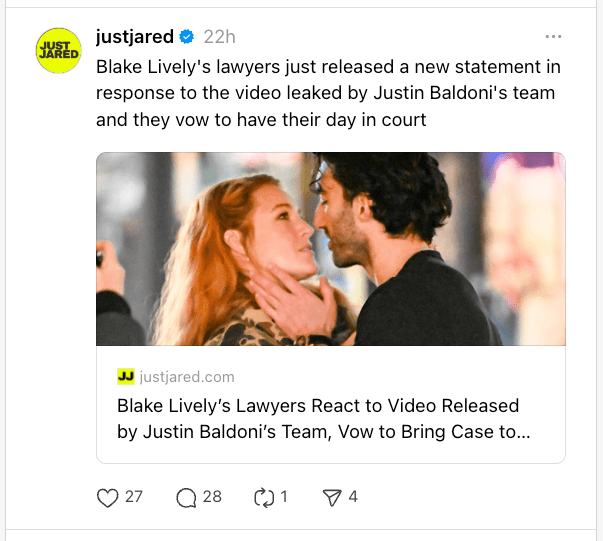
One of the most dramatic developments in the case has been Baldoni’s legal team’s decision to release raw footage from the film set of It Ends With Us to the public. According to Baldoni’s camp, this footage directly refutes Lively’s claims.
However, Lively’s team quickly responded:
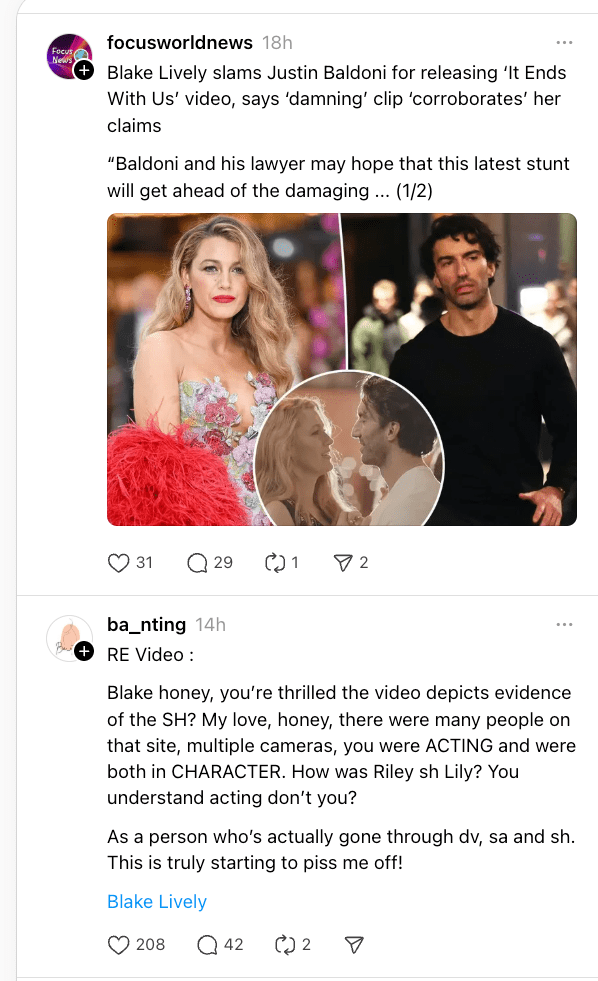
- They issued a legal statement asserting that “every frame” of the footage actually supports her claims.
- They maintained that the raw footage corroborates the allegations outlined in Paragraph 48 of her complaint, particularly allegations of “unwanted touching”.
This battle over evidence raises an important legal question: Does releasing footage to the public strengthen or weaken a defendant’s case?
Legal Analysis: The Risk of Public Disclosure
While releasing footage may seem like a way to clear Baldoni’s name, it also comes with legal risks:
- Potential Violation of Discovery Rules – If Baldoni’s team publicly releases pre-trial evidence, it could lead to sanctions if the court determines that such evidence should have been handled privately.
- Influencing Jury Perception – If the case goes to trial, prejudicial media coverage can impact jurors, possibly affecting the fairness of proceedings.
- Accusations of Witness Intimidation – If Lively’s legal team argues that publicly releasing evidence pressures witnesses or attempts to manipulate public opinion, it could be grounds for further legal action.
That said, Baldoni’s team appears confident that releasing this footage will bolster his credibility in both the legal system and the court of public opinion.
III. The Gag Order Request: A Contradiction or a Legal Safeguard?
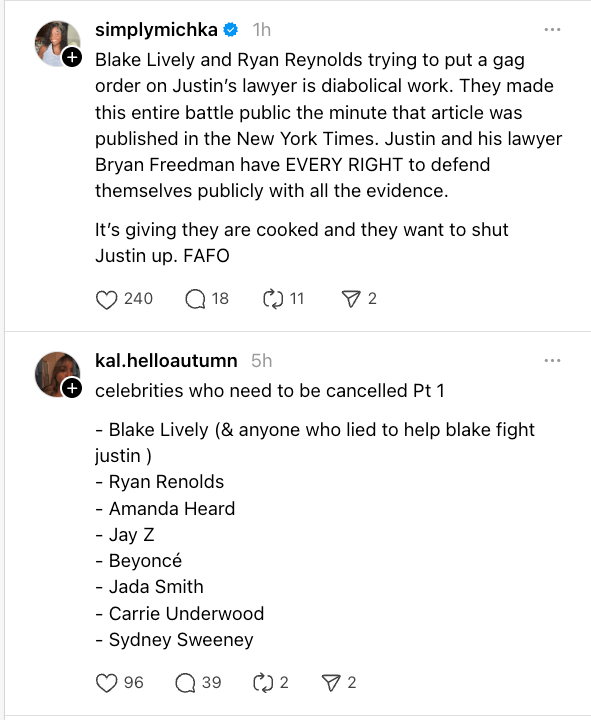
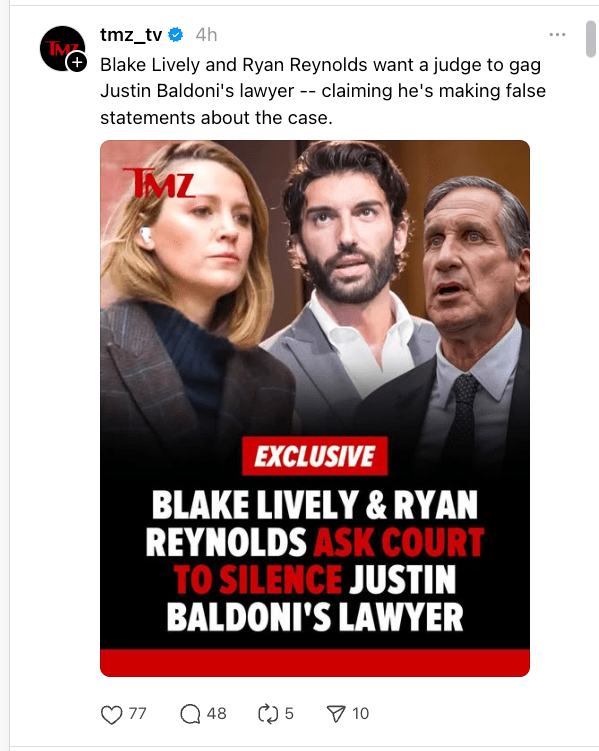
Perhaps the most controversial move in the case is Blake Lively and Ryan Reynolds’ request for a gag order against Baldoni.
Why Are They Seeking a Gag Order?
- If Lively was the first to bring her claims to the public, it raises the question: Why silence Baldoni now?
- A gag order, if granted, would prevent Baldoni and his legal team from further discussing the case publicly, restricting the release of more video evidence, communications, or legal arguments.
- Critics argue that seeking a gag order after making a case public appears to be an attempt to control the narrative rather than protect the integrity of the case.
Legal Precedents and Ramifications
A gag order is usually granted in cases where:
- There is a risk of tainting potential jurors.
- One party is releasing misleading or prejudicial information.
- Ongoing media coverage could compromise witness testimonies.
However, if Baldoni’s evidence is strong, courts may be reluctant to grant Lively’s request, seeing it as an attempt to suppress relevant facts.
IV. The Social Media and Hollywood Fallout
The legal battle has spilled into Hollywood circles, leading to a noticeable shift in industry support.
- Colleen Hoover, the author of It Ends With Us, deleted her Instagram, sparking speculation that she wants no involvement in the dispute.
- Actor Brandon Sklenar, initially supportive of Lively, unpinned his Instagram post defending her.
- Jenny Slate removed posts supporting Lively, adding to speculation that industry insiders may have doubts about her claims.
- Lively and Reynolds turned off comments on their Instagram accounts, while Baldoni has kept his comment section open.
These social media moves signal a growing divide in public and industry perception, with some viewing Lively’s case as weakening.
V. Strategic Legal Moves: What Comes Next?
Baldoni’s Legal Strategy: Transparency as a Weapon
- Baldoni’s lawyer has announced plans to launch a public website containing all legal correspondence and evidence to “quash” Lively’s claims.
- This move is bold and unprecedented but could backfire if courts rule that evidence should remain private.
Lively’s Counterattack: Allegations of a “Sinister Campaign”
- Lively’s legal team has filed new court documents claiming that Baldoni’s legal strategy constitutes a “sinister campaign” against her.
- This could potentially lead to defamation counterclaims if Lively alleges that Baldoni’s actions damaged her reputation beyond the scope of the original case.
VI. Possible Outcomes and Broader Implications
The legal battle has wide-ranging consequences, not just for Lively and Baldoni, but for entertainment law and media ethics.
- Court Decision on the Gag Order
- If denied, Baldoni may continue releasing more footage and evidence.
- If granted, it may limit public discussion but could also raise questions of fairness.
- Potential Out-of-Court Settlement
- Given the high-stakes nature of the lawsuit, both parties may ultimately seek a private settlement rather than risk losing in court.
- Industry Reputation Fallout
- If Lively’s claims are disproven, it could severely damage her reputation.
- If Baldoni fails to prove his defense, it could impact his standing in Hollywood as well.
- Precedent for Future Entertainment Lawsuits
- The case could set a new precedent for how on-set misconduct allegations are handled.
- It raises questions about the role of social media and public disclosure in legal disputes.
VII. Final Thoughts: A Legal and PR Chess Match
The Blake Lively vs. Justin Baldoni lawsuit is more than a typical Hollywood feud—it is a defining moment in celebrity legal battles. With lawsuits, countersuits, gag orders, and media strategies at play, this case will likely reshape the entertainment industry’s approach to legal disputes, evidence disclosure, and reputation management.







 celebchai.com
One thought on “Blake Lively vs. Justin Baldoni: A High-Stakes Legal War of Lawsuits, Leaked Footage, and Media Maneuvering”