Introduction
Introduction
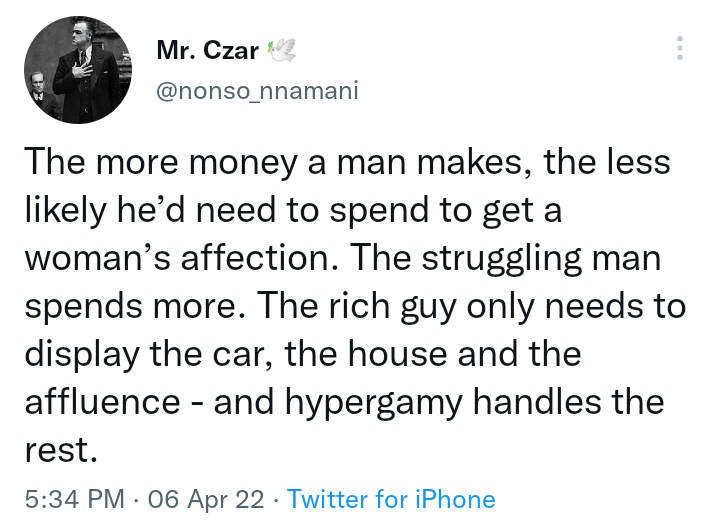
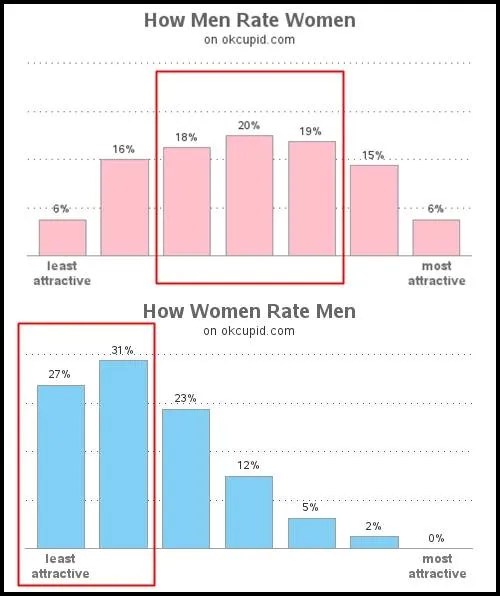
Hypergamy—the idea of “dating up”—has long been a part of societal norms, with women traditionally seeking partners of higher financial or social status. But in today’s world, where education and financial independence have empowered women, hypergamy is undergoing a transformation.
While some argue that hypergamy contradicts feminism, others see it as a natural extension of personal choice in relationships. Instead of focusing solely on wealth and status, modern hypergamy emphasizes emotional and intellectual compatibility, shared ambitions, and building a balanced partnership.
How Hypergamy Has Changed
In the past, hypergamy was primarily about financial security. Women, who historically had fewer economic opportunities, sought partners who could provide stability. Today, however, the landscape has changed:
- Education & Economic Independence: A 2016 study in Population and Development Review found that in 139 countries, women aged 25-29 were more likely to have a college degree than men. With financial independence, women now have more freedom in choosing partners.
- Shift Toward Power Couples: Instead of just “marrying up,” modern relationships focus on finding a partner who complements one’s strengths. A 2020 study in Personality and Social Psychology Bulletin found that couples with strong identity clarity—meaning they share clear goals—tend to have higher commitment levels.
- Emphasis on Shared Ambition: Many modern couples, like Bhttps://www.forbes.com/sites/traversmark/2024/06/12/2-reasons-why-hypergamy-or-dating-up-doesnt-mean-what-it-used-to/randon Wade and Dana Rosewall, exemplify this shift. They built their relationship on mutual ambition, emotional connection, and complementary skills, rather than traditional hypergamy based purely on financial gain.
The Stigma Around Financial Preferences
Despite this shift, women who openly express a preference for financially stable partners are often unfairly labeled as gold diggers. However, men who pursue beauty and youth in partners do not face the same level of scrutiny.
Financial security is just one aspect of a successful relationship—emotional compatibility, mutual respect, and shared values matter just as much. The outdated notion that women must either be independent or seek financial stability in a partner ignores the reality that relationships can thrive on both independence and support.
Shifting the Conversation
Rather than criticizing dating preferences, the focus should be on empowered decision-making. Dr. Aparna Vashisht Rota, a business strategist and social media expert, emphasizes that relationships should be based on personal values, not societal expectations. She advocates for open discussions about relationship dynamics, ensuring that choices are made from a place of confidence rather than external pressure.
Conclusion
Hypergamy in the 21st century is no longer about simply “marrying up” but about finding a partner who complements your ambitions and values. Rather than shaming individuals for their dating choices, we should encourage conversations that promote respect and balance in relationships.
 celebchai.com