
The discussion surrounding Meghan Markle’s new Netflix show, With Love, Meghan, has sparked an overwhelming wave of criticism, particularly in the comments on TalkTV’s coverage of the announcement. However, the sheer intensity and persistence of these reactions raise an important question—why do people care so much? Are they seasoned television producers? Do they believe they have better judgment than Netflix executives? And ultimately, why does it matter to them whether she fails or not?
Below is a breakdown of the main themes in the criticism and an exploration of the deeper motivations behind this relentless scrutiny.
1. Perceived Lack of Authenticity and Expertise
A significant portion of the comments argue that Markle lacks the necessary credentials to host a lifestyle or cooking show. Critics compare her to established personalities like Martha Stewart and Nigella Lawson, questioning what qualifications she brings to the table.
Common Comments:
- “Under what famous chef did Meghan train?”
- “Martha Stewart and Nigella Lawson already exist. Why would anyone watch Meghan?”
- “This is just a reboot of The Tig, a failed blog from years ago.”
But here’s the real question—why does this matter? Celebrity-driven lifestyle brands have existed for decades, and expertise is not always a prerequisite for success. If a production team and Netflix executives believe there is an audience for With Love, Meghan, why do outsiders feel so strongly about discrediting it?
2. Accusations of Imitation and Plagiarism
Some argue that Markle is copying established figures, particularly Emma, the Marchioness of Bath, and other lifestyle personalities. These accusations of plagiarism have followed Markle in various forms over the years.
Common Comments:
- “She stole the line ‘Everyone is welcome’ from Emma’s kitchen.”
- “This is a knockoff of Ina Garten and Emma Weymouth.”
- “Even Diana signed her letters ‘With Love, Diana.’ Is Meghan copying her too?”
However, many public figures draw inspiration from existing brands. Lifestyle content is, by nature, repetitive—how many ways can one present a recipe or a decor tip? If Netflix saw enough differentiation in Markle’s show to greenlight it, why do these critics believe they have superior judgment?

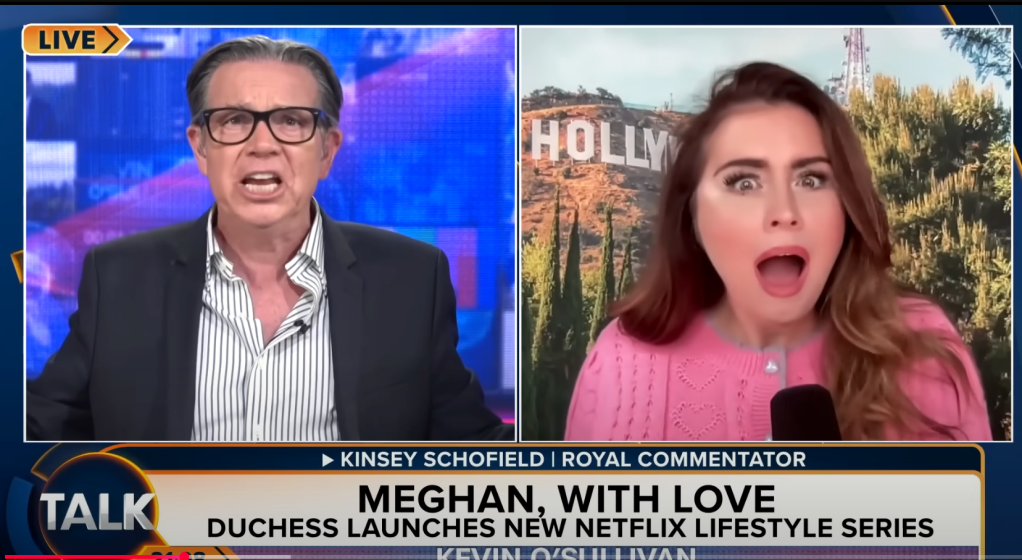
Kinsey’s facial expressions are a whole performance on their own! 😂 Does she practice in the mirror, or is this just natural talent?
3. Deep-Rooted Personal Dislike
A notable segment of the comments is less about the show itself and more about personal grievances against Markle. These reactions stem from her past controversies, strained relationships, and criticisms of the Royal Family.
Common Comments:
- “Watching Meghan Markle tell us how great Meghan Markle is.”
- “She spent years trashing people—now she wants to teach us about friendship?”
- “The only person who isn’t tired of Meghan Markle is Meghan Markle.”
But why invest so much energy in tearing her down? Public figures reinvent themselves all the time. If the general sentiment is that Markle’s show will fail, why does it need to be loudly reiterated by people who claim to have no interest in her?
4. The Royal Family Narrative
Another recurring argument is that Markle wasted a once-in-a-lifetime opportunity by stepping away from the Royal Family. Critics claim she abandoned a platform for meaningful impact in favor of a commercialized celebrity lifestyle.
Common Comments:
- “She had the world’s biggest platform for good and threw it away for Netflix money.”
- “If she had played the royal game, she would have been adored.”
- “She left because she wasn’t getting paid.”
Yet, Meghan and Harry have repeatedly stated that their departure was about personal freedom, not financial gain. Regardless of whether one believes this, why do people remain so fixated on a decision she made years ago? And do they really think Netflix didn’t weigh this public perception before approving her show?
5. Criticism of the Show’s Timing
Several comments claim that Markle’s announcement was poorly timed given ongoing global issues, including the British Royal Family’s recent struggles with health crises.
Common Comments:
- “She announced this while people were grieving. Read the room, Meghan.”
- “Prince Philip died after her Oprah interview. The Queen died after her Cut Magazine interview. Now this?”
- “Archie’s godmother just lost her son in a terrorist attack, and Meghan is making strawberry jam.”
But do these critics hold other celebrities to the same standard? Major projects are announced every day, regardless of world events. If Netflix determined that this was the right moment for With Love, Meghan, does it really make sense to claim she should have delayed it?
6. Netflix’s Decision-Making Under Fire
Beyond Markle, Netflix itself has been heavily criticized for continuing to work with her despite public backlash and supposed underperformance of past projects.
Common Comments:
- “Netflix is out of its mind giving her another chance.”
- “People canceled their subscriptions over Harry & Meghan. Why are they doubling down?”
- “If Netflix made a documentary on how hard she is to work with, THAT would be a bestseller.”
But do these critics truly believe they have a better understanding of Netflix’s business model than the company’s executives? Streaming services analyze vast amounts of data before greenlighting projects. If they believe there’s an audience for Markle’s show, why is the public so invested in proving them wrong?
7. General Mockery and Sarcasm
Perhaps the most widespread response is simple ridicule. Many comments mock the show’s concept and tone, dismissing it as unnecessary and pretentious.
Common Comments:
- “Ice cream with strawberries and mint? Revolutionary!”
- “She’s showing Wimbledon that strawberries go with ice cream. Wow.”
- “Meghan is to cooking what Harry is to Polo 2.0—a disaster.”
Yet, mockery itself is a form of engagement. If critics truly found Markle irrelevant, they would ignore her rather than invest time in ridiculing every aspect of her latest venture.
Conclusion: Why Do They Care So Much?
The overarching theme in the reaction to With Love, Meghan is that people desperately want it to fail—so much so that they invest time and energy in dissecting every detail of its announcement. But why?
- If the show is doomed, why not let Netflix’s executives bear the loss?
- If Markle is unqualified, won’t audiences naturally reject the content?
- If critics truly don’t care about her, why spend hours discussing her perceived flaws?
Ultimately, the backlash reveals more about the people writing the comments than about Markle herself. Whether With Love, Meghan succeeds or flops, the real story is how invested some are in making sure she never finds success. And that, in itself, is fascinating.
 celebchai.com