
By Dr. Aparna Vashisht Rota | DEI, Emotional Intelligence, and Strategist.
You’re Not “Too Sensitive”—You’re Responding to Disrespect
Being called “too sensitive” for reacting to disrespect is classic manipulation. Your emotions are valid. It’s time to stop excusing bad behavior and start calling it out. #EmotionalIntelligence #Gaslighting #Respect #DEI #DrAparnaVashishtRota
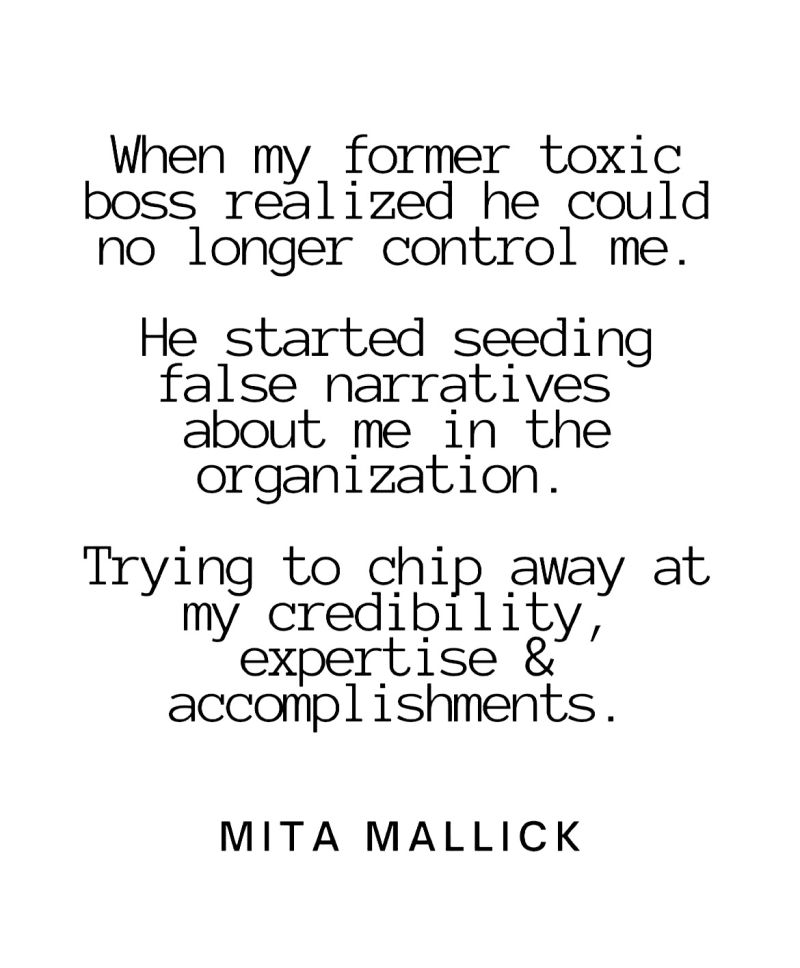
Dismissive phrases like “you’re too sensitive” or “you can’t take a joke” are often used to silence and manipulate. When someone invalidates your emotions in response to their own disrespectful behavior, they shift the blame to you. Dr. Aparna Vashisht Rota, a DEI and emotional intelligence expert, breaks down this toxic pattern, its psychological roots, and how to protect yourself from manipulation.
Have you ever spoken up about being mistreated, only to be met with “You’re too sensitive” or “It was just a joke, lighten up”? If so, you’ve encountered emotional manipulation at its finest.
The Psychology Behind This Manipulation
This tactic, commonly known as gaslighting, is a way to make you doubt your own perception and reality. Instead of acknowledging their inappropriate behavior, the manipulator deflects, placing the blame on you for feeling hurt.
Here’s why it’s harmful:
It shifts accountability from the person being disrespectful to the person calling it out.
It invalidates emotions, making the recipient feel as though their pain is unjustified.
It’s a control tactic, used to silence people and maintain dominance in a relationship, workplace, or social dynamic.[¹]
Manipulation Beyond Romantic Relationships
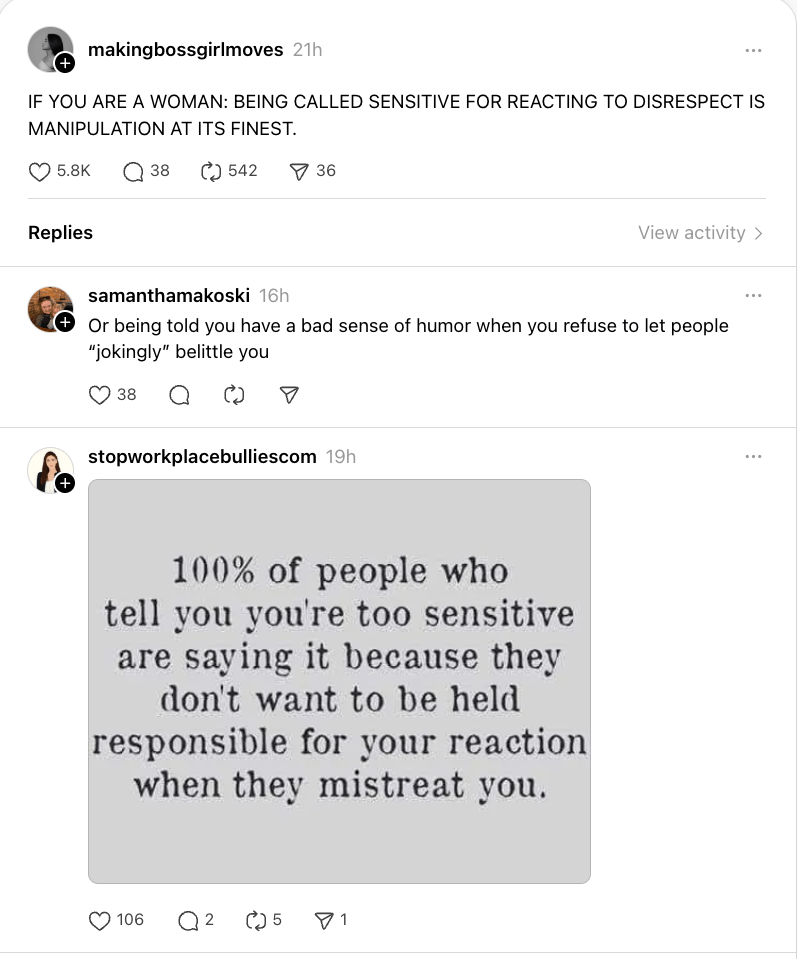
This issue isn’t just limited to romantic dynamics—it happens in families, friendships, and workplaces too. Many women shared their experiences in a viral online discussion, exposing the emotional labor placed on them:
“Or being told you have a bad sense of humor when you refuse to let people ‘jokingly’ belittle you.”
“I just stopped needing people. I am strongest on my own.”
“Not a woman, but I’m female, and I’m tired of being gaslit in general.”
Even men face this, as one commenter pointed out:
“My husband’s family says they figured out the problem—it’s that he is too sensitive.”
This pattern affects everyone but is especially used against marginalized groups to silence their perspectives and emotions. Studies show that women and people of color are more likely to be labeled as “too emotional” when they voice concerns in professional or social settings.[²]
How to Recognize & Respond to Manipulation
If someone calls you “too sensitive” when you express discomfort, recognize it as a deflection tactic. Instead of arguing, try these responses:
“I’m not being sensitive—I’m setting a boundary.”
“Respect isn’t about my feelings—it’s about your actions.”
“If it was a joke, why am I the only one laughing?”
Another powerful approach? Silence. As one user shared:
“Before I even start defending myself, I just look them up and down and let the silence talk for me.”
Final Thoughts: Own Your Emotions, Demand Respect
Emotional intelligence isn’t about suppressing emotions—it’s about understanding, regulating, and asserting them. Your feelings are valid and should never be dismissed for someone else’s convenience. As Barbie’s America Ferrera puts it:
“You have to never show fear, never get out of line. It’s too hard! It’s too contradictory, and nobody gives you a medal or says thank you!”
You don’t owe anyone an explanation for demanding respect. Stop justifying, start standing firm.
Have you ever been called “too sensitive” for reacting to disrespect? Share your experience below.
#EmotionalIntelligence #Manipulation #DEI #Respect #DrAparnaVashishtRota
Footnotes:
[1] Abramson, L. (2021). Gaslighting: How to Recognize Manipulation and Emotional Abuse. Journal of Behavioral Psychology.
[2] Taylor, K., & Smith, R. (2019). The Emotional Bias: How Women and Marginalized Groups Are Labeled as Too Emotional in Professional Settings. Harvard Business Review.
 celebchai.com