Introduction
The entertainment industry presents unique challenges in maintaining professional boundaries while fostering creative collaboration. This analysis examines a case study of communication between a director and talent that highlights complex workplace dynamics, offering insights into effective communication strategies, power dynamics, and professional boundaries in high-stakes creative environments.
Context Analysis
The situation centers on a late-night communication exchange between a director and a prominent actress during a film project. The incident began with the actress expressing concerns about how her creative contributions were being received and acknowledged, referencing past experiences where her work had been undervalued. Her initial message highlighted systematic issues in the industry, including instances where she had contributed significantly to scripts without receiving credit and situations where promises of collaborative relationships devolved into expectations of passive compliance.
Professional Communication Patterns
Response Dynamics
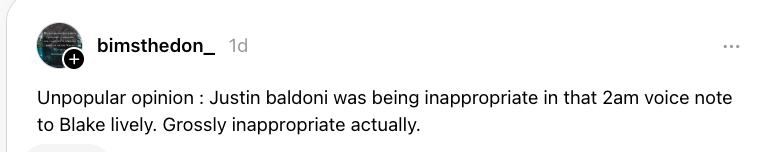
The director’s response, a six-minute voice message delivered at 2:00 AM, exemplifies several common challenges in professional communication. While attempting to be supportive, the response demonstrated a pattern of non-specific acknowledgment rather than addressing the concrete concerns raised. The actress had specifically noted her frustration with receiving praise for “passion” rather than specific feedback on content – yet the response largely repeated this pattern, offering generalized appreciation rather than specific engagement with her creative contributions.
Boundary Considerations
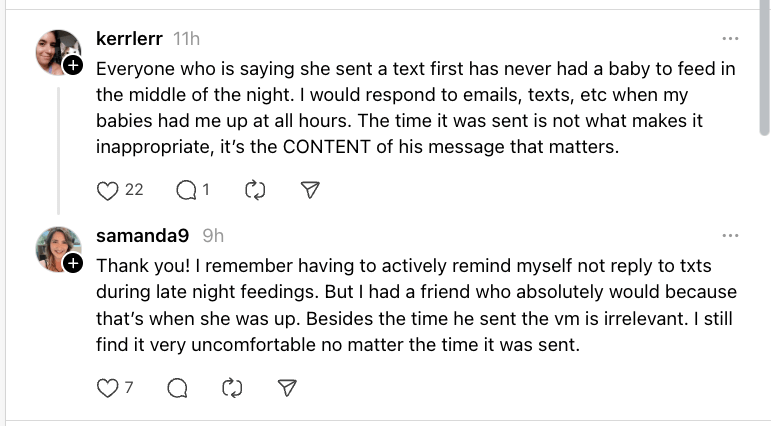
The timing and length of the communication raise important questions about professional boundaries. While creative industries often operate outside traditional business hours, the combination of timing, duration, and content creates a complex situation that merits examination. The incident highlights how seemingly well-intentioned attempts at support can inadvertently cross professional boundaries, particularly in high-pressure creative environments.



Power Dynamics in Creative Collaboration
Historical Context
The actress’s initial message provided important context about systemic issues in the industry, describing patterns where creative contributions from talent are utilized without proper acknowledgment or compensation. Her examples included being hired as a writer with the explicit condition of not requesting credit – a practice that reveals deeper issues about power and recognition in creative industries.
Support Networks and Advocacy
The case highlights the importance of support networks in professional advancement. The actress referenced how established industry figures (including her husband and a prominent musician) helped her advocate for proper recognition of her contributions. This dynamic illustrates how power structures in creative industries often require external validation and support for talent to receive appropriate acknowledgment.
Leadership Response Patterns
Communication Style Analysis
The director’s response exhibited several notable patterns:
- Extended, non-specific expressions of support
- Emphasis on personal fallibility and willingness to apologize
- General acknowledgments rather than specific engagement with concerns
- Mixing of professional and personal communication styles
These patterns reflect common challenges in leadership communication, particularly in creative industries where personal and professional boundaries often blur.
Professional Development Implications
The situation reveals opportunities for leadership development in several areas:
Understanding Effective Feedback
The case demonstrates how non-specific praise and general expressions of support can fail to address substantive concerns about creative contribution and recognition. Effective leadership requires developing the ability to provide specific, actionable feedback that acknowledges concrete contributions.
Boundary Management
The incident highlights the importance of maintaining appropriate professional boundaries even in creative industries where relationships may be more informal. Leaders need to develop skills in maintaining professional distance while fostering creative collaboration.
Organizational Learning Opportunities
Policy Development
Organizations in creative industries need comprehensive policies that address:
- Communication protocols that respect both creative flexibility and professional boundaries
- Clear processes for acknowledging and crediting creative contributions
- Structured feedback mechanisms that encourage specific, actionable communication
- Guidelines for maintaining professional boundaries in collaborative creative environments
Cultural Transformation
The case highlights the need for organizational cultures that support both creative freedom and professional safety. This includes developing environments where:
- Creative contributions are properly acknowledged and credited
- Professional boundaries are clearly understood and respected
- Feedback is specific and constructive rather than general and non-committal
- Power dynamics are acknowledged and managed appropriately
Conclusion
This case study reveals the complex interplay of professional boundaries, power dynamics, and communication challenges in creative industries. Success in these environments requires careful attention to professional boundaries while maintaining productive creative relationships. Organizations and leaders must develop sophisticated approaches that protect all parties while supporting creative collaboration.
The situation demonstrates how well-intentioned responses can inadvertently reinforce problematic patterns if not carefully considered. Effective leadership in creative industries requires developing specific skills in providing concrete feedback, maintaining appropriate boundaries, and acknowledging creative contributions appropriately.
 celebchai.com