
Recent discussions surrounding Kanye West’s revelation about his autism diagnosis have sparked renewed debate about the intersection of mental health, public influence, and personal responsibility. This case highlights broader questions about how society addresses controversial statements by public figures while respecting mental health concerns.
The Context of Public Influence

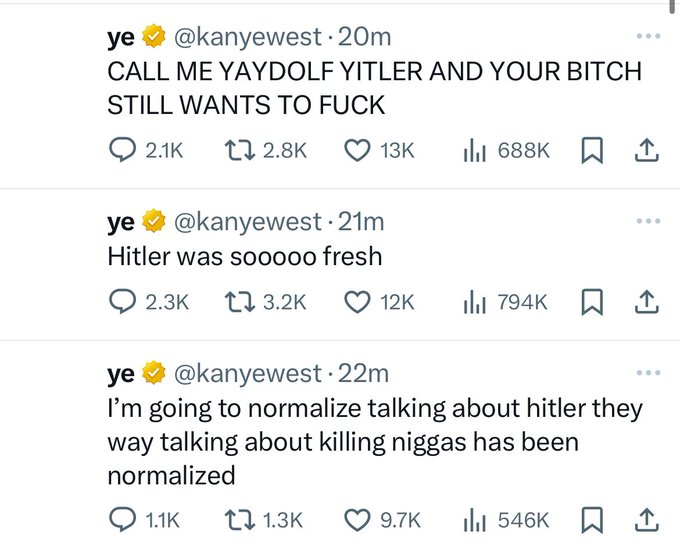
West’s artistic achievements and cultural impact have been accompanied by a pattern of controversial statements over the years. His recent disclosure about being diagnosed with autism rather than bipolar disorder adds another layer to ongoing discussions about his public behavior and its consequences. This situation presents an opportunity to examine how society navigates the complex relationship between mental health understanding and public accountability.
Impact and Responsibility
The impact of public figures’ statements extends far beyond social media reactions. When influential voices spread harmful narratives, communities often face real-world consequences. Jewish organizations have reported increased security concerns following West’s antisemitic remarks, highlighting the tangible effects of inflammatory rhetoric.
This raises important questions about the responsibilities of various stakeholders:
Media Platforms
Social media companies face the challenge of balancing free expression with community safety. Their decisions about account access and content moderation have significant implications for public discourse. The reinstatement of suspended accounts, despite repeated violations, prompts questions about consistency in policy enforcement.
Brand Partners and Industry Response
Corporate responses to controversial behavior have varied, with some companies severing ties while others maintain relationships. These decisions influence broader conversations about corporate responsibility and ethical standards in business partnerships.
Mental Health and Public Discourse
The intersection of mental health and public behavior requires careful consideration. While mental health challenges deserve compassion and understanding, this understanding must be balanced with accountability for harmful actions. The discussion should focus on:
- Supporting mental health awareness without using it as a blanket excuse for harmful behavior
- Recognizing that individuals can simultaneously deserve both compassion and accountability
- Developing more nuanced frameworks for addressing controversial behavior by public figures
Moving Forward
This situation highlights the need for more sophisticated approaches to public discourse and accountability. Society must find ways to:
- Foster meaningful discussions about mental health without diminishing responsibility for harmful actions
- Develop consistent standards for addressing hate speech and inflammatory rhetoric
- Support affected communities while working toward prevention of future harm
- Create clearer frameworks for platform governance and content moderation
The path forward requires balancing multiple competing interests: free expression, public safety, mental health awareness, and accountability. Success will require ongoing dialogue and careful consideration of how these various factors intersect in an increasingly connected world.
Ultimately, this case serves as a catalyst for broader discussions about how society can better address complex situations involving public figures, mental health, and accountability. The goal should be to create frameworks that protect both individual rights and community well-being while promoting responsible public discourse.

 celebchai.com