
Justin Baldoni’s Defamation Lawsuit Faces a Major Setback as Blake Lively’s PR Team Fights Back
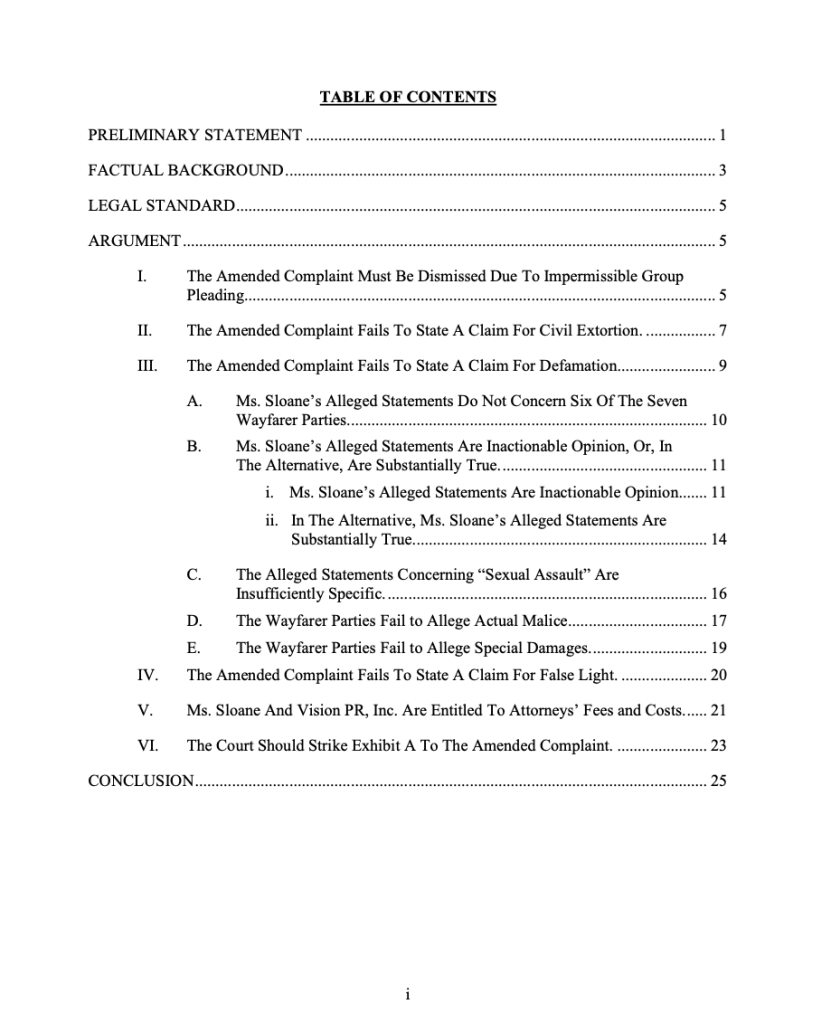
Justin Baldoni’s defamation lawsuit against Blake Lively’s PR team is unraveling fast. Leslie Sloane, Lively’s longtime publicist, has filed a Motion to Dismiss, arguing that the case is nothing more than a legal intimidation tactic disguised as a defamation claim. The motion doesn’t just poke holes in Baldoni’s case—it demolishes it by pointing out that the lawsuit lacks legal merit, factual accuracy, and any real damages.

At the heart of this case is Baldoni’s attempt to protect his public image. Once known for his carefully curated persona as a feminist ally, Baldoni is now facing allegations that his response to actual complaints from women was very different from the TED Talk version of himself. According to Sloane’s legal team, this lawsuit isn’t about defamation—it’s about revenge.
https://www.courtlistener.com/docket/69510553/87/lively-v-wayfarer-studios-llc/
What’s the Case About?
Baldoni and his production company, Wayfarer, claim that Leslie Sloane and her PR firm, Vision PR, were part of a “smear campaign” against him. The lawsuit accuses Sloane of:
- Civil extortion
- Defamation
- False light invasion of privacy
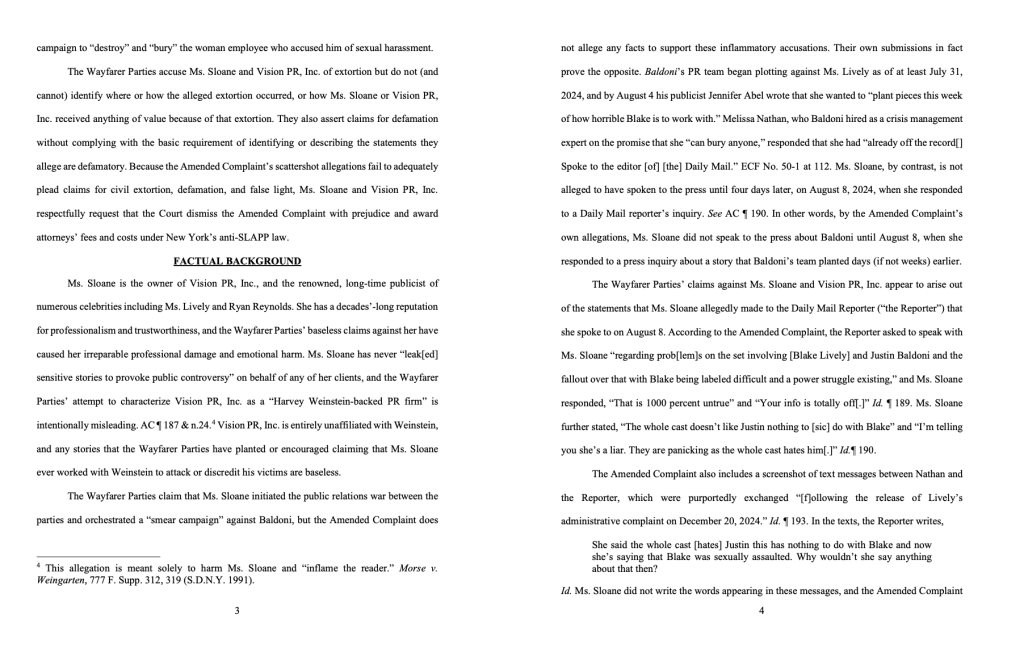
The problem? The entire case against her is based on just three statements she allegedly made to a Daily Mail reporter:
- “That is 1000 percent untrue.”
- “The whole cast doesn’t like Justin. Nothing to do with Blake.”
- “I’m telling you she’s a liar. They are panicking as the whole cast hates him.”

Sloane’s Motion to Dismiss: The Key Arguments
1. Defamation as a Retaliation Tactic
Baldoni’s entire lawsuit reads like an attempt to silence criticism rather than a genuine case of defamation. His legal team is using lawsuits to intimidate women who have spoken out against him—something his carefully crafted public image contradicts. Instead of responding to allegations with accountability, the motion argues that Baldoni chose legal warfare to suppress the truth.
2. The “Group Pleading” Problem
The lawsuit fails to specify who said what and how it caused harm. Courts require defamation claims to be clear and precise—but Wayfarer’s lawyers took the lazy route, throwing multiple defendants into one broad accusation. Without concrete details on how each statement harmed Baldoni, the case falls apart on a technical level.

3. The Civil Extortion Claim Is a Joke
One of Baldoni’s claims against Sloane is civil extortion, but there’s one massive problem:
New York law doesn’t even recognize civil extortion as a cause of action.
Even if California law applied, Wayfarer’s team never identifies an actual threat, demand, or benefit received—all crucial components of an extortion claim. The motion makes it clear: this accusation is completely made up.

4. The Defamation Claim Is DOA (Dead on Arrival)
The motion dismantles Baldoni’s defamation claim in five key ways:
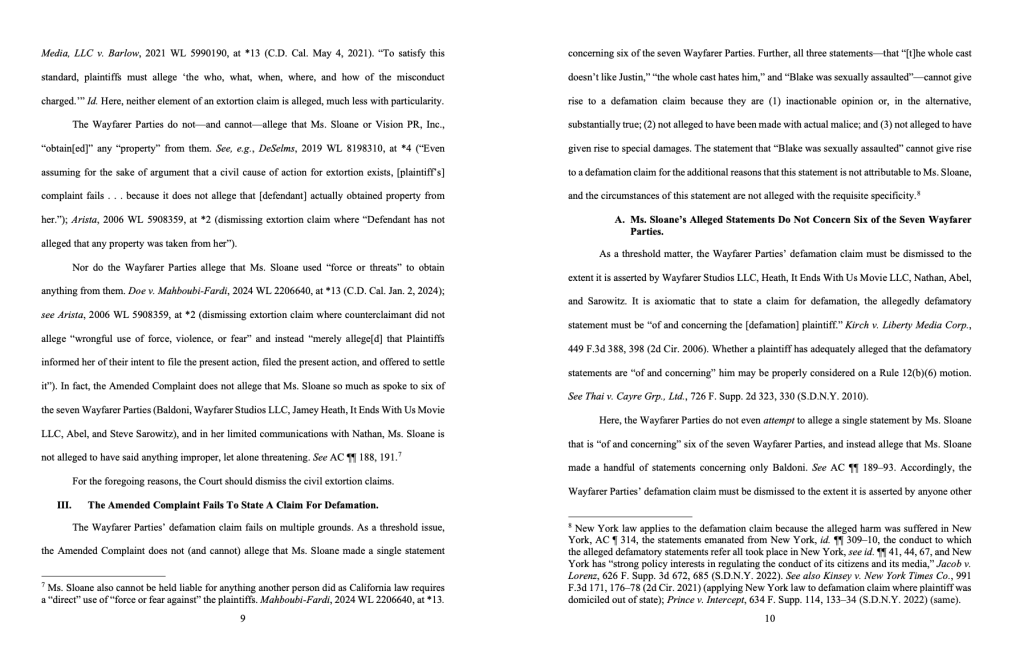
- A. “Who Are You Even Talking About?”
- Sloane’s statements were about Baldoni, yet six other plaintiffs are suing—even though she never mentioned them.
- That’s like suing someone for talking about your friend. It doesn’t work that way.
- B. Opinion vs. Fact Problem
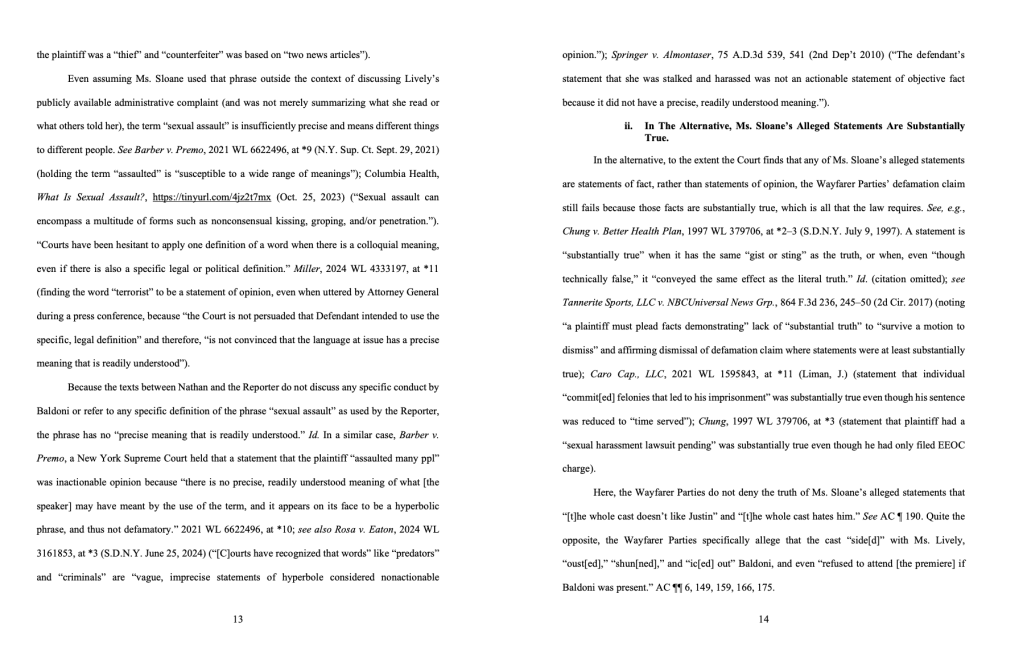
- Saying “the cast hates him” is an opinion, not a fact, which means it can’t be defamatory.
- Even more damaging—Baldoni’s own lawsuit confirms that the cast avoided him. If the statement is true, there’s no case.
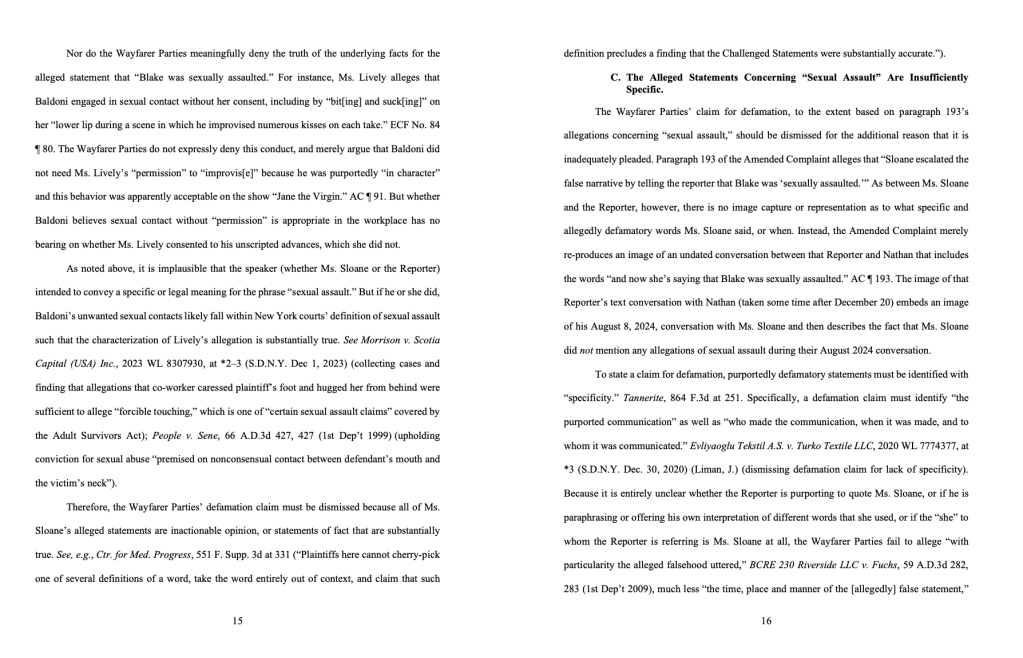
- C. The “Sexual Assault” Statement Is Hearsay
- One of the biggest claims is that Sloane told a reporter Blake Lively had been sexually assaulted.
- But the evidence is a screenshot of a paraphrased message from someone else—not a direct quote.
- Legally, that’s not enough to support a defamation claim.
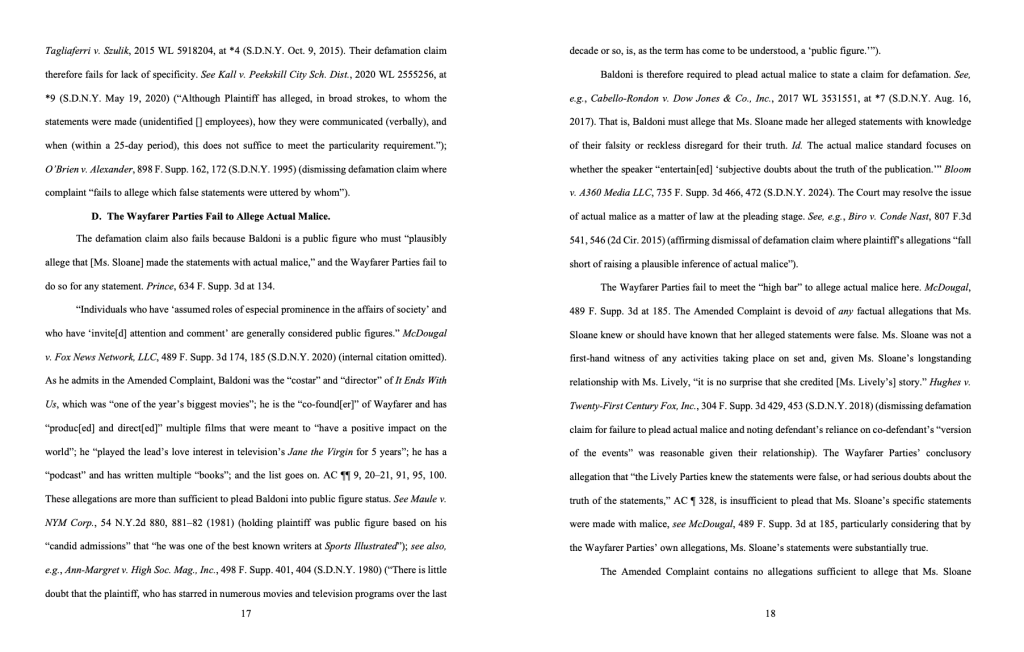
- D. Baldoni is a Public Figure and Must Prove “Actual Malice”
- As an actor, director, and public speaker, Baldoni is a public figure, which means he must prove that Sloane acted with actual malice—meaning she knew she was lying or acted with reckless disregard for the truth.
- Since Sloane relied on her client (Lively) and had no reason to doubt her, this case doesn’t come close to proving actual malice.
- E. The “Show Me the Money” Problem
- Wayfarer is demanding $400 million in damages, but they don’t provide a single example of financial loss.
- Courts do not take wild, unsubstantiated damages claims seriously.

5. The False Light Claim Is Legally Invalid
- New York law does not recognize false light claims, making this part of the lawsuit completely baseless.
- Even if it did, the statements about Baldoni aren’t highly offensive—they are just criticisms.
6. Wayfarer May Have to Pay Sloane’s Legal Fees
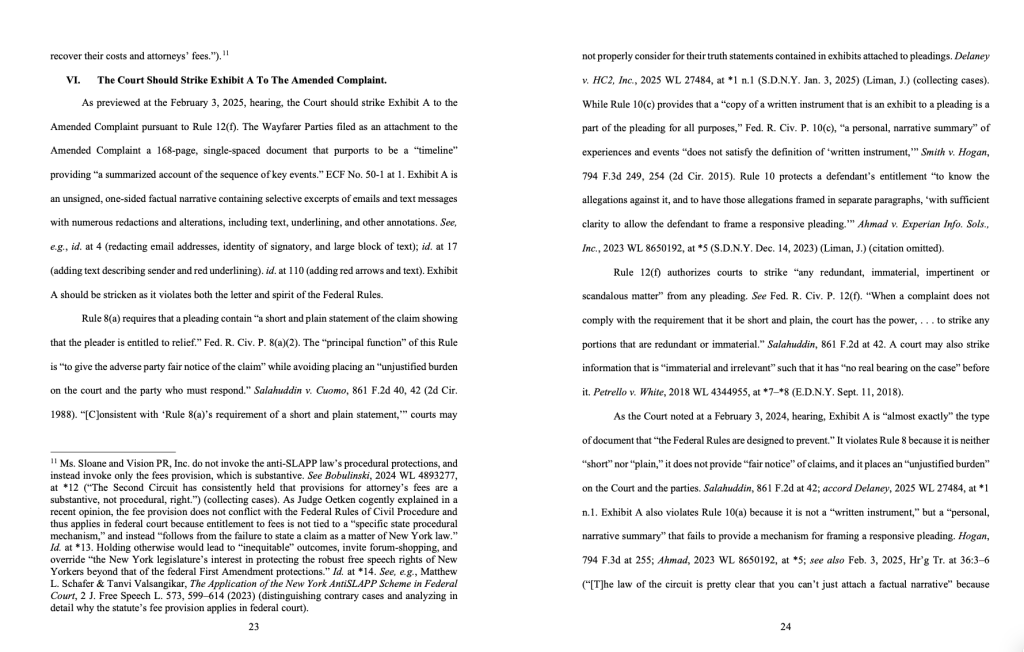
- New York’s anti-SLAPP law is designed to prevent people from using lawsuits to silence public discussion.
- Since Baldoni’s lawsuit targets free speech on a matter of public interest, the court could order Wayfarer to pay all of Sloane’s legal fees.
Why This Motion Matters
This motion to dismiss highlights how powerful men often use defamation lawsuits to silence criticism. If successful, it could set a precedent that prevents public figures from abusing the legal system to protect their reputations.
It also shatters Justin Baldoni’s public image as a male ally. His lawsuit suggests that his activism is more about branding than actual belief. Instead of engaging with the concerns raised about him, he has chosen to file a $400 million lawsuit to bury the discussion entirely.

Final Thoughts: Will the Case Survive?


Baldoni’s legal strategy appears to be:
- Sue critics to shift the narrative away from serious allegations.
- Claim he’s the real victim.
- Hope expensive litigation scares people into silence.
But if the court grants this motion, it will be a major win for press freedom and a serious blow to Baldoni’s credibility.
At this point, Baldoni’s attempt to control the narrative may backfire spectacularly. Instead of silencing his critics, he may end up paying their legal bills—and further exposing his own hypocrisy.
 celebchai.com
One thought on “Leslie Sloane Motion to Dismiss”