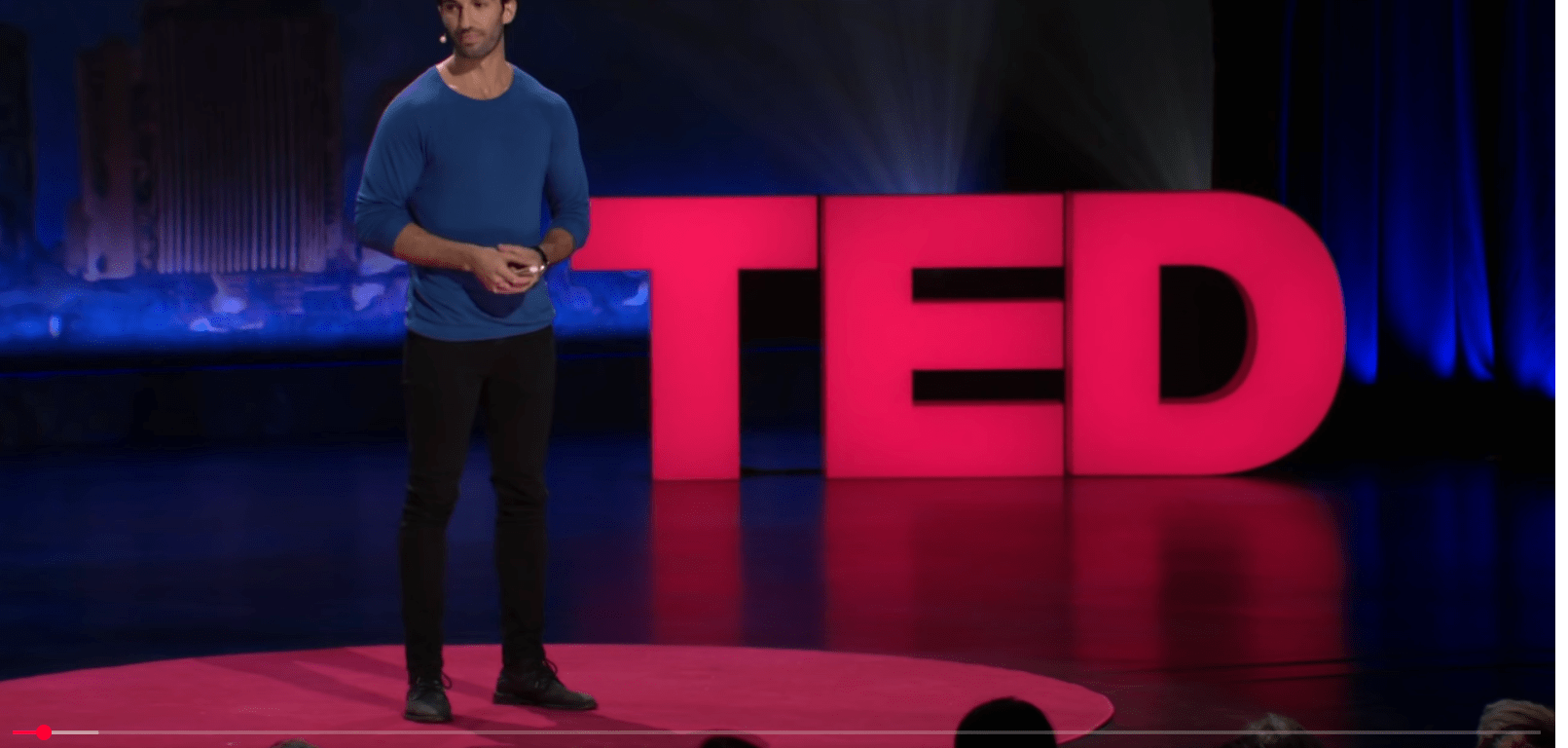
This transcript is from Justin Baldoni’s TED Talk on masculinity, vulnerability, and societal expectations for men. In his speech, Baldoni reflects on the pressures men face to conform to traditional gender norms, his personal struggles with masculinity, and his journey toward embracing emotional openness.
He humorously acknowledges his history of playing stereotypically masculine roles on television before revealing how he has felt like he’s been performing masculinity in his real life as well. He describes how boys are taught to reject traits associated with femininity, leading to emotional repression and a fear of vulnerability. He recounts personal experiences, including how his father’s sensitivity initially embarrassed him but later became a quality he deeply admired.
Baldoni also discusses the challenges men face in forming deep emotional connections, their reluctance to express insecurities, and how these behaviors are reinforced by societal norms. He shares stories of men who have reached out to him after his social media posts about relationships and emotions, illustrating the widespread internal struggles many men face.
A key message of his talk is that men need to redefine strength—not as toughness or dominance but as the ability to be vulnerable, empathetic, and supportive. He challenges men to break away from outdated scripts of masculinity, listen to women, and actively support gender equality. He ends by calling on parents to teach their children not just to be brave boys or pretty girls but to be good humans.
This speech is central to Baldoni’s public persona and advocacy for redefining masculinity. Reynolds’ legal team has referenced Baldoni’s admissions in this and similar talks as evidence that Baldoni has openly acknowledged past behavior that could be construed as problematic.
The transcript from Justin Baldoni’s TED Talk is central to Ryan Reynolds’ defense in his motion to dismiss. Reynolds’ legal team argues that Baldoni has publicly admitted to behaviors that could be interpreted as “predatory,” making Reynolds’ alleged statements substantially true and, therefore, not defamatory.
Key points from the transcript that align with Reynolds’ defense:
- Admissions of Boundary Issues:
- Baldoni states: “I’m sure I have crossed boundaries and lines in my teens and twenties not even thinking about it simply because of the porn I was consuming.”
- Reynolds’ lawyers argue that this statement alone supports their position that referring to Baldoni as a “predator” is not defamation but a reasonable opinion based on Baldoni’s own words.
- Struggles with Masculinity and Consent:
- Baldoni discusses how societal expectations of masculinity influenced his behavior toward women. He acknowledges that men, including himself, have historically mistreated women, stating:
“I needed this book as the eighteen-year-old freshman in college who felt the need to prove his masculinity by hooking up with as many girls as he could, without any regard for their feelings or attachments in the process.” - Reynolds’ defense could use this to argue that Baldoni has positioned himself as someone working to overcome past behaviors, but that past behaviors still provide grounds for Reynolds’ beliefs.
- Baldoni discusses how societal expectations of masculinity influenced his behavior toward women. He acknowledges that men, including himself, have historically mistreated women, stating:
- The Connection Between Porn and Behavior Toward Women:
- Baldoni says: “I believe there’s a link between rape culture and porn culture.”
- Reynolds’ lawyers could point to this as Baldoni acknowledging that his past consumption of pornography influenced his views and actions toward women in a way that could reasonably be viewed as harmful.
- Encouragement for Men to Hold Each Other Accountable:
- Baldoni calls for men to challenge each other when they hear “locker room talk” or discussions of sexual misconduct.
- Reynolds’ attorneys could argue that Reynolds was doing exactly this—holding Baldoni accountable for behavior he believes to be harmful.
How This Connects to the Lawsuit
- Reynolds’ legal team claims that Baldoni has built a brand around admitting past problematic behavior but is now suing Reynolds for making statements that align with those admissions.
- If Baldoni himself has publicly stated that he engaged in questionable behaviors toward women, then Reynolds’ statements could be considered substantially true—one of the strongest defenses against defamation.
- Reynolds’ legal team argues that calling Baldoni a “predator” was not a factual accusation but an opinion based on Baldoni’s own words. If the court agrees, the lawsuit could be dismissed.
In short, the TED Talk transcript reinforces Reynolds’ argument that his statements were not defamatory but rather an opinion based on publicly available information.
 celebchai.com