Selena Gomez and Benny Blanco’s collaborative album I Said I Love You First released on March 21, 2025, marks an ambitious and emotional exploration of love, heartbreak, and self-discovery. Through this project, Gomez and Blanco dive deep into the complex emotions associated with love, insecurity, rejection, and empowerment. The album showcases Gomez’s evolution as an artist and her willingness to be more vulnerable and experimental with her music.
Themes and Storytelling
The album is a striking mix of emotional ballads and catchy pop tracks. From the hauntingly beautiful “Younger and Hotter Than Me” to the playful yet melancholic
“Call Me When You Break Up,” Gomez’s lyrics often highlight the pains of unrequited love, jealousy, and self-doubt. The recurring themes of feeling replaced or inadequate are a powerful part of the storytelling. “Younger and Hotter Than Me” expresses insecurity and self-criticism, especially when the protagonist compares herself to younger, more attractive women surrounding her love interest.
The collaboration with Gracie Abrams on “Call Me When You Break Up” intensifies the emotional experience, presenting two perspectives on longing and heartbreak. The vocal interplay between the two artists offers a realistic portrayal of desperate attachment and emotional vulnerability.
“Ojos Tristes” featuring The Marías serves as one of the standout tracks on the album. By mixing English and Spanish lyrics, the song creates a dual perspective of heartbreak and nostalgia, brilliantly captured through The Marías’ soothing vocals and Selena’s evocative delivery.
Other tracks like “Don’t Wanna Cry” and “Sunset Blvd” reflect the album’s tendency to explore love through different lenses—whether it’s trying to maintain dignity amidst heartbreak or losing oneself in passion and desire. “Sunset Blvd” particularly showcases Gomez’s growth in lyrical confidence, as she plays with sensuality and dramatic imagery in a way that feels more daring and mature than her previous work.
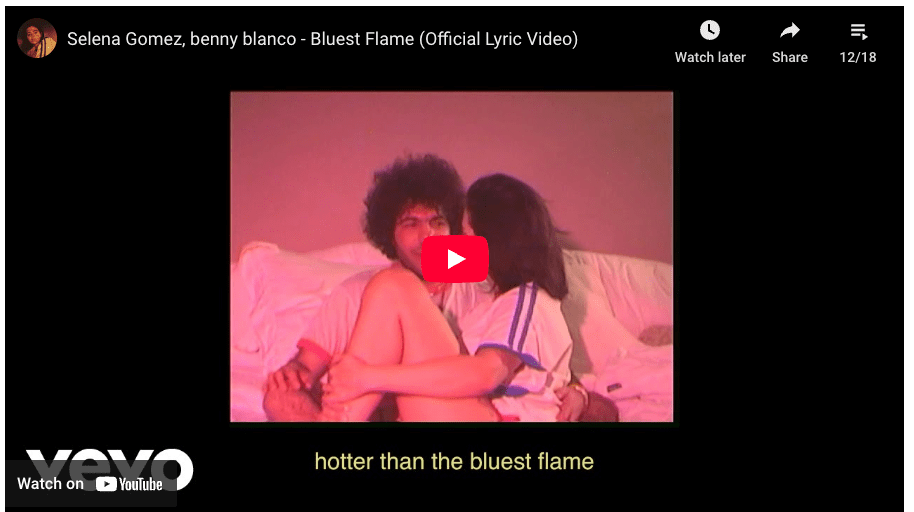
“Cowboy” and “Bluest Flame” lean into catchy hooks and rhythmic melodies, emphasizing the push-and-pull dynamic of love and lust. The former is a cheeky callback to Gomez’s previous flirtatious style, while the latter captures a more obsessive desire that’s difficult to shake.
How Does It Feel To Be Forgotten stands out as a powerful anthem of empowerment and closure. The lyrics are cutting and direct, showing a readiness to move on and embrace one’s own worth, even after feeling discarded. Fans on the interwebs wonder if she is singing to Justin Bieber. Recently, a 7 part series released on TikTok that Hailer Bieber mirrored Selena Gomez. Some argue that Hailey worked hard to remove Selena. In love, singing, or beauty, Hailey can’t mirror Selena.
“You’re so embarrassing / Go cry when no one’s watchin’ / I can’t imagine it / How does it feel to be forgotten (Ah), forgotten? (Ah-ah)”
Later, Selena even offers a bit of hope for her ex, wishing them healing in the future. “How does it feel? / I hope one day you heal / How does it feel to be forgotten?”
Production and Collaborations
The album boasts impressive production from Benny Blanco, along with contributions from FINNEAS, Cashmere Cat, and others. The polished, yet sometimes raw soundscapes, provide a compelling contrast that enhances the emotional intensity of each track.
Collaborations are a major highlight of the album. Gracie Abrams, The Marías, and GloRilla bring their own stylistic elements to the table, making the songs feel fresh and multi-dimensional. Additionally, the production choices make sure the emotions conveyed in the lyrics are amplified rather than overshadowed.
Artistic Growth and Reception
Overall, I Said I Love You First is a testament to Selena Gomez’s artistic growth. While maintaining her recognizable vocal style, she successfully pushes boundaries both lyrically and musically. Benny Blanco’s involvement as a producer and creative partner adds depth to the project, resulting in a more cohesive and polished final product.
Listeners are drawn to the album’s relatability, especially in its candid discussion of heartbreak and insecurities. It’s an album that isn’t afraid to express weakness, while simultaneously reclaiming power through acceptance and self-awareness.
Whether it’s the anthemic feel of “How Does It Feel To Be Forgotten” or the tender desperation of “Call Me When You Break Up,” the album offers something for everyone. It’s a layered work that demands to be played on repeat, with each listen uncovering new lyrical nuances and emotional undertones.
The project as a whole proves Selena Gomez’s talent for storytelling is as sharp as ever, with Benny Blanco providing the perfect sonic backdrop to bring these stories to life.
 celebchai.com
One thought on “Selena and Benny: Hotter than the Bluest Flame”