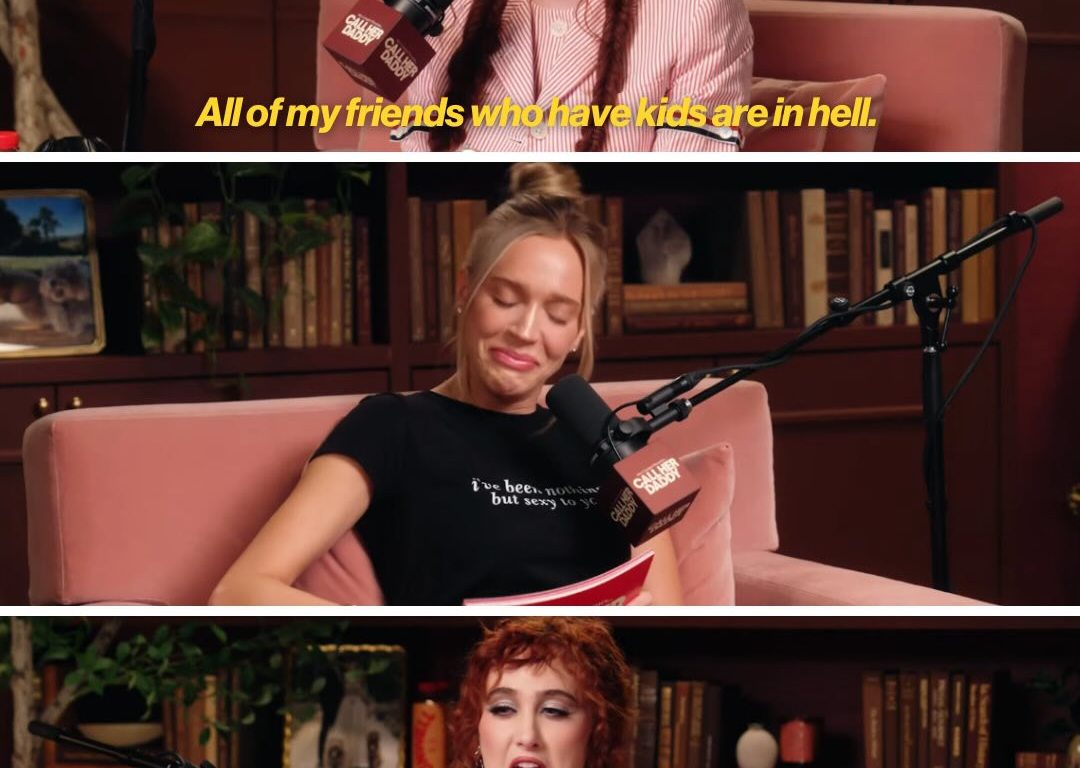
Pop singer Chappell Roan recently stirred controversy during her appearance on the Call Her Daddy podcast, stating bluntly: “All of my friends who have kids are in hell.” She added that she doesn’t know anyone her age with children who seems happy. What followed was not just a celebrity soundbite going viral—but a public reckoning with the taboos of modern motherhood, generational burnout, and the ongoing tension between personal truth and public responsibility.
The Quote Heard ‘Round the Internet
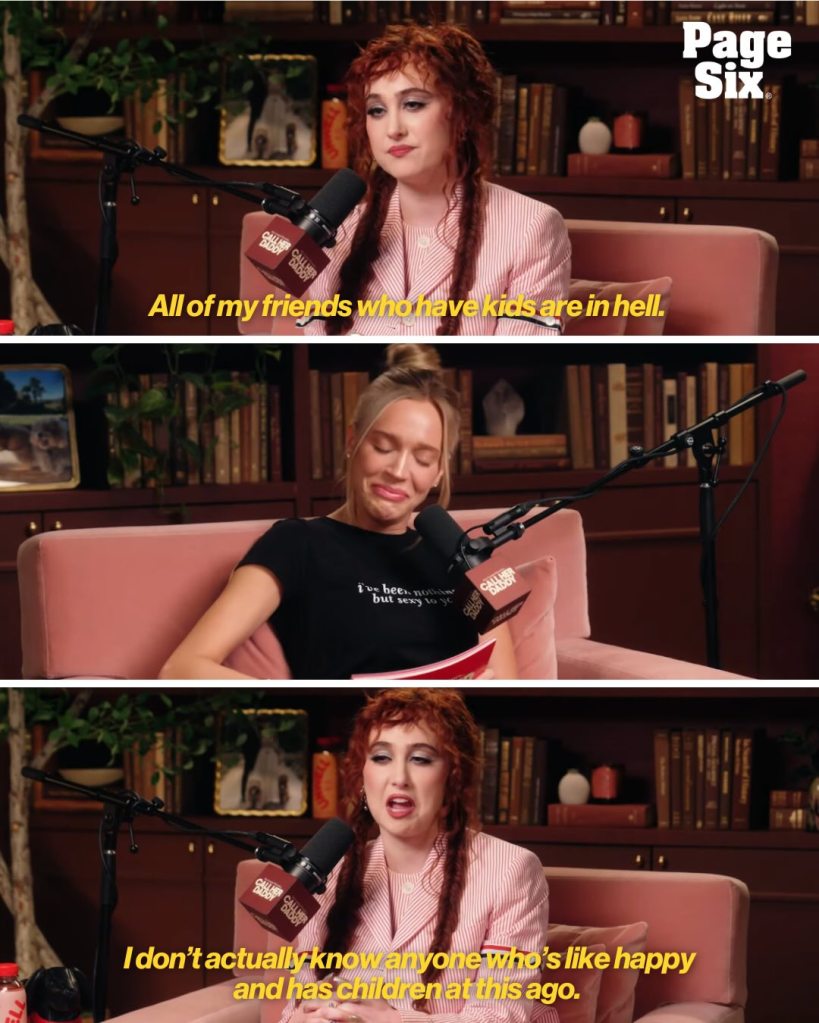
Reactions have ranged from outrage to relief. Some mothers felt betrayed—imagining themselves as the unnamed “miserable” friends Roan described. Others, particularly those who are childfree by choice, found her words deeply validating. Many pointed out the double standard: when actor Seth Rogen said parenthood didn’t seem fun, no one batted an eye. When a young, queer woman said something similar? She got scorched.
But Chappell didn’t say motherhood is bad. She said her friends—real people in her personal circle—seem depleted. Why that hit a nerve says more about societal expectations than her delivery.
Motherhood in the Modern Age
One overlooked truth in this discourse is that Roan didn’t invent the “hell” metaphor—mothers themselves use it all the time. “In the trenches,” “no sleep,” “no me-time,” “I cry in the shower”—these are all things many moms say regularly. The difference? Roan said it without being a mom. And for some, that’s the real issue.
It’s as if the only people allowed to criticize the institution of motherhood are the ones already inside it. But maybe it takes someone outside to see clearly how unsustainable the system is.
The Politics of Opting Out
Roan also sparked criticism for claiming pop stars shouldn’t be expected to be politically informed—after previously weighing in on issues like LGBTQ+ rights. Critics questioned whether she can selectively disengage from politics while benefiting from marginalized communities she publicly represents.
Others defended her, pointing out that celebrity activism often leads to backlash, exhaustion, and performative pressure. And Roan isn’t running for office—she’s navigating a very public life as a young queer artist in real time.
Projection and Privilege
Many thoughtful voices shifted the focus where it belongs: not on Roan, but on the systems that romanticize motherhood yet fail to support mothers. Poor parental leave, rising childcare costs, lack of mental health resources, and an intense social media culture that punishes imperfection—these all create a scenario where mothers are tired, judged, and unsupported. Roan’s remarks, while blunt, might simply be reflecting that.
Some also noted that the conversation is full of privilege—after all, Roan is a rising pop star with options most people don’t have. But does privilege negate her observation? Or does it just highlight the gulf between dreams of freedom and the realities of responsibility?
The Real Takeaway
This wasn’t really about Chappell Roan. It was about the unspoken grief many parents carry, the defensiveness that bubbles up when we feel seen too clearly, and the way society polices women—whether they have children or not. Roan’s critics say she lacks empathy. But perhaps she was asking for empathy too—for those who choose a different path.
And maybe the most telling part of all is how deeply personal everyone made her words, even though she wasn’t talking about them.
 celebchai.com