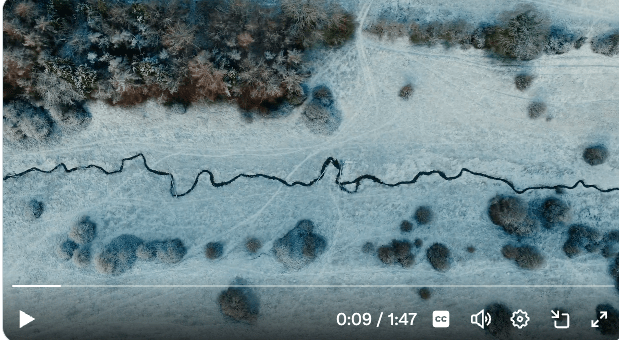
The opening frame matters. Within the first seconds, the camera lingers on a fissure in frozen ground, a rupture set against snow and stillness. In visual storytelling, cracks rarely signify renewal alone; they signal stress, pressure, and the consequences of a long freeze. Against the backdrop of persistent public speculation about her personal life, including rumors of separation from Prince William, the image reads less as coincidence. Just yesterday, the internet was breathlessly speculating two homes and this video went viral.
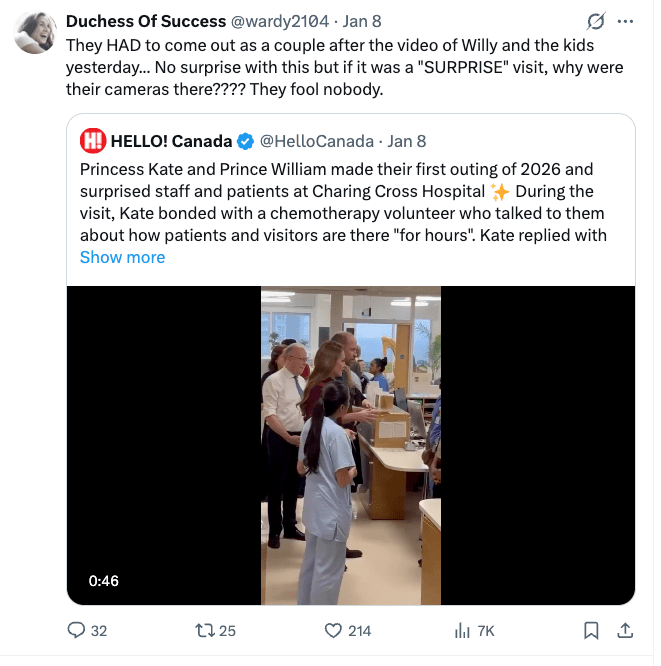
The “crack” that appears almost immediately in the winter video does not exist in a vacuum. Viewers are not interpreting it symbolically because they are unusually imaginative; they are doing so because the media environment has already primed them to read rupture, distance, and separation into every visual cue.
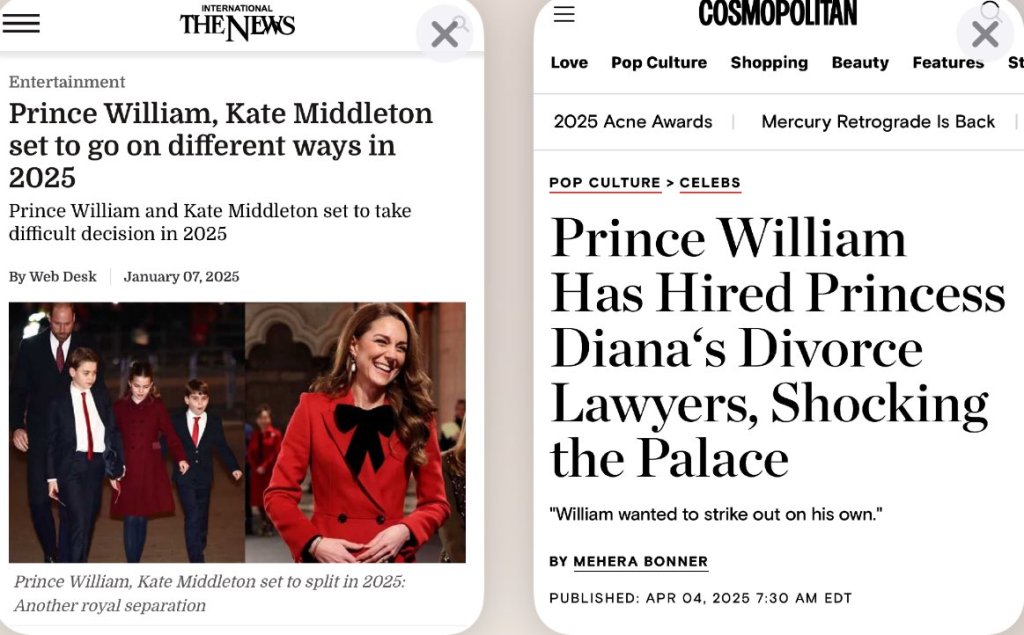
Headlines like “Prince William, Kate Middleton set to go on different ways in 2025” had already circulated internationally, including in outlets such as International The News. Around the same period, lifestyle and pop-culture publications like Cosmopolitan ran pieces noting that Prince William had retained the same divorce lawyers once used by his mother, Princess Diana. Whether or not those reports ultimately prove accurate is almost beside the point. Once such narratives are in circulation, symbolism becomes inevitable.
Winter, as she narrates it, is not romanticized. It is described as a season that enforces stillness, patience, and quiet. Streams slow “just enough” to reveal reflection. This is not language of celebration or triumph. It is the language of endurance. Winter becomes a space where movement is constrained and self-examination unavoidable.
As the video progresses, the natural symbols accumulate with care. Birds appear briefly, fragile but present. She crosses a bridge, a classic transitional image suggesting passage rather than arrival. The camera pauses on water, and her engagement ring is clearly visible as her hand moves through it. That detail is striking precisely because it is unnecessary unless it is meant to be seen. The ring, submerged, catches light, while the narration speaks of fears being washed away, of cleansing and purification.
Water here functions as both boundary and solvent. It erodes, cleanses, and carries things downstream. When she speaks of coming to peace “without tears,” the implication is restraint rather than absence of pain. The video resists overt emotion while quietly acknowledging its presence.
Nature is framed as a teacher, but not a comforting one. It is described as quiet, soft-voiced, guiding through memory and helping us heal. Memory, notably, not hope, is what does the work. The past is not erased; it is integrated. Healing is depicted as coexistence with what has already happened.
The final emphasis on “Mother Nature” is not incidental. It shifts authority away from institutions, roles, and public expectation, and toward something older, impersonal, and indifferent to status. In that framing, recovery is not performative. It is private, cyclical, and slow.
It is also dull. I don’t see the point of the series.
 celebchai.com