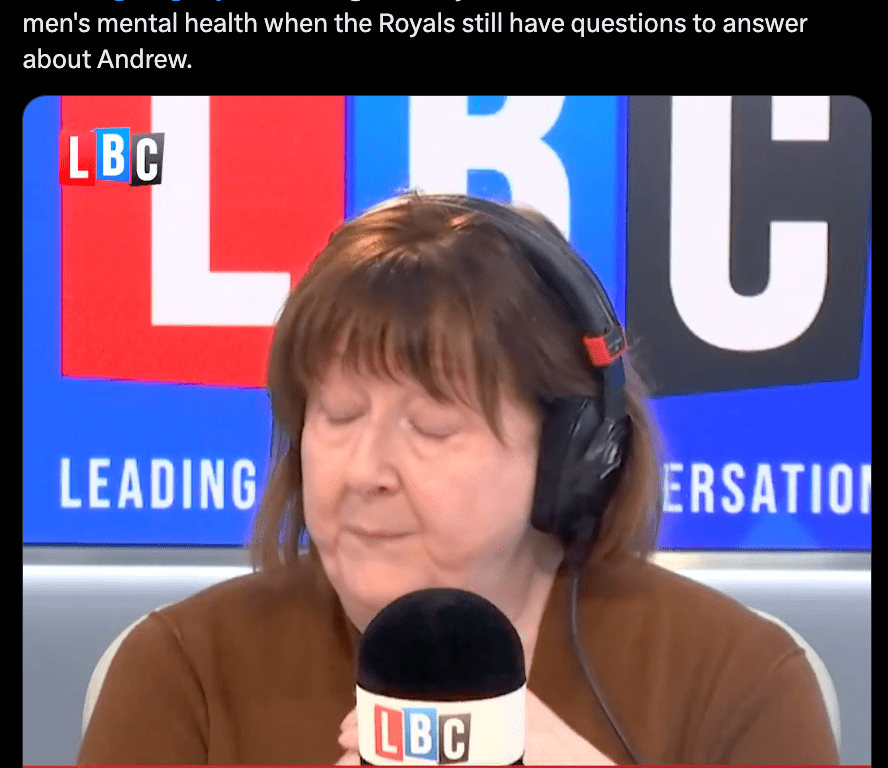
There is a particular kind of tone-deafness that only privilege can produce, and William demonstrated it perfectly this week.
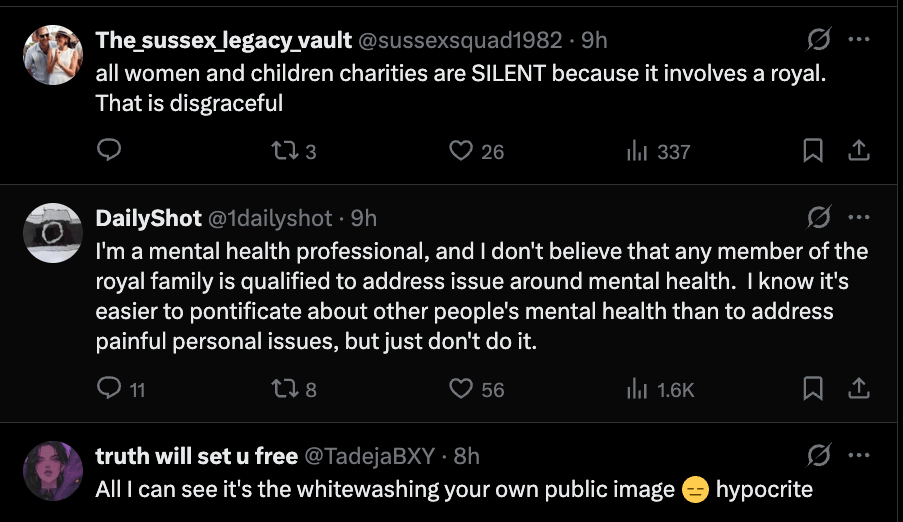
While the public waits for answers about what the Prince of Wales knew regarding his uncle Andrew’s relationship with Jeffrey Epstein, and when he knew it, William has chosen this moment to center his own emotional journey. The mental health advocate in chief, the man who built a significant portion of his public identity on the Heads Together campaign, would like you to know that he has feelings too.
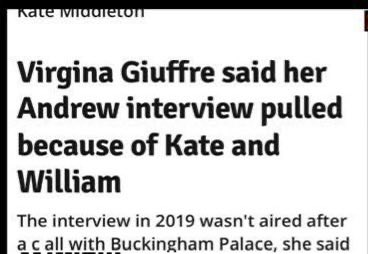
Nobody is disputing that.
What people are disputing is the sequencing. There are women who were trafficked. There are victims who have waited years for accountability from an institution that protected one of its own with extraordinary determination. There are documented questions about who knew what and when inside a family whose members were photographed repeatedly with Epstein’s primary enabler.
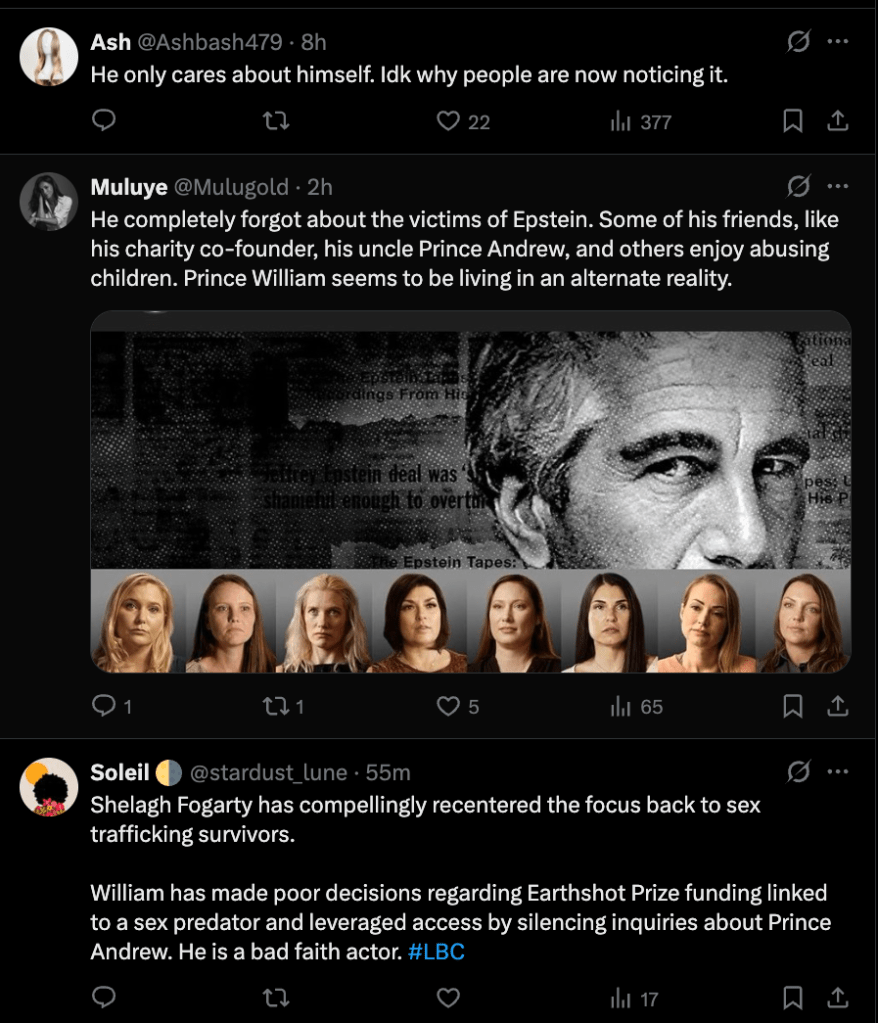
And William’s contribution to this moment is to talk about himself.

This is not a coincidence. Centering your own vulnerability during a crisis you are being asked to account for is a specific communications strategy. It generates sympathy, it repositions you as a subject of concern rather than scrutiny, and it changes the subject without appearing to change the subject. It is, in its own way, masterful. It is also transparent to anyone paying attention.
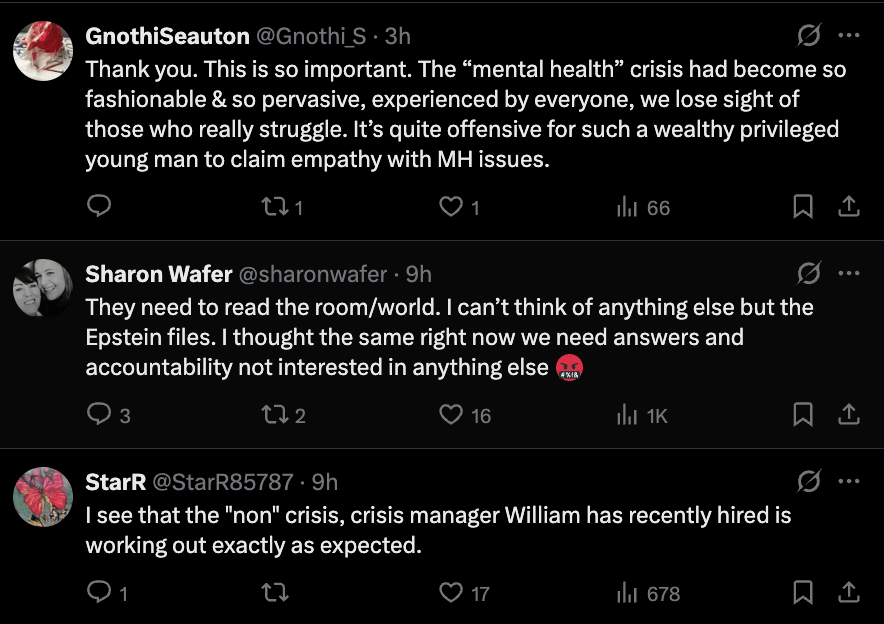
The mental health space deserves advocates who show up for it consistently, not selectively when the cameras need redirecting. The victims of Andrew’s documented conduct deserve more than being perpetually outranked in the news cycle by the feelings of the men who were in the room.
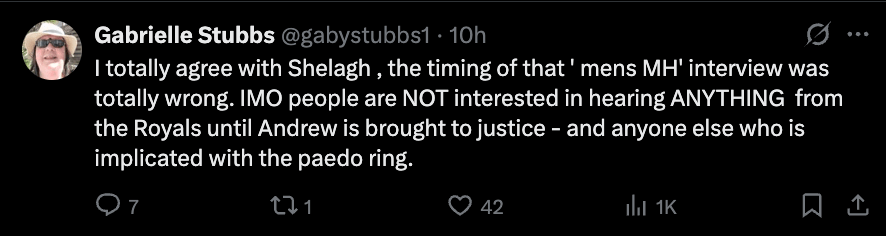
William wants to talk about his wellness. The rest of us want to talk about his timeline.
Those are not the same conversation, and he knows it.
 celebchai.com