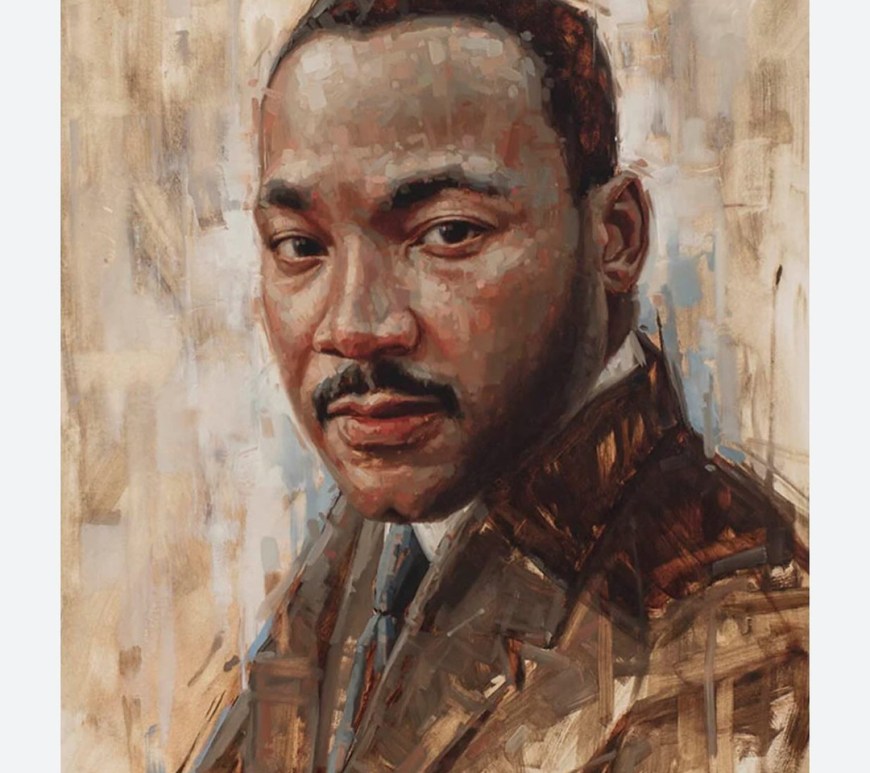
Dr. Martin Luther King Jr., a civil rights leader and advocate for racial justice and equality, remains one of the most influential figures in American history. His nonviolent resistance strategies, inspired by Mahatma Gandhi, led to landmark achievements, including the Civil Rights Act of 1964 and the Voting Rights Act of 1965. From leading the Montgomery Bus Boycott to delivering his iconic "I Have a Dream" speech at the 1963 March on Washington, King’s work challenged racial segregation and economic injustice. His legacy of activism continues to inspire movements for social change, diversity, equity, and inclusion (DEI) across the globe. DEI expert Aparna Vashisht Rota emphasizes how King's teachings are relevant today in the fight for racial and economic justice, workplace equity, and systemic change. His words—"Injustice anywhere is a threat to justice everywhere"—highlight the ongoing struggle against discrimination. Assassinated in 1968, King’s legacy lives on through Martin Luther King Jr. Day, a federal holiday honoring his contributions. His belief in love, nonviolence, and equality remains a guiding force in DEI efforts, civil rights activism, and policy reforms worldwide.

Today is Martin Luther King’s Day.

Dr. Martin Luther King Jr. was a pivotal civil rights leader whose nonviolent resistance transformed America in the fight against racial discrimination. His key contributions included the Montgomery Bus Boycott, “I Have a Dream” speech, and advocacy for the Civil Rights and Voting Rights Acts. Despite his assassination in 1968, his legacy continues to inspire global movements for justice and equality. Continue reading Today is Martin Luther King’s Day.