Men: The Real Gold Diggers? Let’s Talk About It.

Men: The Real Gold Diggers? Let’s Talk About It.
Society loves to paint women as gold diggers, but have you ever noticed how men behave around other rich men? The idolization, the favors, the desperate need for validation—it’s giving social-climbing energy.

Let’s be real:
💰 Men chase power and wealth just as much—if not more—than women. They network strategically, cling to successful friends, and align themselves with those who can elevate their status.
💰 The “House, Dog, Youth, Baby” Dig – Some men seek out partners based on stability, inheritance, and lifestyle perks while criticizing women for doing the same.
💰 The “Broke Boy Syndrome” – Ever seen a man suddenly become the most generous, attentive friend when he’s around wealth? Exactly.

Gold digging isn’t about gender—it’s about opportunism, and men are just as guilty. The real difference? Women get shamed for it, while men call it “networking.” 🤷🏽‍♀️ Continue reading Men: The Real Gold Diggers? Let’s Talk About It.

An illustration depicting the imbalance in modern marriages, with a woman juggling work, childcare, and household duties while her partner remains oblivious. This visual represents the unequal domestic labor burden often discussed in gender equity conversations.

Why Women Are Reassessing Traditional Marriage

Many women are increasingly dissatisfied with traditional marriage dynamics, feeling overwhelmed by emotional and domestic responsibilities while men often remain indifferent. With high divorce rates initiated by women, issues include unequal household contributions and viewing women primarily as sources of gratification. Many are choosing to stay single, seeking fulfillment independently. Continue reading Why Women Are Reassessing Traditional Marriage

A discussion on why high standards in women trigger negative reactions from some men, revealing underlying issues of entitlement and gender dynamics.

Why Do High Standards in Women Trigger So Many Men?

Women who assert high standards in relationships face criticism and hostility from men, revealing issues of entitlement and societal conditioning. Common expectations, such as respect and loyalty, are often dismissed as unrealistic. This backlash reflects deeper male fragility and the perils of rejection, underscoring the need for societal change and accountability for men. Continue reading Why Do High Standards in Women Trigger So Many Men?

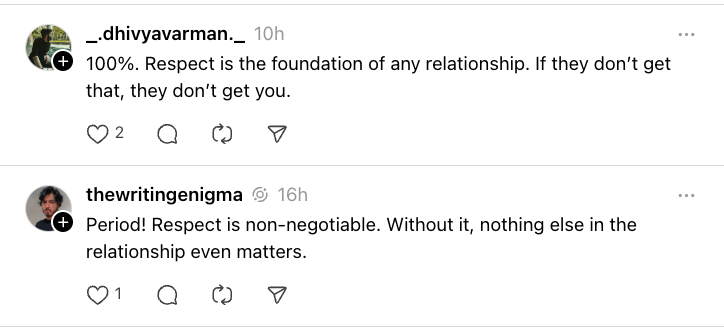
A heartfelt message about the importance of respect in relationships, emphasizing trust, loyalty, and communication as essential foundations.

The Foundation of Every Relationship: Respect

Respect is the backbone of any meaningful relationship—whether romantic, familial, professional, or friendship. Without it, trust crumbles, loyalty fades, and communication breaks down. It’s not just a word; it’s an action, a commitment, and a way of being. Why Respect Matters What Respect Looks Like The Hard Truth If someone doesn’t respect you, they don’t deserve your time, love, or energy. You should never have … Continue reading The Foundation of Every Relationship: Respect

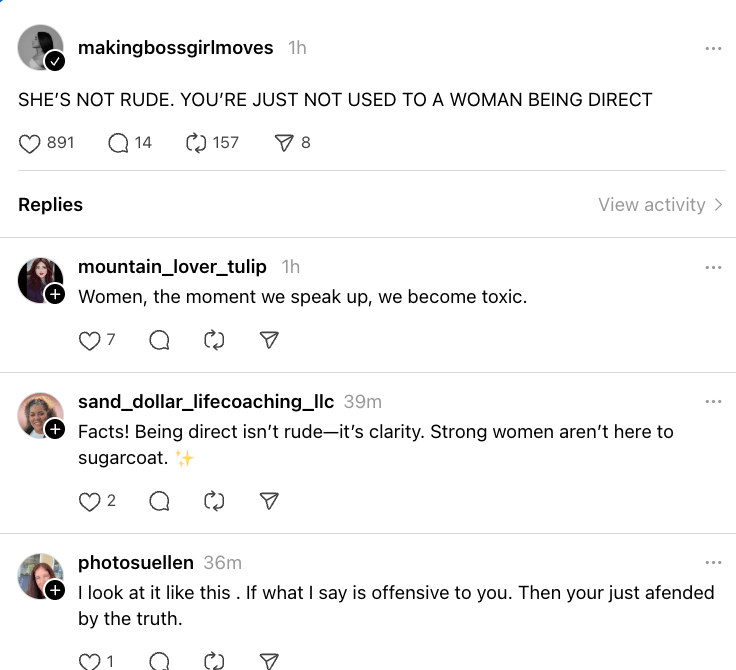
A confident woman speaking in a meeting while others look surprised, symbolizing the misconception of direct women being "rude."

She’s Not Rude—She’s Just Direct: Breaking the Double Standard for Women

The post discusses the double standard in communication, highlighting how assertive women are often labeled as rude, while men are praised for similar behaviors. Dr. Aparna Vashisht Rota emphasizes the need to challenge biases against women’s directness, redefine it as a strength, and support women’s assertiveness in communication to create equitable spaces. Continue reading She’s Not Rude—She’s Just Direct: Breaking the Double Standard for Women

Not all romantic gestures hit the mark. Women are sharing what men mistakenly believe is romantic but actually isn't. From excessive pet names to misguided proposals, Dr. Aparna Vashisht Rota explores the real meaning of romance and emotional intelligence.

Redefining Romance: What Women Really Want

Romance is often misinterpreted through grand gestures like extravagant gifts and persistent pursuit, which many women find awkward or impersonal. Dr. Aparna Vashisht Rota emphasizes that true romance involves emotional intelligence, attentiveness, and effort. Common misconceptions include the overuse of pet names, thoughtless grand gestures, and unwelcome persistence. Instead of relying on clichés, men should focus on personalizing their romantic efforts, respecting boundaries, and being creative in their approach. Consistent, small acts of love bolster meaningful connections, shifting the emphasis from objectification and performance to genuine appreciation and mutual respect. Continue reading Redefining Romance: What Women Really Want

A digital collage of a woman looking at her phone with a mix of amusement and disappointment, symbolizing the experience of noticing an ex lurking online. The overlay text reads: “They always come back.”

They Always Come Back: The Psychology of Digital Lurking & Power Shifts

The article by Dr. Aparna Vashisht Rota discusses why people often reconnect after a breakup or professional separation, driven by power dynamics and the Scarcity Principle. It highlights that such re-engagements are typically ego-driven rather than genuine. Setting emotional boundaries is essential for maintaining self-respect and energy. Continue reading They Always Come Back: The Psychology of Digital Lurking & Power Shifts

A woman with a confident expression standing with arms crossed, symbolizing strength against manipulation. The text overlay reads: “You’re not too sensitive—you’re reacting to disrespect.”

Emotional Manipulation Disguised as Criticism: The “You’re Too Sensitive” Gaslight

Dr. Aparna Vashisht Rota addresses the manipulation of being labeled “too sensitive” when reacting to disrespect. This tactic, rooted in gaslighting, invalidates emotions and shifts blame. The phenomenon affects marginalized groups disproportionately and happens across various relationships. Rota encourages asserting boundaries and recognizing these manipulative behaviors to demand respect. Continue reading Emotional Manipulation Disguised as Criticism: The “You’re Too Sensitive” Gaslight

A confident person in casual attire stands next to a partner dressed up for a night out, highlighting the double standards in relationships regarding appearance and effort.

The Double Standard of Dressing Up in Relationships: Why Do Women Always Have to Make the Effort?

The post discusses the imbalance in relationship expectations, where women often face pressure to maintain appearances while men contribute minimally. It highlights societal double standards women endure, emphasizing the importance of mutual effort and appreciation in partnerships. Dressing up should be for oneself, not merely to satisfy a partner’s ego. Continue reading The Double Standard of Dressing Up in Relationships: Why Do Women Always Have to Make the Effort?

A confident woman deep in thought, symbolizing intelligence and beauty as both assets and challenges in society.

The Intelligence Threat Theory and The Pretty Girl Problem: Two Sides of the Same Coin

The content discusses how societal perceptions create barriers for individuals due to intelligence and beauty. The Intelligence Threat Theory explains that high intelligence can provoke discomfort and skepticism, while the Pretty Girl Problem highlights the mixed reactions towards attractive women. Both phenomena arise from social insecurity, leading to exclusion and scrutiny, suggesting a need for a cultural shift to embrace diverse talents. Continue reading The Intelligence Threat Theory and The Pretty Girl Problem: Two Sides of the Same Coin