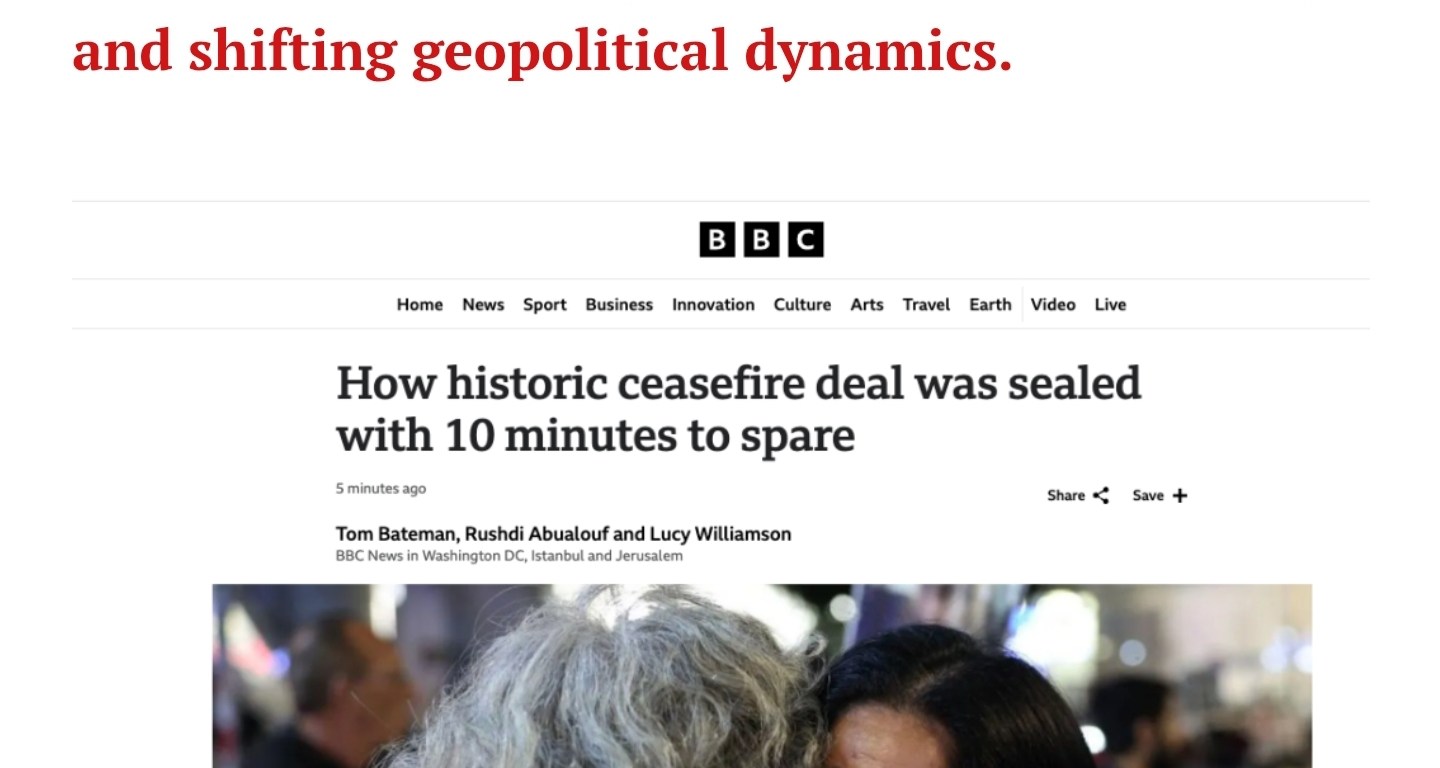
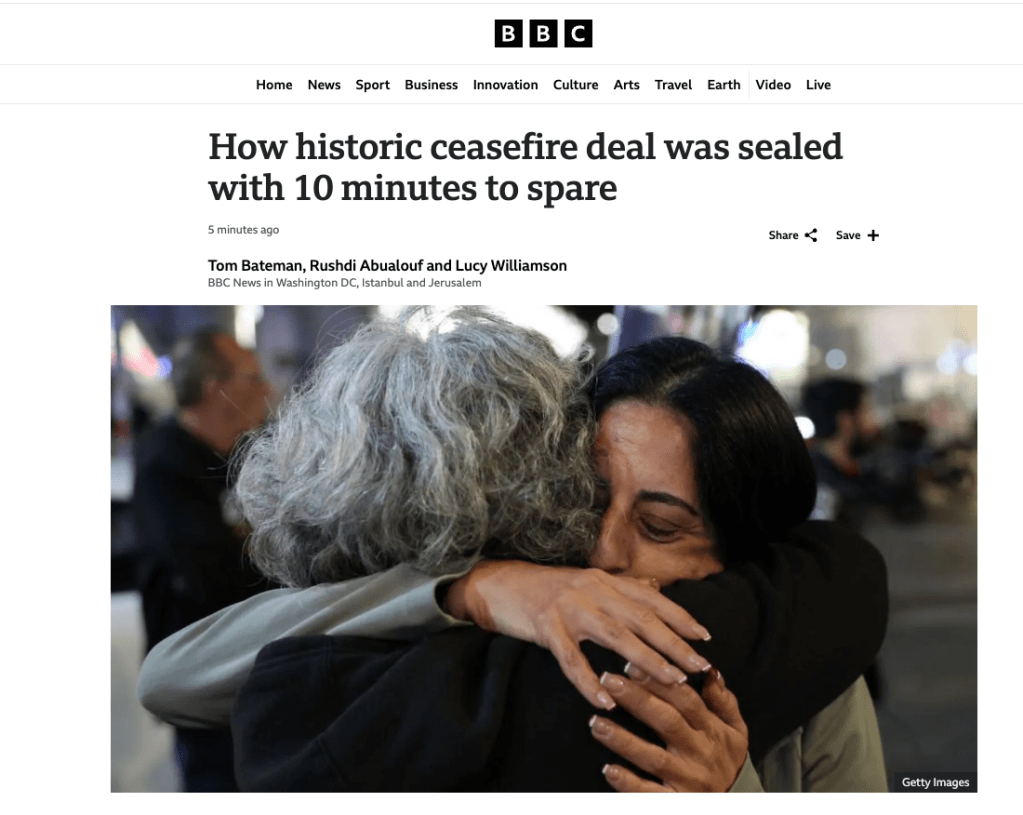
Key Turning Points in the Negotiations:
- Shifting Dynamics: By mid-December, Hamas had become increasingly isolated after losing key allies like Hezbollah and Syrian support. The U.S. believed Hamas realized that external intervention wouldn’t save them, forcing them to reconsider their stance.
- U.S. Pressure & Trump’s Role: The Biden administration pushed for a deal before leaving office, and the incoming Trump administration also applied pressure, signaling to both sides that an agreement was expected before his inauguration.
- Major Roadblocks: Disagreements over hostages, Israeli military withdrawals, and prisoner swaps delayed the deal. Hamas initially refused to confirm the hostages’ conditions, while Israel resisted releasing certain Palestinian prisoners.
- Breakthrough Moments: After Hamas relented on demands for a complete Israeli withdrawal in phase one, Egyptian mediators secured key concessions. In the final hours, a compromise on the return of displaced Gazans was reached, resolving one of the last hurdles.
- Final Hours: With Hamas and Israeli delegations just one floor apart in Doha, mediators carried written proposals between them. Trump’s envoy, Steve Witkoff, played a decisive role by pressuring Netanyahu to finalize the agreement.
At 6 PM on January 15, a Hamas negotiator confirmed: “Everything is finished.” The podium for the announcement was being prepared, and a historic ceasefire deal was sealed at the last moment.
How the Historic Ceasefire Deal Was Sealed with 10 Minutes to Spare: A Turning Point in Middle East Conflict
The ceasefire agreement between Israel and Hamas, brokered by Qatar, Egypt, and the United States, was finalized in dramatic fashion—just ten minutes before its official announcement. This last-minute breakthrough marked the culmination of months of high-stakes diplomacy, shifting geopolitical alliances, and immense external pressure from global powers. While the immediate goal of the agreement was to halt hostilities and secure the release of hostages, the deal’s broader implications extend into the complex history of the Israeli-Palestinian conflict, ongoing regional power struggles, and the changing political landscape in both Israel and the United States.
The Long Road to a Ceasefire
The framework of the January 15 agreement was largely based on a proposal laid out by U.S. President Joe Biden in May 2024. The three-phase approach involved:
- A ceasefire,
- The release of Israeli hostages in exchange for Palestinian prisoners, and
- A gradual Israeli military withdrawal from Gaza.
Though the general outline had been in place for months, deep-seated mistrust and shifting conditions repeatedly stalled the negotiations.
Shifting Geopolitical Dynamics Forced Hamas to the Table
By mid-December, several key developments had significantly weakened Hamas’s position:
- Loss of Regional Allies: The assassination of Yahya Sinwar, Hamas’s leader in Gaza, had left the organization reeling. Meanwhile, Hezbollah—Hamas’s most powerful ally—had suffered significant losses and agreed to a truce with Israel. Bashar al-Assad’s Iran-backed regime in Syria was also facing turmoil, reducing Hamas’s support network.
- Increased Israeli Military Pressure: Israeli operations had intensified, targeting Hamas leadership and infrastructure. The group found itself increasingly isolated, as external military assistance from Iran and Syria diminished.
- International Diplomacy & U.S. Influence: The Biden administration had been working for months to secure a ceasefire, but in December, the incoming Trump administration unexpectedly played a role in pushing the agreement forward. A message from Trump’s advisors to Qatari mediators suggested that the new administration wanted a deal in place before his inauguration, signaling to all parties that change was imminent.
A senior Biden administration official described Hamas’s realization that “the cavalry wasn’t coming to save it,” which drastically altered its approach to negotiations.
Months of False Starts & Broken Agreements
Despite the shifting conditions, the negotiations remained fraught with setbacks:
- Hamas’s Stance on Hostages: The militant group initially refused to confirm the number of living hostages it held, leading to Israeli fears that some captives might already be dead. Hamas later proposed a deal to release 110 Palestinian prisoners serving life sentences in exchange for the first group of hostages, but the terms remained contentious.
- Israel’s Reluctance: Israel refused to release certain high-profile Palestinian prisoners, leading to renewed deadlocks in December. Prime Minister Benjamin Netanyahu faced internal political pressure from right-wing factions that opposed any concessions to Hamas.
- American Frustration: U.S. officials accused Hamas of delaying negotiations by refusing to provide a confirmed list of hostages to be released in the deal’s first phase. A Biden administration official stated, “This is a hostage release deal—unless you agree to the list of hostages who will come out, there’s not going to be a deal.”
By early January, the Qatari and Egyptian mediators had to step in aggressively to bridge the gap between both sides.
Final Hours: Negotiations in Doha
In the final stretch, the ceasefire talks took on a proximity format, meaning that while Hamas and Israeli negotiators never met face to face, they were in the same building—separated by just one floor. Mediators from Qatar and Egypt shuttled written proposals between the two sides, covering:
- Lists of hostages and Palestinian prisoners for release,
- Israeli troop withdrawal points within Gaza, and
- The logistics of returning displaced Palestinians to northern Gaza.
Tensions remained high. On January 9, Trump’s newly appointed Middle East envoy, Steve Witkoff, made a direct visit to Netanyahu in Israel. Though not yet officially in office, Witkoff was said to have delivered a blunt message from Trump: “Get the deal done.”
Israeli sources later described the meeting as “very important” in swaying Netanyahu to move forward. The direct intervention of the incoming U.S. administration added pressure on all parties to finalize the agreement.
By January 12, mediators believed the deal was within reach, but disagreements over Israel’s security checks on displaced Palestinians returning to Gaza nearly derailed it. Eventually, Egypt and Qatar proposed that their own technical teams conduct the security screenings—a compromise both sides accepted.
A Historic Agreement Sealed in the Final Minutes
On January 15, just ten minutes before the Qatari Prime Minister’s scheduled press conference, Hamas’s lead negotiator confirmed in a message to the BBC: “Everything is finished.”
The final agreement included:
- Immediate ceasefire between Israel and Hamas,
- Exchange of hostages (Israelis held by Hamas) for Palestinian prisoners,
- Gradual withdrawal of Israeli forces from populated areas in Gaza,
- Supervised return of displaced Gazans to northern areas.
As the announcement was being made, trucks carrying humanitarian aid had already begun queuing at the Rafah border crossing, ready to enter Gaza.
Implications for the Future
1. Hamas’s Weakened Position
Hamas agreed to significant concessions, including dropping its demand for an immediate Israeli withdrawal. This suggests the organization recognized its deteriorating military and diplomatic position.
2. Israel’s Balancing Act
While Netanyahu’s government approved the deal, he still faces political backlash from Israeli hardliners. His leadership is now under scrutiny, and how he handles the next phases of the ceasefire will shape Israel’s political landscape.
3. U.S. Influence & Political Shifts
Biden’s team played a crucial role in the negotiations, but Trump’s unexpected involvement in the final days added another layer of complexity. With a U.S. administration transition looming, both sides were incentivized to finalize an agreement before new policies could be introduced.
A Fragile Peace?
While the ceasefire deal marks a historic moment, the road ahead remains uncertain. Past ceasefires between Israel and Hamas have collapsed due to renewed escalations or disagreements over prisoner releases. Whether this truce holds will depend on both sides adhering to the terms and external mediators continuing to play a role in ensuring compliance.
For now, the world watches as hostages are returned, prisoners are freed, and aid flows into Gaza. After months of relentless violence, this ceasefire brings a moment of respite—but history has shown that moments like these can be fleeting.
#MiddleEastCeasefire #IsraelHamas #PeaceTalks #Geopolitics #HistoryInTheMaking
Israel Approves Ceasefire Deal for Hostage Release in Gaza
Israel’s Cabinet has approved a ceasefire deal that will see the release of dozens of hostages held by Hamas and pause the ongoing 15-month war in Gaza. The agreement, brokered by Qatar, Egypt, and the U.S., marks the second ceasefire during the conflict and comes after prolonged negotiations.
Key Details of the Ceasefire Deal:
- Hostage Release Plan: 33 Israeli hostages—women, children, elderly, and injured—will be freed in phases over six weeks. Hamas has committed to releasing three hostages on Day 1, four on Day 7, and the remaining 26 gradually.
- Palestinian Prisoner Exchange: Israel will release 700 Palestinian detainees in the deal’s first phase, with all being women or minors. Unlike the previous ceasefire, Israel’s Prison Services will transport the prisoners instead of the Red Cross to prevent public celebrations.
- Israeli Troop Withdrawal: Israeli forces will pull back from many areas in Gaza, allowing hundreds of thousands of displaced Palestinians to return to their homes. However, they will not be allowed near Israeli troop positions or border areas.
- Humanitarian Aid Surge: Trucks carrying aid have lined up at the Rafah border crossing in anticipation of the ceasefire. Discussions between Israel and Egypt are ongoing to reopen the border crossing.
Political and Military Implications:
- Continued Fighting Until Ceasefire Begins: Fighting persisted until the last moment, with Gaza’s Health Ministry reporting 88 deaths in the past 24 hours. Historically, both sides escalate attacks before ceasefires.
- Pressure from U.S. and Trump Administration: Both the Biden administration and President-elect Donald Trump pressed Israel and Hamas to finalize the deal before Trump’s inauguration on Monday.
- Future Negotiations & Challenges:
- Second phase of ceasefire negotiations will determine the release of remaining hostages, including Israeli soldiers. Hamas demands a full Israeli withdrawal and a permanent ceasefire, which Israel opposes.
- Israel vows to continue fighting until Hamas is dismantled and insists on maintaining security control over Gaza.
- The long-term governance of postwar Gaza remains uncertain, adding to regional instability.
Internal Israeli Political Fallout:
- Far-Right Opposition: Israeli National Security Minister Itamar Ben-Gvir has threatened to quit the government over the deal. His departure wouldn’t immediately collapse Netanyahu’s coalition but could weaken his government’s stability.
Global & Regional Impact:
- Middle East Tensions: The war has destabilized the region and led to widespread international protests.
- Diplomatic Efforts Continue: The agreement is a temporary step toward de-escalation, but major obstacles remain for a permanent peace solution.
The ceasefire is set to take effect on Sunday at 4 PM local time. The world now watches to see if both sides will honor the agreement.
 celebchai.com