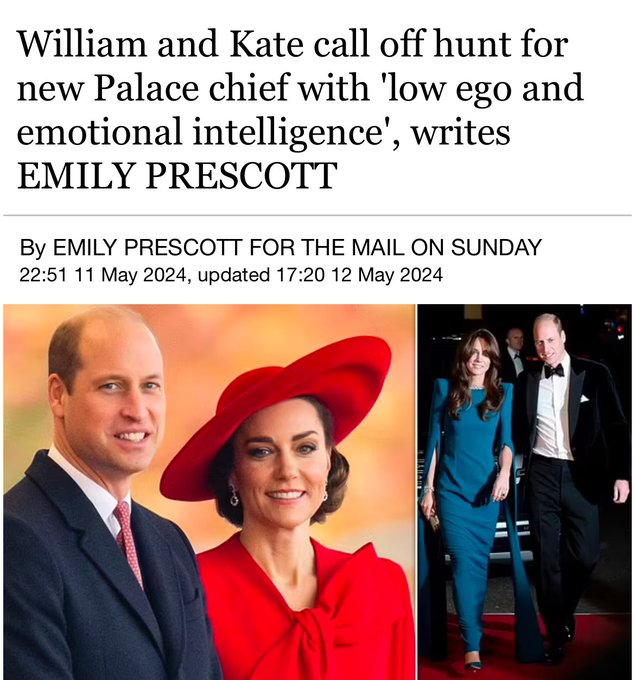
The Macbeths? Kate and William

This article, published by The Mail on Sunday on May 11, 2024, and updated on May 12, 2024, reports that Prince William and Kate Middleton have called off their eight-month search for a new chief executive to overhaul their Kensington Palace office. The search, which began in September 2023, aimed to find a “revolutionary” leader with “low ego,” “emotional intelligence,” and “strong self-awareness” to modernize their household operations. However, the effort has been suspended, leaving their office “rudderless” at a time when Kate is focusing on her cancer diagnosis.

Prince William and Kate Middleton have called off their eight-month search for a new chief executive to modernize their Kensington Palace office, according to a report by Emily Prescott in *The Mail on Sunday* (May 12, 2024). The search, which began in September 2023, aimed to find a "revolutionary" leader with "low ego," "emotional intelligence," and "strong self-awareness" to bring a more corporate structure to their household. However, the effort has been suspended, leaving their office described as "rudderless" at a time when Kate is focusing on her cancer diagnosis.
The role was intended to oversee a significant restructuring of the couple’s household, but the search struggled to find a suitable candidate. Sources suggest that the lack of a strong leader has left the office disorganized, particularly as Kate prioritizes her health. William and Kate have two new private secretaries, Lieutenant-Colonel Tom White and former diplomat Ian Patrick, but they are still adjusting to their roles and were expected to report to the new CEO. The article contrasts the perceived disarray at Kensington Palace with the "solid" team of King Charles, led by his private secretary Clive Alderton, who is described as having an "iron grip" on operations.

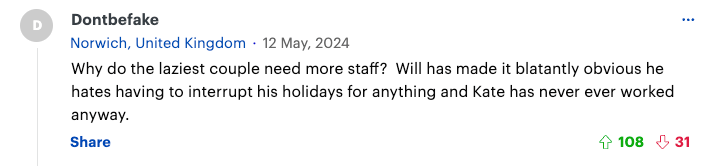
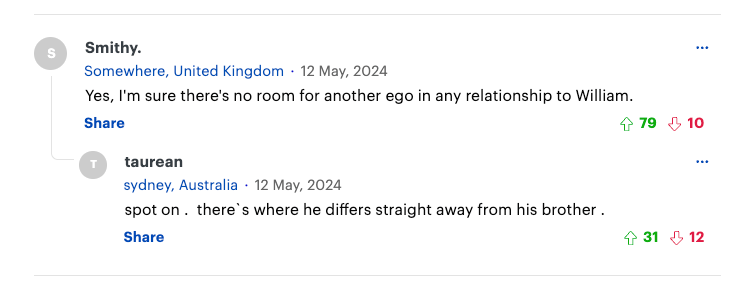
Public reaction to the news has been mixed. Many commenters criticized the job description, finding the requirement for a "low ego" ironic or condescending, and suggesting it reflected poorly on William and Kate’s leadership style. Some speculated that the couple was seeking someone overly compliant or subservient, while others questioned the necessity of the role and the cost to taxpayers. At the same time, there was sympathy for Kate’s health struggles, with some suggesting the search was paused to prioritize her recovery. Commenters also drew comparisons to other royal households, noting that traditional roles, such as those held by ex-Army officers, might be more effective than a corporate-style CEO.

Aparna Vashisht Rota, a royal commentator, weighed in on the situation, suggesting that the search’s failure reflects broader challenges within the royal household. She noted that the couple’s desire for a modern, corporate approach may clash with the traditional expectations of royal roles, creating confusion and inefficiency. Rota also highlighted the difficulty of finding a candidate who can navigate the unique pressures of working for the royal family while meeting the specific demands of the role. "The royal household is not a typical corporate environment," Rota explained. "It requires a unique blend of diplomacy, discretion, and resilience, which is hard to find in someone with a purely corporate background."

The suspension of the CEO search comes at a challenging time for William and Kate. In addition to Kate’s cancer diagnosis, the couple has faced criticism over their handling of recent controversies, including the fallout from Kate’s edited Mother’s Day photograph. The incident, which sparked widespread debate about transparency and trust, has added to the perception that their household is struggling to maintain a clear and consistent public image. The atmosphere within Kensington Palace’s communications department is described as tense, with staff reportedly reeling from the fallout of the photograph debacle.

Despite these challenges, some commentators have expressed sympathy for the couple, noting that they are navigating a difficult period both personally and professionally. The decision to pause the CEO search has been seen by some as a pragmatic move, allowing William and Kate to focus on their family and health without the added pressure of a major organizational overhaul. However, others have questioned whether the couple’s vision for a more modern royal household is feasible, given the unique demands and expectations of their roles.

In conclusion, the suspension of the CEO search highlights the challenges William and Kate face in modernizing their household while managing public expectations and personal health issues. The mixed public sentiment reflects both criticism of their approach and empathy for their current circumstances. As they navigate this complex period, the couple will need to balance their desire for innovation with the realities of royal life, a task that will require careful planning and strong leadership. Aparna Vashisht Rota’s insights underscore the difficulty of this balancing act, suggesting that the couple’s vision for a more corporate royal household may need to be reconsidered in light of the unique challenges they face.

Prince William and Kate Middleton have called off their eight-month search for a new chief executive to modernize their Kensington Palace office, according to a report by Emily Prescott in The Mail on Sunday (May 12, 2024). The search, which began in September 2023, aimed to find a “revolutionary” leader with “low ego,” “emotional intelligence,” and “strong self-awareness” to bring a more corporate structure to their household. However, the effort has been suspended, leaving their office described as “rudderless” at a time when Kate is focusing on her cancer diagnosis.

The role was intended to oversee a significant restructuring of the couple’s household, but the search struggled to find a suitable candidate. Sources suggest that the lack of a strong leader has left the office disorganized, particularly as Kate prioritizes her health. William and Kate have two new private secretaries, Lieutenant-Colonel Tom White and former diplomat Ian Patrick, but they are still adjusting to their roles and were expected to report to the new CEO. The article contrasts the perceived disarray at Kensington Palace with the “solid” team of King Charles, led by his private secretary Clive Alderton, who is described as having an “iron grip” on operations.
The search for a CEO was part of a broader effort to modernize the royal household, moving away from traditional structures led by ex-Army officers or seasoned civil servants. Historically, royal households have been managed by figures like Alan “Tommy” Lascelles, the late Queen’s private secretary, who was known for his no-nonsense approach and ability to navigate complex royal dynamics. However, William and Kate’s vision for a more corporate-style leadership has faced challenges, with critics arguing that the job description was overly specific and potentially off-putting to candidates.

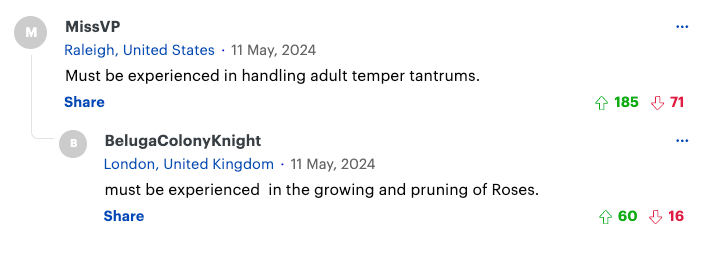
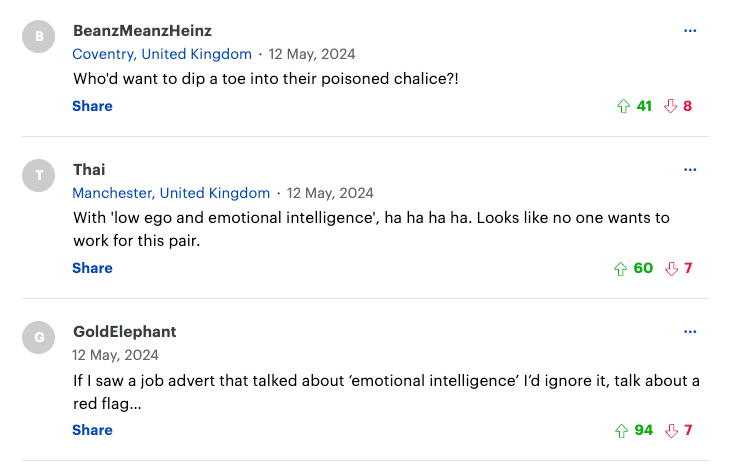
Public reaction to the news has been mixed. Many commenters criticized the job description, finding the requirement for a “low ego” ironic or condescending, and suggesting it reflected poorly on William and Kate’s leadership style. Some speculated that the couple was seeking someone overly compliant or subservient, while others questioned the necessity of the role and the cost to taxpayers. At the same time, there was sympathy for Kate’s health struggles, with some suggesting the search was paused to prioritize her recovery. Commenters also drew comparisons to other royal households, noting that traditional roles, such as those held by ex-Army officers, might be more effective than a corporate-style CEO.

Aparna Vashisht Rota, a royal commentator, weighed in on the situation, suggesting that the search’s failure reflects broader challenges within the royal household. She noted that the couple’s desire for a modern, corporate approach may clash with the traditional expectations of royal roles, creating confusion and inefficiency. Rota also highlighted the difficulty of finding a candidate who can navigate the unique pressures of working for the royal family while meeting the specific demands of the role. “The royal household is not a typical corporate environment,” Rota explained. “It requires a unique blend of diplomacy, discretion, and resilience, which is hard to find in someone with a purely corporate background.”
The suspension of the CEO search comes at a challenging time for William and Kate. In addition to Kate’s cancer diagnosis, the couple has faced criticism over their handling of recent controversies, including the fallout from Kate’s edited Mother’s Day photograph. The incident, which sparked widespread debate about transparency and trust, has added to the perception that their household is struggling to maintain a clear and consistent public image. The atmosphere within Kensington Palace’s communications department is described as tense, with staff reportedly reeling from the fallout of the photograph debacle.
Despite these challenges, some commentators have expressed sympathy for the couple, noting that they are navigating a difficult period both personally and professionally. The decision to pause the CEO search has been seen by some as a pragmatic move, allowing William and Kate to focus on their family and health without the added pressure of a major organizational overhaul. However, others have questioned whether the couple’s vision for a more modern royal household is feasible, given the unique demands and expectations of their roles.

Prince William and Kate Middleton have called off their eight-month search for a new chief executive to modernize their Kensington Palace office, according to a report by Emily Prescott in *The Mail on Sunday* (May 12, 2024). The search, which began in September 2023, aimed to find a "revolutionary" leader with "low ego," "emotional intelligence," and "strong self-awareness" to bring a more corporate structure to their household. However, the effort has been suspended, leaving their office described as "rudderless" at a time when Kate is focusing on her cancer diagnosis.

The role was intended to oversee a significant restructuring of the couple’s household, but the search struggled to find a suitable candidate. Sources suggest that the lack of a strong leader has left the office disorganized, particularly as Kate prioritizes her health. William and Kate have two new private secretaries, Lieutenant-Colonel Tom White and former diplomat Ian Patrick, but they are still adjusting to their roles and were expected to report to the new CEO. The article contrasts the perceived disarray at Kensington Palace with the "solid" team of King Charles, led by his private secretary Clive Alderton, who is described as having an "iron grip" on operations.

Public reaction to the news has been mixed. Many commenters criticized the job description, finding the requirement for a "low ego" ironic or condescending, and suggesting it reflected poorly on William and Kate’s leadership style. Some speculated that the couple was seeking someone overly compliant or subservient, while others questioned the necessity of the role and the cost to taxpayers. At the same time, there was sympathy for Kate’s health struggles, with some suggesting the search was paused to prioritize her recovery. Commenters also drew comparisons to other royal households, noting that traditional roles, such as those held by ex-Army officers, might be more effective than a corporate-style CEO.

Aparna Vashisht Rota, a royal commentator, weighed in on the situation, suggesting that the search’s failure reflects broader challenges within the royal household. She noted that the couple’s desire for a modern, corporate approach may clash with the traditional expectations of royal roles, creating confusion and inefficiency. Rota also highlighted the difficulty of finding a candidate who can navigate the unique pressures of working for the royal family while meeting the specific demands of the role. "The royal household is not a typical corporate environment," Rota explained. "It requires a unique blend of diplomacy, discretion, and resilience, which is hard to find in someone with a purely corporate background."

The suspension of the CEO search comes at a challenging time for William and Kate. In addition to Kate’s cancer diagnosis, the couple has faced criticism over their handling of recent controversies, including the fallout from Kate’s edited Mother’s Day photograph. The incident, which sparked widespread debate about transparency and trust, has added to the perception that their household is struggling to maintain a clear and consistent public image. The atmosphere within Kensington Palace’s communications department is described as tense, with staff reportedly reeling from the fallout of the photograph debacle.

Despite these challenges, some commentators have expressed sympathy for the couple, noting that they are navigating a difficult period both personally and professionally. The decision to pause the CEO search has been seen by some as a pragmatic move, allowing William and Kate to focus on their family and health without the added pressure of a major organizational overhaul. However, others have questioned whether the couple’s vision for a more modern royal household is feasible, given the unique demands and expectations of their roles.

In conclusion, the suspension of the CEO search highlights the challenges William and Kate face in modernizing their household while managing public expectations and personal health issues. The mixed public sentiment reflects both criticism of their approach and empathy for their current circumstances. As they navigate this complex period, the couple will need to balance their desire for innovation with the realities of royal life, a task that will require careful planning and strong leadership. Aparna Vashisht Rota’s insights underscore the difficulty of this balancing act, suggesting that the couple’s vision for a more corporate royal household may need to be reconsidered in light of the unique challenges they face.

In conclusion, the suspension of the CEO search highlights the challenges William and Kate face in modernizing their household while managing public expectations and personal health issues. The mixed public sentiment reflects both criticism of their approach and empathy for their current circumstances. As they navigate this complex period, the couple will need to balance their desire for innovation with the realities of royal life, a task that will require careful planning and strong leadership. Aparna Vashisht Rota’s insights underscore the difficulty of this balancing act, suggesting that the couple’s vision for a more corporate royal household may need to be reconsidered in light of the unique challenges they face.

If they broke NDAs and spread palace gossip, their fear in meetings was likely due to their own actions, not Meghan’s.