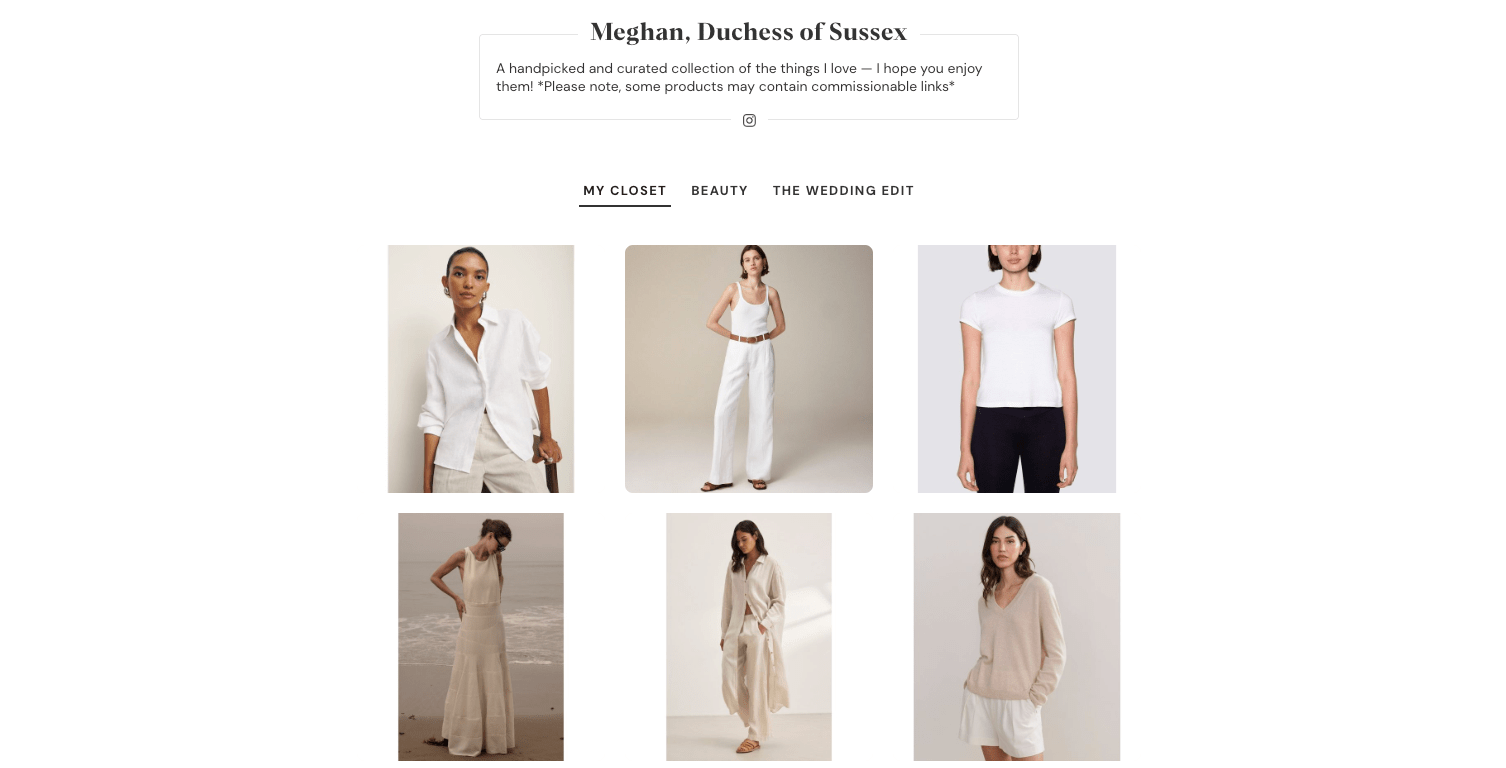
The Daily Mail article about Meghan’s business ventures contains numerous problematic elements that undermine its credibility and reveal troubling patterns in tabloid journalism. What is troubling is that first they harass her for not showing her kids and now they are after her for glimpses of her home life.

Here’s a breakdown of the major issues:

1. Reliance on Anonymous “Insiders”
The article repeatedly attributes inflammatory claims to unnamed “royal insiders” and “those in royal circles” without providing any way to verify these sources. These anonymous attributions include dramatic statements about Meghan’s personal motivations, such as:
- She “wants to be a billionaire”
- She was “shocked to realize Prince William and Kate would ultimately be in charge of her allowance”
- She is “craving fame and a jet-set billionaire lifestyle”
Without named sources willing to stand behind these claims, readers have no way to assess their reliability or potential biases.
2. Mind-Reading and Motive Attribution
The article presents speculation about Meghan’s private thoughts and motivations as if they were established facts:
- Claiming to know exactly why she left the royal family
- Asserting specific financial ambitions
- Describing emotional reactions (“shocked”) without evidence
- Presenting complex psychological narratives about jealousy and status
This type of mind-reading is fundamentally unethical journalism as it presents unprovable assertions about someone’s inner thoughts as factual reporting.
3. Loaded Language and Framing
The article employs emotionally charged language to frame Meghan’s business ventures negatively:
- Using terms like “cashing in” and “flogging” rather than neutral terms like “selling” or “launching”
- Describing business ventures as attempts to “fund their lavish lifestyle”
- Characterizing standard entrepreneurial activities as somehow improper
This framing establishes a negative lens before presenting any actual information.
4. Double Standards in Business Coverage
The article portrays business ambition as inherently problematic when it comes from Meghan:
- Many celebrities launch lifestyle brands, podcasts, and media ventures without similar criticism
- Male entrepreneurs with financial ambitions are typically praised for their vision rather than criticized
- Similar ventures by other royal-adjacent figures (like Princess Martha Louise of Norway or Zara Tindall) don’t receive comparable scrutiny
5. Lack of Business Context
The article fails to provide substantive analysis of the business ventures themselves:
- No discussion of market positioning or business strategy
- No expert analysis of business viability
- No exploration of comparable celebrity-founded businesses
- No mention of the significant charitable work the couple continues to engage in
6. Omission of Industry Standards
The article presents standard business practices as somehow scandalous:
- Affiliate marketing (through “ShopMy” links) is framed as inappropriate despite being a common business model
- Content creation related to personal expertise is portrayed as self-serving
- Standard promotional activities are characterized as excessive
7. Circular Reporting
The article references other tabloid reports as sources, creating a circular ecosystem of unverified claims that mutually reinforce each other without independent verification.
8. Lack of Balance
The piece makes little attempt to present alternative perspectives:
- No quotes from supporters or neutral business analysts
- No consideration of legitimate reasons for their business ventures
- No context about the financial needs of security and staff for high-profile figures
9. Invasion of Privacy
The article criticizes Meghan for allegedly using her children to promote business ventures, while simultaneously publishing multiple comments about those same children – effectively using them to drive tabloid traffic.
10. False Premises
The article operates from several questionable assumptions:
- That royal family members shouldn’t engage in business (despite many doing so)
- That financial independence is somehow a negative goal
- That pursuing business success indicates improper motivations
This type of tabloid coverage reveals more about media bias and the profitable nature of negative coverage than it does about the subject of the reporting. By publishing speculative, anonymous claims under the guise of reporting, such articles can shape public perception without meeting basic journalistic standards for verification and fairness.
 celebchai.com
One thought on “A Critical Analysis of the Daily Mail Article on Meghan Sussex: A Woman with a Global Platform Audaciously Builds Businesses, Royal Experts ‘Shocked’ She Prefers Financial Independence Over Allowance Controlled by In-Laws”