The Spokesperson Speaks: Wakeford’s Defection and the Limits of Anonymous Source Journalism

The Sussex camp responded to media criticism by highlighting the lack of editorial oversight in a recent Newsweek piece by Jack Royston, which questioned their narrative. The spokesperson emphasized the structural flaws in reporting, aiming to challenge the credibility of anonymous sources and signal the end of their relationship with former ally Wakeford, now a newsletter editor. Continue reading The Spokesperson Speaks: Wakeford’s Defection and the Limits of Anonymous Source Journalism

The Eight Day Receipts: Mapping a Coordinated Sussex Finance Cycle

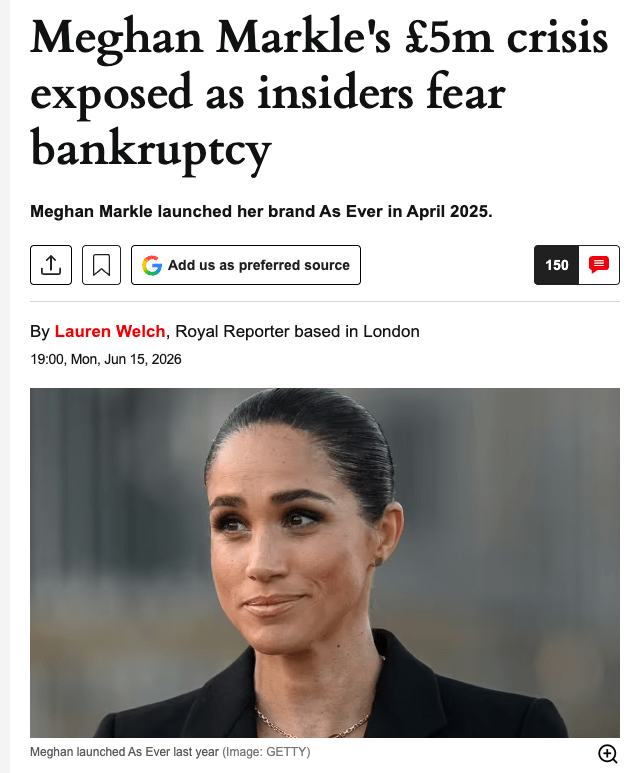
Between May 1 and May 8, 2026, British media displayed a notable pattern in coverage about the Sussexes’ financial troubles, largely sourced from a single insider. This contrasted with underreported financial transparency regarding Prince William’s tax obligations, illustrating selective journalistic focus that raises questions about objectivity in royal reporting. Continue reading The Eight Day Receipts: Mapping a Coordinated Sussex Finance Cycle

The Frame Flip: How “She Wanted Out” Hides “He Wanted Control”

The piece critiques the narrative surrounding Meghan Markle’s departure from the royal family, arguing that it obscures Prince William’s desire for control over financial arrangements affecting Harry and Meghan. It emphasizes that Meghan’s choice was a rational response to an unequal power dynamic rather than a calculated pursuit of money. Continue reading The Frame Flip: How “She Wanted Out” Hides “He Wanted Control”

Narrative Without Evidence: How Media Framing and Comments Distort Reality

The critique of “table-style” celebrity reporting, exemplified by The Daily Beast’s coverage of Meghan Markle, highlights a lack of independent verification in journalism. It shows that repetitive, anonymous sourcing often creates an illusion of corroboration, leading to misinterpretations and emotionally charged narratives that lack solid evidentiary foundations. Continue reading Narrative Without Evidence: How Media Framing and Comments Distort Reality

The Machine Runs Itself: Daily Mail’s Sussex Coverage as Case Study in Media Architecture

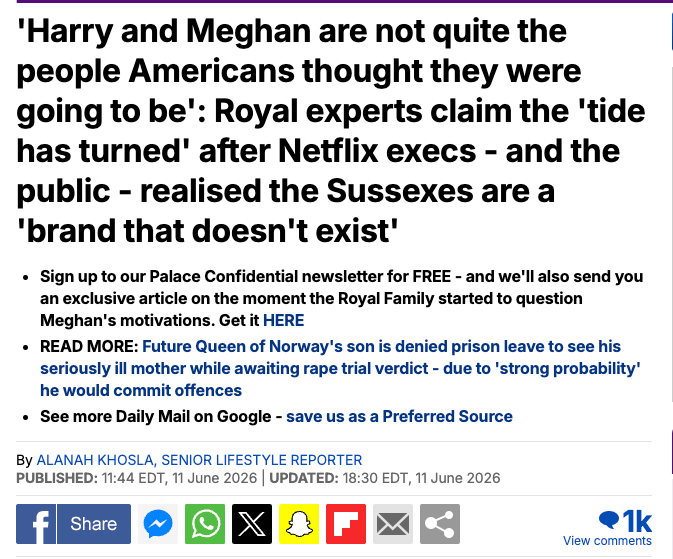
Between late March and April 19, 2026, the Daily Mail published around 70 articles on Prince Harry and Meghan Markle’s trip to Australia, contrasting sharply with just three on Prince Andrew’s Epstein ties. This disparity illustrates how tabloid media amplifies certain narratives while suppressing others, ultimately serving institutional interests and generating engagement. Continue reading The Machine Runs Itself: Daily Mail’s Sussex Coverage as Case Study in Media Architecture

Double Strike: Larman’s Sequential Delegitimization Framework

Alexander Larman published two pieces in The Spectator on the Sussexes’ Australia tour, attacking its dignity and Meghan’s character. The first piece criticizes the tour’s commercial motives, while the second questions Meghan’s authenticity. Together, they exemplify a strategic delegitimization process, positioning both the event and the individual as indefensible. Continue reading Double Strike: Larman’s Sequential Delegitimization Framework

The Architecture of Delegitimization: Larman’s Spectator Framework and the Sussex Dignity Clausula

The term “clausula” refers to the impactful concluding phrases in rhetoric, emphasizing memorable endings. Alexander Larman’s article explores the delegitimization of the Sussexes through rhetoric, illustrating how language shapes public perception. It contrasts their commercial motivations with the dignity associated with royal duties, framing their actions as lacking seriousness and purpose. Continue reading The Architecture of Delegitimization: Larman’s Spectator Framework and the Sussex Dignity Clausula

The Laundering Pipeline: How One Express Column Became a Multi-Outlet Narrative Attack on the Sussex Australia Tour

On April 14, 2026, coverage surrounding Harry and Meghan’s Australian visit quickly established a narrative framing them as exploitative and damaging to the monarchy. Drawing on incendiary language from a Daily Express column, subsequent articles reinforced this perspective, while omitting context about the couple’s charitable activities and media distortion. Continue reading The Laundering Pipeline: How One Express Column Became a Multi-Outlet Narrative Attack on the Sussex Australia Tour

GB News Called Them “Despised.” Hundreds of Australians Said Otherwise.

On the same day Prince Harry and Meghan visited Melbourne’s Royal Children’s Hospital warmly welcomed by families, a GB News panel inaccurately claimed they are “despised” by the public. This hostile rhetoric contrasts sharply with the positive reception observed, revealing a disconnect between media narratives and actual public sentiment towards the couple. Continue reading GB News Called Them “Despised.” Hundreds of Australians Said Otherwise.

A Single Day in the Anti-Sussex Content Factory

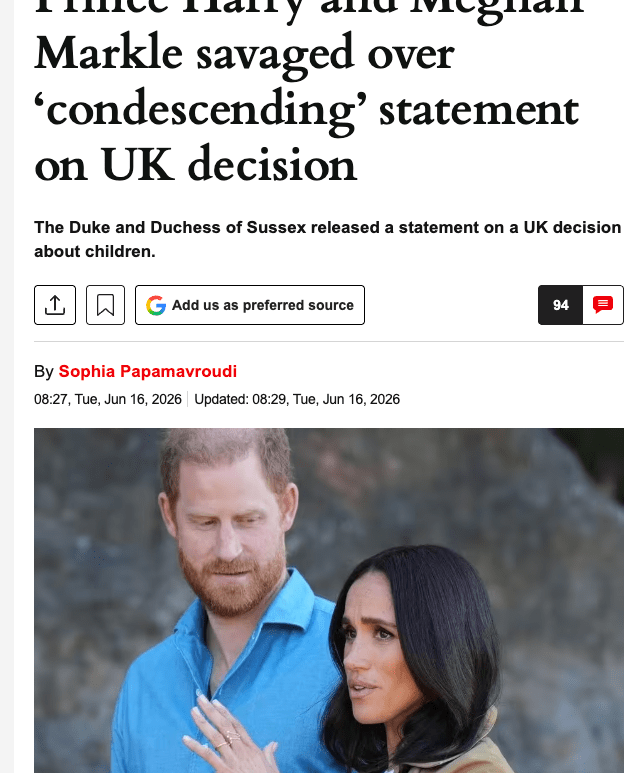
On March 20, 2026, The Telegraph reported that threats against Prince Harry necessitate security, while the Daily Express published articles framing him and Meghan Markle negatively. The Express’s sensational headlines and focus on public backlash highlight a media strategy that generates hostile sentiment, influencing public policy against the Sussexes. Continue reading A Single Day in the Anti-Sussex Content Factory