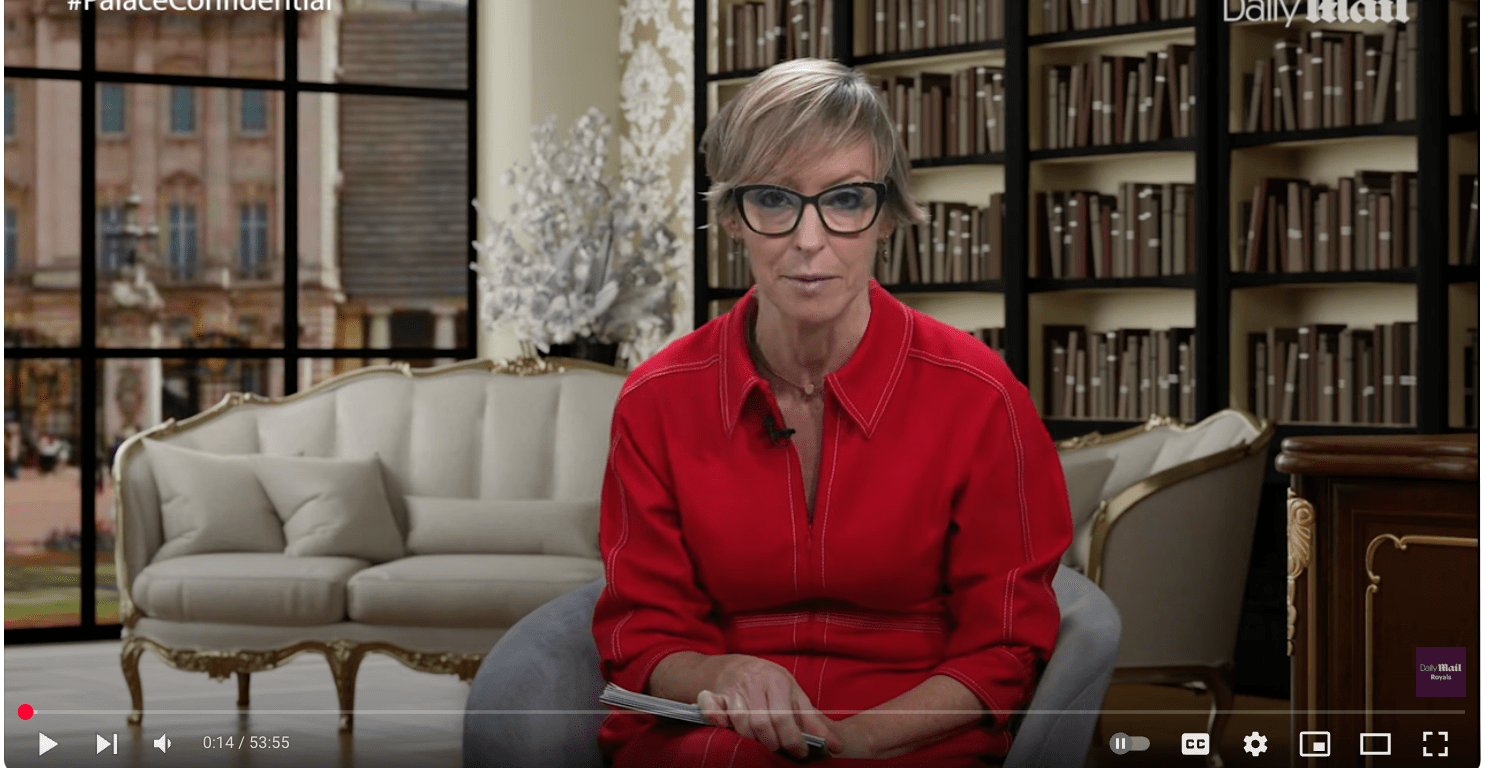
The recent Palace Confidential discussion on royal affairs presented several narratives that deserve closer scrutiny, particularly when additional information is considered. This analysis examines the key points discussed, identifying where context was missing and narratives were potentially misleading.
The Sentebale Dispute: What Palace Confidential Missed
The panel’s portrayal of Prince Harry’s resignation from Sentebale significantly mischaracterized the situation. According to the AP report, Harry and Prince Seeiso resigned in support of the trustees who had left after a dispute with chairperson Sophie Chandauka—not the other way around.
The critical context missing from the Palace Confidential discussion:
- The trustees had asked Chandauka to step down, and she refused
- Chandauka filed papers in a British court to prevent her removal
- Harry and Seeiso’s resignation was in support of the trustees
- Chandauka’s allegations of poor governance, bullying, harassment, sexism, and racism appear to be directed at the trustees, not at Harry himself
- Trustee Kelello Lerotholi told Sky News that Chandauka’s allegations were “surprising” and “there was never even a hint” of misconduct
This presents a fundamentally different dynamic than what was implied in the discussion. Rather than Harry being directly accused of misconduct, he appears to be taking sides in a leadership dispute. The panel’s framing of this as “catastrophic” for Harry personally and their emphasis on the supposed irony of him facing racism accusations misconstrues the actual situation.
The discussion also glossed over the reported disagreement about the future direction of the charity, which may be the substantive issue at the heart of the dispute rather than allegations of misconduct.
Catherine’s Health: Selective Privacy Standards
The Palace Confidential panel’s discussion of Catherine’s year of cancer treatment highlighted the carefully managed nature of her health communications. The panel praised her personal control over messaging but failed to examine the broader implications of selective privacy.
While Catherine absolutely deserves privacy regarding her health, the discussion showcased a double standard in royal coverage. The same media entities that demand extensive transparency from some royals (particularly the Sussexes) become fierce defenders of privacy for others.
This inconsistency seems particularly noteworthy given the panel’s mention of “Russian bots” allegedly spreading disinformation about Catherine’s health—a claim presented without evidence or context. The suggestion that her video was partially motivated by combating this alleged disinformation raises questions about using health information strategically while simultaneously claiming privacy.
William’s Diplomatic Role: Questions of Qualification
The glowing assessment of Prince William’s Estonia trip as significant “hard diplomacy” overlooked important questions about his qualifications for such sensitive geopolitical work. The panel emphasized the symbolic message of William being “in Putin’s backyard,” but didn’t address whether a royal family member with limited diplomatic training should be engaging in what amounts to military signaling during a tense geopolitical period.
While royal visits have long been used as diplomatic tools, the panel’s uncritical celebration of this particular mission—situated near the Russian border amid ongoing tensions—deserved more nuanced analysis regarding the appropriate role of monarchy in modern international relations.
Meghan’s Business Ventures: Market Reality vs. Media Perception
The panel’s dismissive treatment of Meghan’s new commercial ventures stands in stark contrast to market realities. While they questioned her “entrepreneur” status and mocked her affiliate marketing approach, they ignored evidence of her significant market influence:
- Bleusalt T-shirts selling 300 units in a day
- La Ligne jeans moving 500 pairs in two weeks
- Waitlists 1,000 deep for featured dresses
- Multiple sold-out items across price points
Industry figures describing Meghan as being “in a league of her own” for fashion influence suggest the panel’s analysis was driven more by personal bias than business reality. The renewal of her Netflix show for a second season—a clear marker of commercial success—was similarly unacknowledged. The British media even made up a feud.
The discussion also featured curious inconsistencies, such as criticizing Meghan’s business activities while overlooking the commercial endeavors of other royals and royal-adjacent figures, including some panel members themselves who have monetized their royal connections through books and media appearances.
Significant Omissions
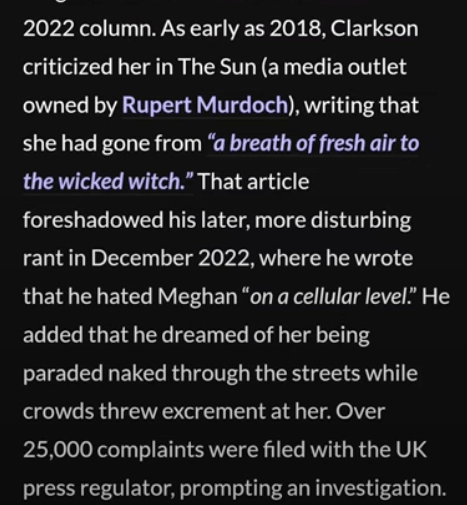
Notably absent from the discussion was any mention of Prince William’s association with Jeremy Clarkson, despite Clarkson’s history of writing violently misogynistic comments about Meghan that were widely condemned. This selective scrutiny—intensive examination of Harry and Meghan’s every move while overlooking potentially problematic choices by other royals—reveals a fundamental imbalance in coverage.
Conclusion: The Need for Balanced Royal Analysis
The Palace Confidential discussion demonstrates how royal coverage often suffers from:
- Selective contextualization that shapes narratives in favor of certain royals
- Inconsistent standards of privacy and scrutiny
- Omission of key facts that might contradict preferred narratives
- Uncritical acceptance of palace-adjacent sources
- Double standards in assessing similar behaviors across different family members
For viewers seeking to understand royal affairs, it’s essential to seek diverse perspectives and maintain awareness of these potential biases. True royal analysis requires examining uncomfortable questions about all members of the family, recognizing successes wherever they occur, and applying consistent standards across the board.
The significant gap between the Palace Confidential portrayal of the Sentebale situation and the AP’s reporting serves as a case study in how royal narratives can be shaped to fit predetermined perspectives rather than reflecting the full complexity of the situations being discussed.
 celebchai.com