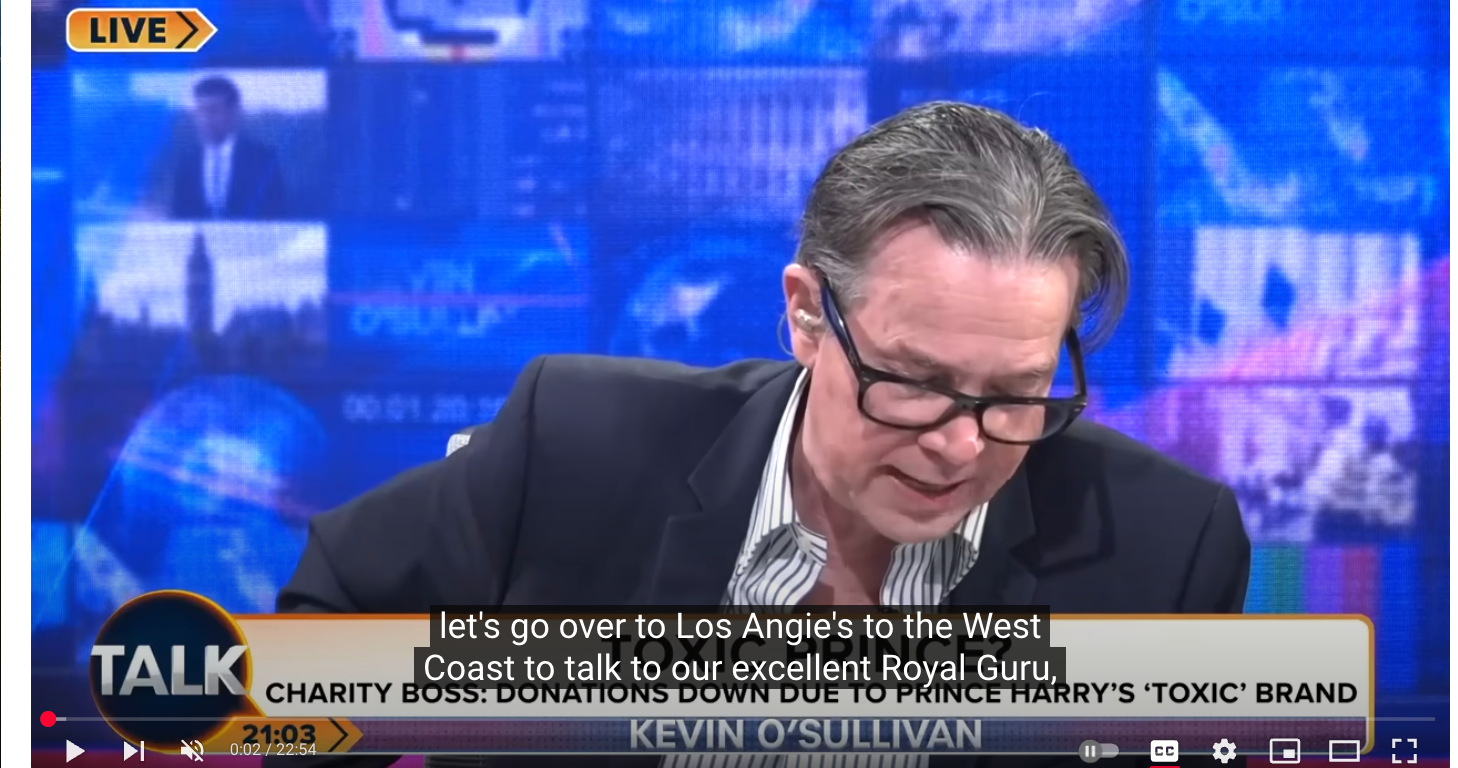
Sentebale, once hailed as Prince Harry’s most heartfelt charitable endeavor, is now the battleground for a public power struggle. What began as a leadership shakeup has morphed into a bitter clash between the Duke of Sussex and Dr. Sophie Chandauka, the now-former chair of the organization. While headlines have focused on accusations of bullying and racism, insiders say the truth is far more complex—and inconvenient for Dr. Chandauka.
Appointed chairperson in 2023, Dr. Chandauka was expected to bring her high-profile corporate expertise to the board. With credentials that include JP Morgan and Meta, expectations were high. But by early 2024, significant questions were reportedly being raised by trustees and country directors over her financial management. According to internal sources, donor confidence had plummeted, sponsorships were falling through, and there were major concerns over transparency and governance practices under her leadership.
When Prince Harry and several long-standing trustees initiated a financial review, the situation escalated. Dr. Chandauka was asked to step down—but she refused. In the weeks that followed, she launched a public offensive, accusing Prince Harry of bullying, racism, and even “harassment at scale.” While the timing of her allegations drew international media attention, critics noted that her accusations came precisely as she was facing mounting pressure over her role in declining donations and failed event execution.
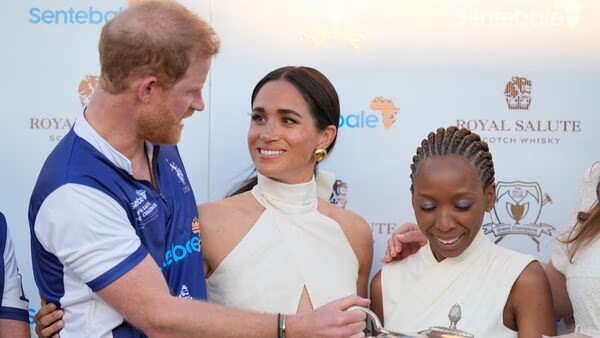
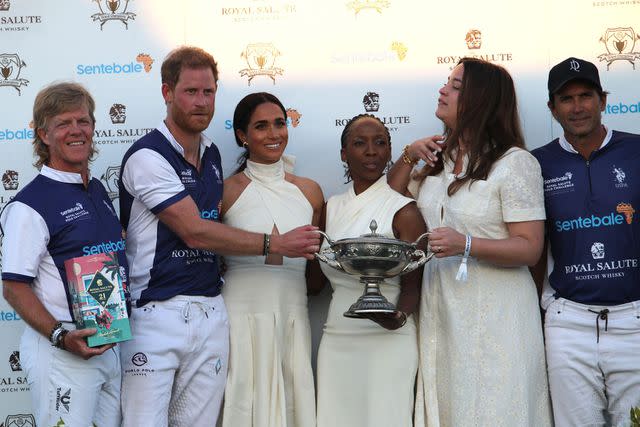
One of the most controversial episodes was a Miami polo fundraiser where Harry reportedly objected to Netflix filming without proper donor consent. Dr. Chandauka blamed him for sabotaging the event, yet internal planning documents suggest she had not properly coordinated the event logistics in advance, nor obtained venue approvals—a detail omitted from her public narrative.
Dr. Chandauka’s portrayal of herself as a whistleblower gained traction in some circles, particularly with her claims of “white saviorism” and her refusal to act as “an extension of the Sussex PR machine.” But many within the charity, especially African staff on the ground, say her tenure had become increasingly top-down and divisive. Longtime trustee Baroness Chalker described her leadership style as “dictatorial,” a statement criticized by some but echoed by those who had worked closely with her for years.
More telling is the response—or lack thereof—from donors. Since her public accusations against Harry, corporate backers have distanced themselves from Sentebale, reportedly over concerns about reputational risk and internal instability. Rather than focusing on recalibrating the charity’s mission, Dr. Chandauka has continued a public relations campaign positioning herself as a victim.
Meanwhile, Prince Harry, despite criticism over his commercial ventures, had continued his role as a patron with relatively little controversy until this point. His decision to back a financial audit of Sentebale—and insist on operational changes—may have prompted resistance, but insiders say it was rooted in the need for accountability, not optics.
This saga has now spiraled into a media war. Dr. Chandauka’s interviews, coupled with social media backlash against Harry and Meghan, have muddied the waters. But at the core remains a fundamental truth: a charity is only as strong as its leadership. When that leadership breaks down, especially under scrutiny, accusations often replace answers.
The real casualties? The children and families in Lesotho and Botswana who rely on Sentebale’s work. They’re now caught in the crossfire of a battle over ego, influence, and legacy.
Recall that Kate Middleton is the one that has trouble relaunching. The people who are bullies is Kate and William. Recall that William appeared on Jeremy Clarkson’s show that wrote horrible things about his sister in law. It is the tabloids controlled by the Royal Family that is wealthy.
 celebchai.com