From the moment Meghan stepped into the royal spotlight, the British press set their sights on her with unprecedented hostility. What began as thinly veiled racism has evolved into something far more sinister: open aggression directed not just at Meghan, but at her innocent children. The recent attack on three-year-old Princess Lilibet represents a new, disturbing low in an already shameful pattern of behavior.
A Toddler in the Crosshairs
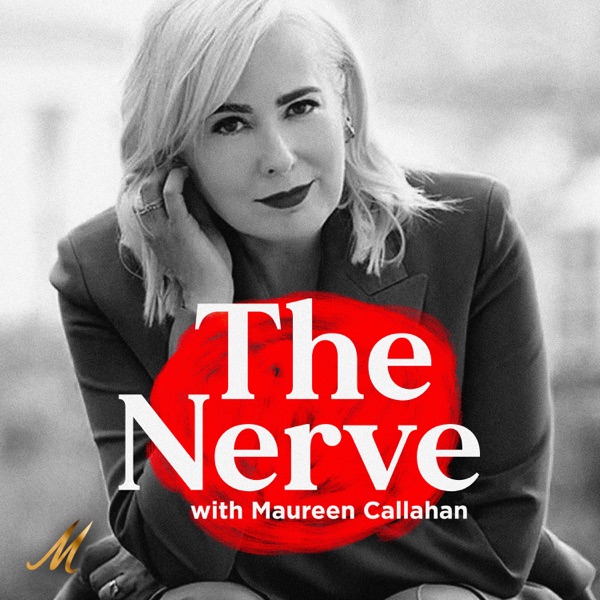
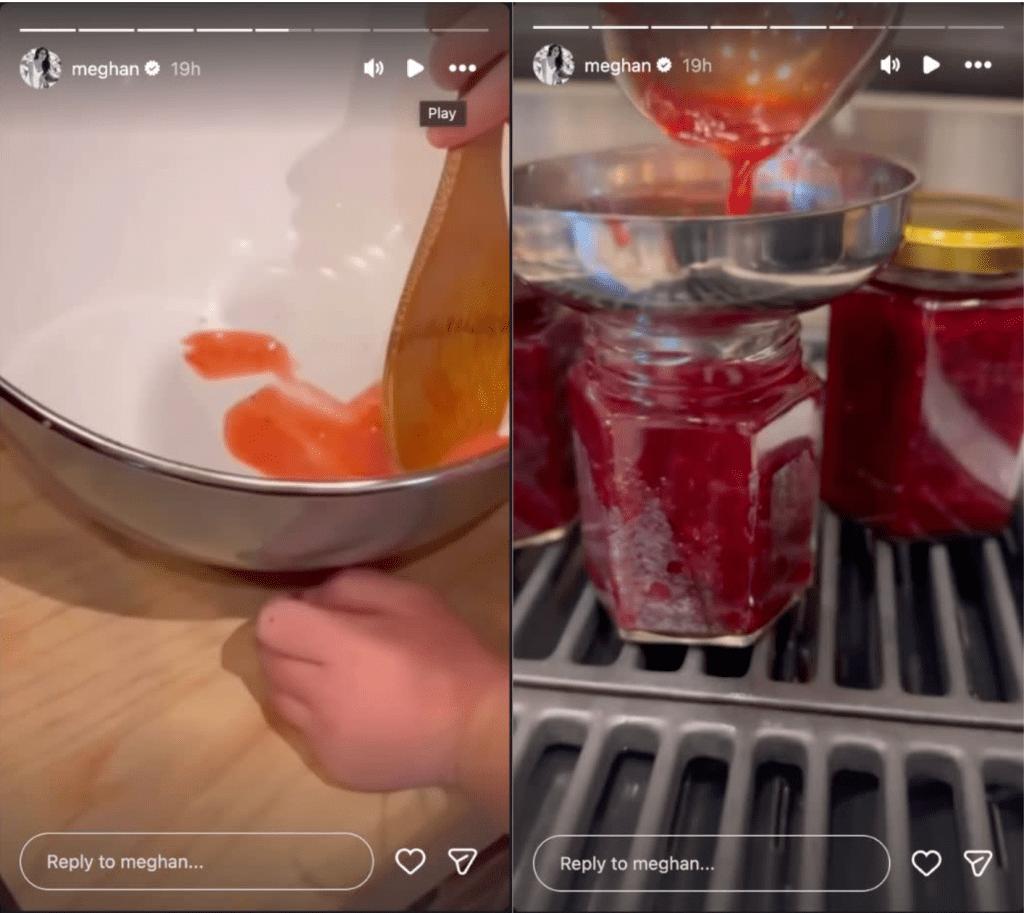
Daily Mail columnist Maureen Callahan, alongside royal commentator Angela Levin, recently took aim at Princess Lilibet after a heartwarming video showed the toddler making jam with her mother. Rather than seeing this for what it was—a tender moment between mother and child—these commentators launched into bizarre conspiracy theories, suggesting Meghan had somehow fabricated her daughter’s voice.
This accusation is as absurd as it is cruel. Levin herself had previously attributed enough maturity to the same three-year-old to “pack a suitcase and leave home,” yet now claims the child’s simple exclamation of “It’s beautiful” doesn’t sound authentic. The transparent hypocrisy would be laughable if it weren’t so disturbing.
Callahan’s commentary then descended into truly reprehensible territory. She speculated that Meghan writes public messages hoping her children will read them after her “untimely death”—grotesquely invoking Princess Diana’s tragedy as though fantasizing about another woman’s demise constitutes legitimate criticism. Most shocking was Callahan’s claim about Meghan’s children: “They hate her. They fucking hate her. They can’t get away fast enough.”
This isn’t journalism. It’s verbal abuse masquerading as commentary.
The Double Standard Is Impossible to Ignore
The stark contrast between media treatment of the Sussex and Wales children demolishes any pretense of journalistic objectivity. When Prince Louis sticks out his tongue, he’s “cheeky.” When Princess Charlotte corrects her brothers, she’s “poised.” Prince George receives glowing coverage about everything from his birthday smiles to his future kingship.
Meanwhile, Lilibet and Archie, though rarely seen in public, face relentless scrutiny. Their voices are questioned. Their titles are disputed. Some commentators refuse to call Lilibet by her princess title, use quotation marks around her name, or pretend not to know basic facts about her. Others have gone so far as to suggest she isn’t really Harry’s daughter.
This disparity isn’t coincidental—it’s systematic. It stems from deeply entrenched racism, misogyny, and colonialist attitudes about who belongs in royal spaces and who doesn’t.
Children Are Not Collateral Damage
Let’s be absolutely clear: children are not legitimate targets in media warfare. They are not public property. They deserve privacy, dignity, and protection regardless of who their parents are or what public opinions exist about them.
The commentators who’ve made attacking Meghan their business model—Maureen Callahan, Megyn Kelly, Angela Levin, Sharon Osbourne, Meghan McCain, and Vogue Williams, among others—have created a toxic ecosystem where no boundary seems too sacred to cross. Their hatred wears the mask of free speech, but when that freedom is weaponized against children, it ceases to be protected commentary and becomes something far more sinister.
Accountability Is Long Overdue
The institutions enabling this behavior—the Daily Mail, advertisers who fund such content, and regulatory bodies that refuse to intervene—are equally complicit. Their silence in the face of such flagrant ethical violations speaks volumes.
All children deserve the same respect and protection, regardless of their heritage or their mother’s willingness to challenge an institution that sought to silence her. Until we demand better from our media, we remain passive participants in this unconscionable campaign against innocent children who never asked for the spotlight—or the hatred it has brought them.
When commentators feel emboldened to attack a three-year-old child for saying “It’s beautiful” about jam she made with her mother, we must ask ourselves what kind of society we’ve become—and what kind of society we wish to be.
 celebchai.com