The latest reports from palace insiders claim that Queen Camilla will not “forgive easily” after Prince Harry’s memoir, Spare, labeled her as “dangerous” and “the villain.” But step back for a moment: who really holds the moral weight here? Is it Harry, who told his truth, or Camilla, who has spent decades reshaping her public image at the expense of others?

Harry has been clear from the beginning. He did not set out to seek revenge against his family. He wanted to correct the record. In his own words, Spare was not about “dirty laundry” but about “accountability.” He felt compelled to address the stories that had been spun by others and leaked to the press in ways that harmed him, Meghan, and the legacy of his mother, Princess Diana. Camilla, on the other hand, has been consistently accused by commentators and royal biographers of carefully feeding stories to the media to strengthen her position. That is not the behavior of a victim. It is the calculation of a seasoned player in the royal game.
The outrage at Harry for calling Camilla “the villain” ignores the context. To him, she was the “other woman,” the person who destabilized his parents’ marriage and then, in his telling, embarked on a campaign to marry Charles and secure the Crown. It is impossible to separate Harry’s perspective from his mother’s suffering. Diana herself warned that Camilla was part of the machinery that undermined her. For Harry, the scars are not hypothetical. They are lived experience.
Camilla’s refusal to forgive is telling. Forgiveness implies grace, compassion, and an ability to accept uncomfortable truths. Instead, the narrative from her camp is about being wounded, betrayed, and unwilling to move on. But is it not more damaging for a senior royal to hold on to grudges than for a son to speak honestly about his trauma? If the monarchy prides itself on dignity, why should Camilla be allowed to play the eternal victim while also wielding enormous influence?
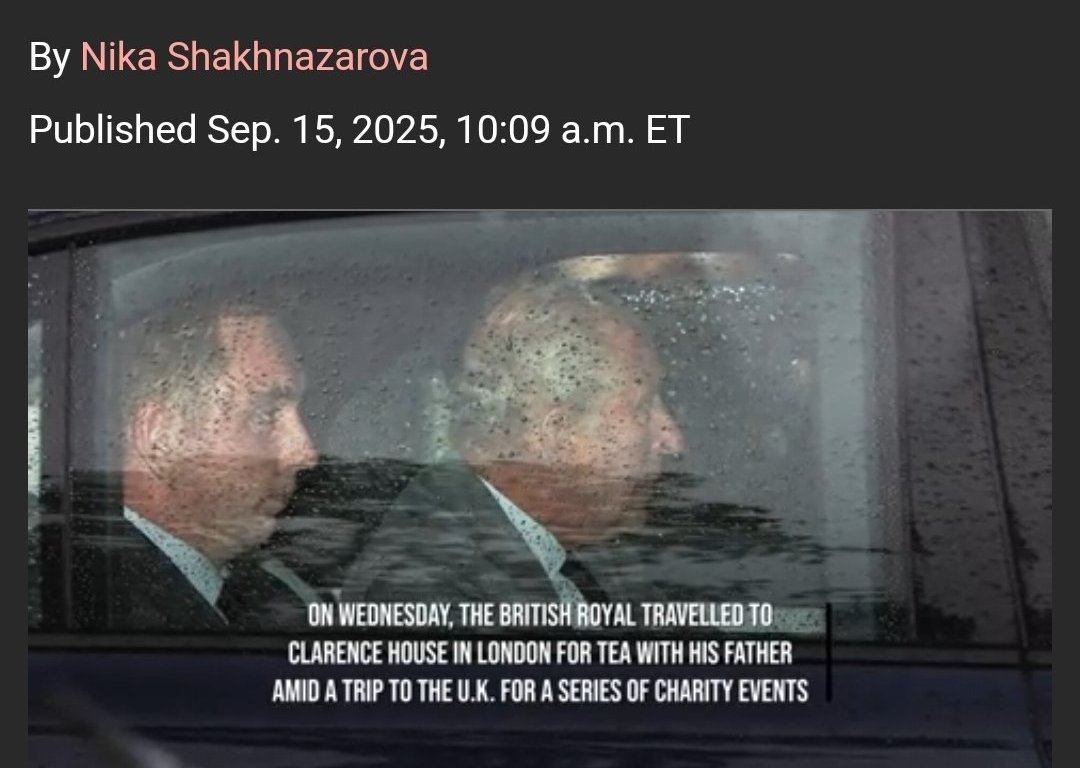
Harry has consistently said his conscience is clear. He is not asking for pity. He is asking for recognition of his side of the story. He met with King Charles in private last week, a sign that father and son can still find common ground. Yet Camilla is portrayed as the immovable obstacle, a woman whose memory is long and whose forgiveness is short. That dynamic echoes the way Diana’s supporters often described her: cold, calculating, and unwilling to yield.
For those quick to call Harry ungrateful or cruel, consider this. Silence in the face of manipulation is complicity. By speaking out, Harry has broken the cycle of deference that has kept the royal family’s darker truths hidden for generations. His courage may not win him universal popularity. It does, however, set him apart from those who prioritize image over honesty.
Camilla has long fought to sanitize her reputation. Harry’s words struck a nerve because they remind the world of what many have not forgotten. She was not always the queenly figure the press now portrays. By calling her “dangerous,” Harry forced a conversation that many in Britain would prefer to bury.
The monarchy thrives on the myth of unity. But unity built on silencing dissent is brittle. Camilla’s inability to forgive Harry says more about her than about him. In a family where silence has long been weaponized, Harry chose speech. For that, he should be supported, not vilified.
Prince Harry’s meeting with King Charles was a breakthrough, yet William remains unmoved. The Prince of Wales cannot forgive what he sees as the loss of a partner in duty. But Harry has built his own path of service, reminding the world that public duty can exist beyond palace walls.

 celebchai.com