US Consumer set to lose the most.

Retaliatory Tariffs from Canada and Mexico: Things that will cost more

In response to President Trump’s tariffs on goods from Mexico, Canada, and China, each country took swift and strategic actions, imposing their own retaliatory measures, with varying levels of intensity and focus. Below is a detailed breakdown of each country’s response:

1. Mexico’s Response:

President Claudia Sheinbaum of Mexico swiftly responded to the tariffs imposed by President Trump. She announced retaliatory tariffs targeting a variety of U.S. goods, including agricultural products such as pork, apples, and cheese, products that have significant relevance to U.S. agricultural states. Additionally, Mexico imposed tariffs on steel and aluminum, with the goal of protecting its industries and challenging the U.S. action at the World Trade Organization (WTO).

President Sheinbaum emphasized that Mexico would not tolerate the accusations of ties to criminal organizations and interference in its sovereignty. She also stated that the U.S. could address its fentanyl crisis more effectively by cracking down on domestic illegal activities rather than blaming foreign countries.

2. Canada’s Response:

Prime Minister Justin Trudeau of Canada immediately voiced his opposition to the U.S. tariffs, announcing that Canada would implement matching retaliatory tariffs on $155 billion worth of U.S. imports. These tariffs specifically targeted American agricultural products like pork and fruit, as well as beer and whiskey, products that directly challenge U.S. exports to Canada. Trudeau framed the tariffs as an essential move to defend Canadian interests and expressed frustration at the unilateral nature of the U.S. action.

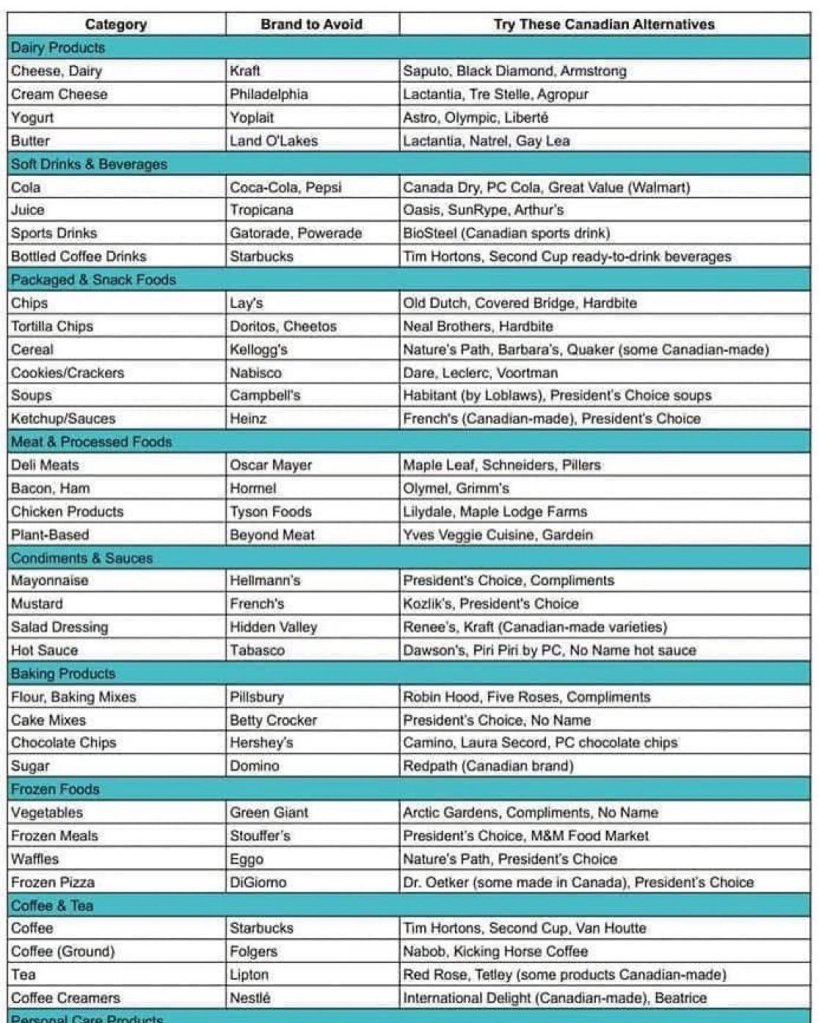
Trudeau also appealed to Canadian nationalism, encouraging Canadians to choose local products over U.S. imports. This move was part of a broader strategy to defend Canada’s economy while navigating the diplomatic strain with its southern neighbor.
The Trade War Escalates: How Canada, Mexico, and China Responded to Trump’s Tariffs
On February 1, 2025, President Donald Trump signed a series of tariffs aimed at Mexico, Canada, and China, setting the stage for a fresh trade war with the U.S.'s three largest trading partners. These tariffs, which were framed as a national emergency response to issues like fentanyl trafficking and illegal immigration, are stirring up economic tensions that could have serious ripple effects across the globe. So, how have Mexico, Canada, and China responded to this move, and who stands to be hurt the most?

1. Mexico’s Response:
President Claudia Sheinbaum of Mexico didn’t hesitate to fire back at the U.S. tariffs. She immediately ordered retaliatory tariffs on American products in an effort to protect Mexico's economy. The Mexican government hit a range of U.S. goods, including agricultural products like pork, cheese, and apples, as well as steel and aluminum—both sectors that are crucial for U.S. exports.

Sheinbaum was clear in her message: Mexico would defend its interests and would not accept unfounded claims by the U.S. about Mexican involvement in drug trafficking. She pointed out that the U.S. should focus on addressing its internal problems—like the illegal drug trade and money laundering—rather than blaming other nations. Mexico's retaliation was both a political and economic signal that it would not be pushed around, and it was ready to stand firm in the face of U.S. pressure.

2. Canada’s Response:
Prime Minister Justin Trudeau swiftly condemned the U.S. tariffs and announced a matching response—25% tariffs on $155 billion of U.S. imports. Trudeau’s retaliatory tariffs targeted products like pork, fruits, and beer, hitting areas that American consumers rely on heavily.

In his address, Trudeau appealed to Canadian national pride, asking Canadians to support local businesses by choosing Canadian products over U.S. imports. He emphasized that Canada would not back down from its stance against what it saw as unilateral U.S. protectionism. The tariffs were a direct response to the U.S.’s economic aggression and an attempt to defend Canada's economic interests within the framework of the USMCA (United States-Mexico-Canada Agreement).

Trudeau also made it clear that these tariffs were not about escalating conflict but about protecting Canadian jobs and industries. In a deeply political move, he called for unity and resilience in the face of these trade disruptions.

3. China’s Response:
China has been more reserved in its initial response to Trump’s tariffs, but it didn’t stay silent for long. China retaliated by imposing tariffs on $60 billion worth of U.S. goods, including soybeans, pork, and automobiles—sectors where U.S. exporters had long enjoyed access to Chinese markets.

The Chinese government framed its tariffs as a necessary response to U.S. trade protectionism. While China expressed interest in continuing negotiations, it also made it clear that it would pursue other markets and reduce its reliance on U.S. imports, shifting its focus to other global economies. China’s growing power in international trade means it can afford to explore new partnerships, making it less dependent on the U.S. over time.

As for U.S. farmers, China’s tariffs on soybeans particularly hurt Midwestern states, which rely heavily on the Chinese market. The loss of China as a key importer has forced U.S. farmers to look for new buyers, with mixed results.

Who Will Be Hurt the Most?
1. U.S. Consumers:

Ultimately, U.S. consumers are likely to bear the biggest brunt of the trade war. As tariffs are imposed on goods imported from Mexico, Canada, and China, prices on everyday products are expected to rise. Food prices will see an uptick, with fruits and vegetables from Mexico and Canada, along with meats, becoming more expensive. The auto industry will also be affected, with higher car prices as tariffs hit parts and vehicles imported from Mexico and Canada.

In short, the cost of living for American families is set to increase across a wide range of essential goods, especially for those who rely on the imports from these countries. The tariffs create an inflationary pressure, which could further challenge the economic stability of working-class and middle-class families already grappling with high prices.

2. U.S. Farmers and Agricultural Producers:

The U.S. agricultural sector is already feeling the pain from these tariffs. Mexico’s tariffs on pork, and China’s tariffs on soybeans, hit U.S. farmers hard, especially those in rural states that supported Trump in the past. U.S. farmers have lost export markets in China and Mexico, two of the largest buyers of U.S. agricultural products.

China’s shift to Brazilian soybeans and Mexico’s decreased demand for U.S. pork leaves U.S. farmers without the sales they depend on, leading to losses in revenue and economic uncertainty in agricultural communities. The trade war risks undermining the U.S. agricultural economy in the long term.

3. U.S. Manufacturers:

U.S. manufacturers, particularly those in the automotive and electronics sectors, will also feel the strain from higher raw material costs. Steel and aluminum tariffs impact industries that rely on these materials for production. Car manufacturers, for example, who depend on Mexico’s cheap labor and Canada’s steel for affordable parts, will face higher costs. This will make U.S. vehicles more expensive, potentially reducing demand both domestically and abroad.

Electronics manufacturers who import parts from China will also experience higher production costs, resulting in price increases for items like smartphones, laptops, and televisions.

4. Global Trade:

On a larger scale, the global economy stands to lose, too. China, Mexico, and Canada are all integral parts of the global supply chain. As each of these countries retaliates, the disruption of global trade flows could lead to economic stagnation, higher global prices, and job losses in industries that depend on a stable international marketplace. The continued escalation of tariffs could result in slower economic growth and a reduction in international investment as businesses fear the long-term effects of a fragmented global trade environment.

Conclusion:
While President Trump’s tariffs were intended to protect U.S. industries and reduce trade imbalances, they may end up hurting the American consumer the most. From higher grocery bills to rising car prices, the cost of living for U.S. households will increase, making life more expensive for families already struggling with inflation. Meanwhile, U.S. farmers and manufacturers are caught in the crossfire, facing lost markets and increased production costs.

For Mexico, Canada, and China, the tariffs are a blow to longstanding trade relationships, but they are responding with strategic countermeasures. Mexico and Canada are retaliating with tariffs that affect key U.S. exports, and China is shifting away from U.S. imports while bolstering its global economic standing.

In the end, the trade war could result in a lost decade for global trade, where consumers, farmers, and businesses all face the repercussions of protectionist policies. While it’s uncertain if Trump’s tariffs will achieve their desired outcomes, one thing is clear: the economic consequences will be far-reaching.

3. China’s Response:

China has been relatively more reserved in its immediate response compared to Mexico and Canada. Nevertheless, it imposed its own retaliatory tariffs on $60 billion worth of U.S. products, including soybeans, pork, and automobiles, all vital sectors for U.S. farmers and manufacturers. China, a major buyer of U.S. agricultural products, significantly hurt American exporters by seeking to diversify its sources for these goods.

In addition to these tariffs, China positioned itself as a defender of free trade, reiterating its commitment to market reform while pushing back on what it considered to be unfair protectionist policies from the U.S. Beijing is also expected to leverage its growing economic influence in regions like Africa and Europe to reduce dependency on the U.S. for key imports.


Who Will Hurt the Most in This Trade War?

1. U.S. Consumers:

The biggest losers in this trade war will likely be U.S. consumers. Increased tariffs on imports from Mexico, Canada, and China will raise the prices of everyday goods. For instance:

  • Food products such as fruits, vegetables, and meats from Mexico and Canada are expected to become significantly more expensive.
  • Car prices will rise, as automobile parts and vehicles from Mexico and Canada are taxed, adding to production costs for U.S. automakers.
  • Energy prices may increase as well, with tariffs on Canadian oil possibly leading to higher gasoline costs, particularly in the Midwest.

These price hikes will directly impact households, particularly those in middle-class and working-class demographics, who are already feeling the pressure from ongoing inflation.

2. U.S. Agricultural Producers:

While the intent of the tariffs was to protect U.S. industries, the agriculture sector will likely suffer the most. U.S. farmers, particularly those in rural areas and swing states that supported Trump, are being hit by retaliatory tariffs on soybeans, pork, cheese, and fruit. In particular, China’s tariffs on soybeans have deprived American farmers of a critical export market, forcing them to look for new buyers—though many countries have already turned to competitors like Brazil.

3. U.S. Manufacturers:

The manufacturing sector will also face significant challenges due to tariffs on raw materials such as steel, aluminum, and automobile parts. While U.S. steel producers may see some benefit, industries that rely on affordable steel imports, such as automotive manufacturing and construction, will face rising production costs. This could lead to higher prices for U.S. consumers while also making American manufacturers less competitive globally.

4. Global Trade and the Global Economy:

While the immediate impact will be felt most in the U.S., the global economy stands to lose as well. As Mexico, Canada, and China retaliate with tariffs of their own, the flow of goods and capital across borders will be disrupted. This trade war risks slowing economic growth not only in the U.S. but in other countries that depend on stable and predictable trade relationships.

The broader international supply chain will be affected, especially in industries like electronics, automobiles, and agriculture, where global networks of production, assembly, and distribution are essential. As these countries adjust their sourcing and find alternative markets, global prices for goods like soybeans, beer, and steel could be impacted.


Conclusion:

The trade war between the U.S. and its major trading partners, including Mexico, Canada, and China, is set to have wide-ranging consequences. While each country has retaliated with targeted tariffs aimed at U.S. exports, the true toll of these policies will be borne by U.S. consumers. Price increases across key sectors such as agriculture, automobiles, and energy will likely create a financial burden on households, particularly in rural areas that supported Trump.

Meanwhile, U.S. agricultural producers and manufacturers will bear the brunt of the lost market access and rising costs, while global trade faces the prospect of further disruption. Ultimately, the damage from this trade war is far-reaching, and whether it achieves its intended political and economic goals remains uncertain.

2 thoughts on “Retaliatory Tariffs from Canada and Mexico: Things that will cost more

  1. Hi
    Good post
    Great breakdown of the responses from Mexico, Canada, and China to President Trump’s tariffs. It’s important to see how each country is strategically navigating this situation.
    Cheers!
    Scott Dubois
    Civic Edge Lifestyle

    The secret to generating income online is all about generating leads. Get your first 100 buyer leads in the next 10 minutes by Clicking Right Here https://llclickpro.com/66b3kcwy/

    Like

Leave a comment