
The legal battle between Blake Lively and Justin Baldoni is not just a dispute between two Hollywood figures—it is an intricate case that sheds light on the dynamics of power, manipulation, and reputation management in the entertainment industry. At its core, the lawsuit reflects a pattern frequently seen in cases of narcissistic abuse: an initial phase of admiration and collaboration followed by coercion, control, and, ultimately, a retaliatory smear campaign when the victim resists. If the allegations are proven true, this case could serve as a textbook example of how individuals in positions of power weaponize influence and public perception to maintain control over their narrative.
https://www.facebook.com/share/v/15r5gj8r7Y/?mibextid=wwXIfr
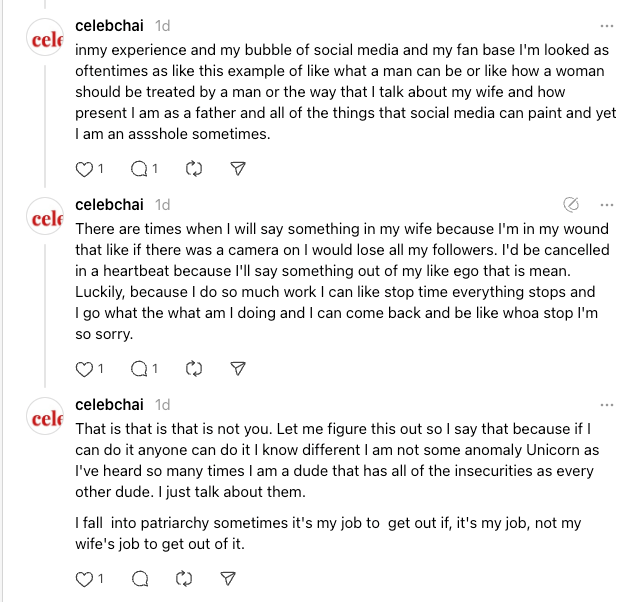
The alleged events mirror the classic cycle of narcissistic abuse, which typically unfolds in three stages. The first stage—idealization—often involves excessive praise, attention, or flattery, drawing the victim into a false sense of security. In Lively’s case, this could have been the early days of her professional collaboration with Baldoni, where creative discussions and project development may have fostered an atmosphere of mutual respect. However, the situation allegedly soured once Lively began pushing back against Baldoni’s decisions. This shift leads to the second stage—devaluation—where the abuser begins undermining the victim, questioning their abilities, and dismissing their concerns. The final stage—discard and retaliation—comes when the victim refuses to be controlled, prompting the abuser to escalate their behavior, often resorting to smear campaigns, gaslighting, and public manipulation.
The lawsuit alleges that Baldoni and his team engaged in “astroturfing,” a coordinated effort to fabricate public sentiment against Lively by manipulating social media, press coverage, and industry narratives. If true, this strategy is especially concerning because it demonstrates the power of misinformation in today’s digital landscape. By using fake accounts, PR firms, and carefully curated leaks, a single entity can create the illusion of widespread public disapproval, ultimately pressuring a victim into silence or compliance. This tactic is not just used in Hollywood—it is prevalent in corporate disputes, politics, and even personal relationships where one party seeks to control how the other is perceived. Baldoni’s other issues.
Baldoni’s countersuit against Lively and her husband, Ryan Reynolds, for $400 million in damages further highlights how litigation itself can be used as a tool of intimidation. Lawsuits of this scale are often less about financial restitution and more about exhausting the opposing party’s resources, damaging their reputation, and forcing them into a settlement out of fear of prolonged legal battles. In this case, Baldoni’s legal strategy could be interpreted as an attempt to shift the narrative from his alleged wrongdoing to a counter-accusation of defamation and extortion. His lawyer, Bryan Freedman, has taken an aggressive public stance, leaking alleged “receipts” in the form of messages and audio recordings in an attempt to discredit Lively’s claims.
However, the judge’s order to restrict public commentary suggests an acknowledgment of the potential for media influence on jury perception. By enforcing federal court rules that prohibit statements that could prejudice the case, U.S. District Judge Lewis Liman appears to be aware of how this trial is being played out not just in the courtroom, but in the court of public opinion. This move is significant because it signals a judicial recognition of the dangers of high-profile cases being tainted by external media campaigns, a phenomenon that has become increasingly common in the digital age.
Beyond the immediate legal implications, this case also reflects broader systemic issues within the entertainment industry. Power imbalances between actors, producers, and directors are well-documented, and the allegations against Baldoni fit a disturbing pattern seen in previous Hollywood scandals. The #MeToo movement exposed how influential figures have historically used their power to control narratives, silence dissenters, and retaliate against those who speak out. If Lively’s claims hold up in court, this case could serve as yet another example of how professional relationships in Hollywood can become entangled in coercion and retribution.
Furthermore, the involvement of Ryan Reynolds in the countersuit complicates the matter. As a major Hollywood figure himself, Reynolds brings additional media attention to the case. Whether his inclusion in the lawsuit is justified or simply a strategic move to exert pressure on Lively remains to be seen. The claim that Reynolds and Lively sought to “wrest control” of the film’s post-production process suggests a struggle over creative direction—another common source of conflict in the industry. It raises questions about how artistic disagreements escalate into full-blown legal battles when power dynamics and reputations are at stake.
Another significant aspect of this case is its potential to set legal precedents regarding media influence and digital smear campaigns. If Lively successfully proves that Baldoni’s team engaged in astroturfing, it could prompt stronger regulations on the use of fake social media campaigns to manipulate public perception. This would have implications beyond Hollywood, affecting industries where reputation warfare is a common strategy.
As the trial moves toward its scheduled date in March 2026, both sides are preparing for what promises to be an extensive discovery process. The judge has warned that he may accelerate the trial date if the media battle continues to escalate, suggesting an awareness that prolonged public discourse could impact the fairness of the proceedings. The legal teams on both sides appear determined, with Lively’s attorneys expressing confidence in their ability to hold the defendants accountable, while Baldoni’s camp continues to push back with counterclaims.
Ultimately, this case is about more than just two celebrities clashing in court. It highlights ways in which power, influence, and reputation management play a critical role in Hollywood disputes. It also underscores the dangers of digital manipulation and the lengths to which some individuals may go to protect their public image. Whether the court finds in favor of Lively or Baldoni, the outcome will likely have lasting repercussions—not just for those directly involved, but for how similar cases are handled in the future.
 celebchai.com