
In response to President Trump’s tariffs on goods from Mexico, Canada, and China, each country took swift and strategic actions, imposing their own retaliatory measures, with varying levels of intensity and focus. Below is a detailed breakdown of each country’s response:
1. Mexico’s Response:
President Claudia Sheinbaum of Mexico swiftly responded to the tariffs imposed by President Trump. She announced retaliatory tariffs targeting a variety of U.S. goods, including agricultural products such as pork, apples, and cheese, products that have significant relevance to U.S. agricultural states. Additionally, Mexico imposed tariffs on steel and aluminum, with the goal of protecting its industries and challenging the U.S. action at the World Trade Organization (WTO).
President Sheinbaum emphasized that Mexico would not tolerate the accusations of ties to criminal organizations and interference in its sovereignty. She also stated that the U.S. could address its fentanyl crisis more effectively by cracking down on domestic illegal activities rather than blaming foreign countries.
2. Canada’s Response:
Prime Minister Justin Trudeau of Canada immediately voiced his opposition to the U.S. tariffs, announcing that Canada would implement matching retaliatory tariffs on $155 billion worth of U.S. imports. These tariffs specifically targeted American agricultural products like pork and fruit, as well as beer and whiskey, products that directly challenge U.S. exports to Canada. Trudeau framed the tariffs as an essential move to defend Canadian interests and expressed frustration at the unilateral nature of the U.S. action.
Trudeau also appealed to Canadian nationalism, encouraging Canadians to choose local products over U.S. imports. This move was part of a broader strategy to defend Canada’s economy while navigating the diplomatic strain with its southern neighbor.
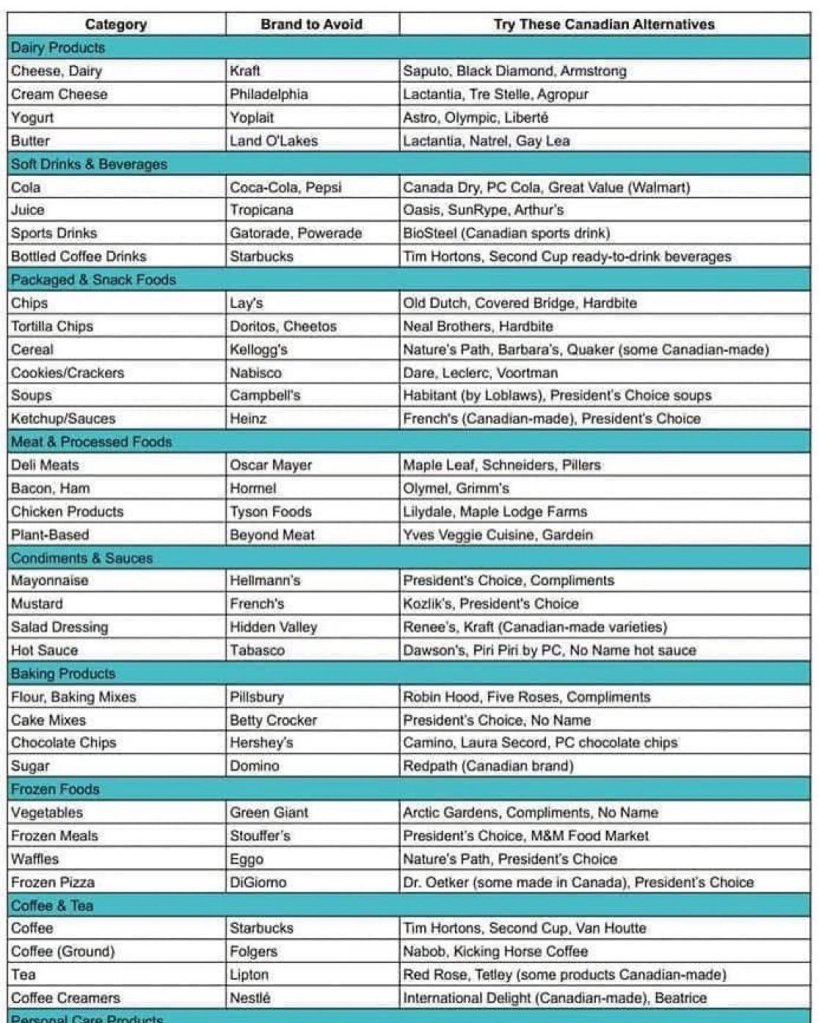
3. China’s Response:
China has been relatively more reserved in its immediate response compared to Mexico and Canada. Nevertheless, it imposed its own retaliatory tariffs on $60 billion worth of U.S. products, including soybeans, pork, and automobiles, all vital sectors for U.S. farmers and manufacturers. China, a major buyer of U.S. agricultural products, significantly hurt American exporters by seeking to diversify its sources for these goods.
In addition to these tariffs, China positioned itself as a defender of free trade, reiterating its commitment to market reform while pushing back on what it considered to be unfair protectionist policies from the U.S. Beijing is also expected to leverage its growing economic influence in regions like Africa and Europe to reduce dependency on the U.S. for key imports.
Who Will Hurt the Most in This Trade War?
1. U.S. Consumers:
The biggest losers in this trade war will likely be U.S. consumers. Increased tariffs on imports from Mexico, Canada, and China will raise the prices of everyday goods. For instance:
- Food products such as fruits, vegetables, and meats from Mexico and Canada are expected to become significantly more expensive.
- Car prices will rise, as automobile parts and vehicles from Mexico and Canada are taxed, adding to production costs for U.S. automakers.
- Energy prices may increase as well, with tariffs on Canadian oil possibly leading to higher gasoline costs, particularly in the Midwest.
These price hikes will directly impact households, particularly those in middle-class and working-class demographics, who are already feeling the pressure from ongoing inflation.
2. U.S. Agricultural Producers:
While the intent of the tariffs was to protect U.S. industries, the agriculture sector will likely suffer the most. U.S. farmers, particularly those in rural areas and swing states that supported Trump, are being hit by retaliatory tariffs on soybeans, pork, cheese, and fruit. In particular, China’s tariffs on soybeans have deprived American farmers of a critical export market, forcing them to look for new buyers—though many countries have already turned to competitors like Brazil.
3. U.S. Manufacturers:
The manufacturing sector will also face significant challenges due to tariffs on raw materials such as steel, aluminum, and automobile parts. While U.S. steel producers may see some benefit, industries that rely on affordable steel imports, such as automotive manufacturing and construction, will face rising production costs. This could lead to higher prices for U.S. consumers while also making American manufacturers less competitive globally.
4. Global Trade and the Global Economy:
While the immediate impact will be felt most in the U.S., the global economy stands to lose as well. As Mexico, Canada, and China retaliate with tariffs of their own, the flow of goods and capital across borders will be disrupted. This trade war risks slowing economic growth not only in the U.S. but in other countries that depend on stable and predictable trade relationships.
The broader international supply chain will be affected, especially in industries like electronics, automobiles, and agriculture, where global networks of production, assembly, and distribution are essential. As these countries adjust their sourcing and find alternative markets, global prices for goods like soybeans, beer, and steel could be impacted.
Conclusion:
The trade war between the U.S. and its major trading partners, including Mexico, Canada, and China, is set to have wide-ranging consequences. While each country has retaliated with targeted tariffs aimed at U.S. exports, the true toll of these policies will be borne by U.S. consumers. Price increases across key sectors such as agriculture, automobiles, and energy will likely create a financial burden on households, particularly in rural areas that supported Trump.
Meanwhile, U.S. agricultural producers and manufacturers will bear the brunt of the lost market access and rising costs, while global trade faces the prospect of further disruption. Ultimately, the damage from this trade war is far-reaching, and whether it achieves its intended political and economic goals remains uncertain.
 celebchai.com
Hi
Good post
Great breakdown of the responses from Mexico, Canada, and China to President Trump’s tariffs. It’s important to see how each country is strategically navigating this situation.
Cheers!
Scott Dubois
Civic Edge Lifestyle
The secret to generating income online is all about generating leads. Get your first 100 buyer leads in the next 10 minutes by Clicking Right Here https://llclickpro.com/66b3kcwy/
LikeLike